
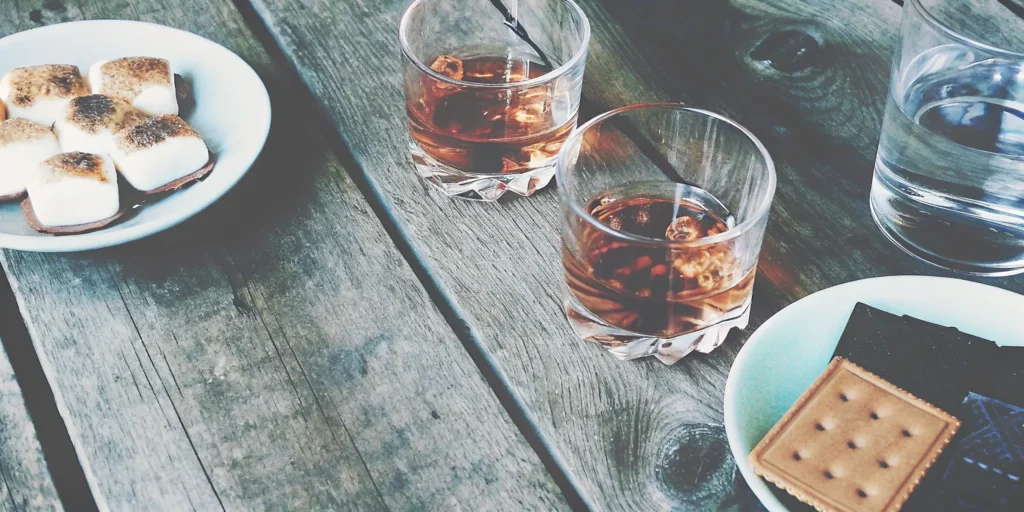
My first experience with whiskey involved a sip of something intensely smoky that made my eyes water. For years, I thought I just didn’t like it. Turns out, I was just drinking the wrong kind. There’s a whole world of whiskey that’s smooth and sweet, with delicious notes of caramel or vanilla. This guide is for anyone who’s been hesitant to give whiskey a try. We’ll skip the intimidating stuff and get right to the good part: finding the best sweet whiskey for you—approachable, delicious options perfect for beginners that you’ll actually look forward to sipping.
Key Takeaways
- Sweetness Comes from the Craft: A whiskey’s sweet notes often develop naturally from its ingredients and aging process. Look for spirits made with a high percentage of corn and aged in charred oak barrels to find those pleasant vanilla and caramel flavors.
- There’s No Wrong Way to Drink It: Forget the old-school rules about drinking whiskey neat. The best way to enjoy it is your way, so feel free to add ice, a splash of water, or your favorite mixer to create a drink you love.
- Start with Approachable Flavors: Begin your tasting journey with smoother, more familiar profiles like wheated bourbons or fun flavored whiskeys. Trying a few different styles is the quickest way to discover what you truly enjoy.
What Makes a Whiskey Sweet?
When you hear “sweet whiskey,” you might think of added sugars. While that’s true for flavored whiskeys like our own S’mores Whiskey, many traditional whiskeys have a natural sweetness that comes from the way they’re made. This flavor isn’t from a sugar bowl; it’s developed from the grains, the barrel, and the proof. Understanding these three elements is the key to finding a whiskey with the perfect touch of sweetness for your palate. Let’s look at what makes some whiskeys taste so pleasantly sweet.
The Science Behind Sweet Flavors
The sweetness in traditional whiskey is a bit of a magic trick—it’s created without adding any sugar. It all starts with the ingredients, particularly the grains. Whiskeys made with a lot of corn, like most bourbons, have a head start on sweetness because corn is naturally sugary. During fermentation and distillation, these sugars transform into compounds that our taste buds recognize as vanilla and caramel. But the real transformation happens inside the barrel. A whiskey gets up to 80% of its flavor from the charred oak barrel it ages in. This process coaxes out natural wood sugars, infusing the spirit with rich notes of toffee, honey, and spice, creating a smooth, mellow finish. Understanding this craftsmanship helps you appreciate the subtle sweetness in every sip.
Why Corn and Grains Make Whiskey Sweet
It all starts with the mash bill—the grain recipe used to make the whiskey. Grains like corn are naturally high in sugar, and when they’re the main ingredient, they create a distinctly sweet spirit. This is why bourbon, which must be made from at least 51% corn, is known for its sweet character. The corn provides a smooth base that other grains build upon. So, if you’re looking for a sweeter sip, a whiskey with a high-corn mash bill is a great place to start.
How Barrels Add Vanilla and Caramel Flavors
After distillation, the spirit goes into barrels to age, and this is where the magic happens. A whiskey’s sweetness comes from how it’s aged in charred oak barrels, which add flavors like vanilla and caramel. When a barrel is charred, the heat caramelizes the natural sugars in the wood. As the whiskey rests inside, it pulls these delicious compounds out. This process is how you get those warm notes of toffee and honey without adding a single drop of flavoring. The type of oak barrel plays a huge role in the final taste.
Why a Lower Proof Means a Smoother Sip
Finally, let’s talk about the alcohol content, or proof. A high-proof whiskey can sometimes feel hot on the palate, which can mask the more delicate, sweet notes. For a smoother experience, start with whiskeys that have a lower alcohol content, around 80-90 proof (40-45% ABV). This lower proof softens the alcoholic bite, allowing the sweet flavors from the grain and barrel to come forward. It makes the whiskey more approachable and easier to sip, letting you focus on identifying those delicious caramel and vanilla notes instead of bracing for the heat.
How Distillation Creates a Smoother Spirit
Distillation is the step that refines the spirit, and it’s a big reason why some whiskeys are so much smoother than others. Think of it as a purification process. After fermentation, distillers heat the liquid mash until the alcohol turns into vapor. This vapor rises, leaving behind heavier, harsher compounds that you don’t want in your glass. They then collect and cool the alcohol vapor, turning it back into a liquid. This process separates the desirable parts of the spirit from the undesirable ones, resulting in a cleaner, more polished whiskey. It’s this careful separation that removes the sharp bite, allowing the natural sweetness from the grains and the rich notes from the barrel to shine through without any harshness getting in the way.
Sweet, Smoky, or Spicy: Finding Your Whiskey Style
Not all whiskeys are created equal, and that’s a good thing. The world of whiskey is vast, with flavor profiles ranging from intensely smoky to delicately sweet. Understanding the main categories will help you find a bottle you genuinely enjoy instead of one that just collects dust on your shelf. Think of it as learning the difference between a stout and a lager—once you know the basics, you can order with confidence. Let’s break down the key flavor showdowns you’ll encounter.
Sweet vs. Smoky: What’s the Difference?
If you’ve ever heard someone describe a whiskey as “smoky” or “peaty,” they’re likely talking about a Scotch from Islay. This distinct, powerful flavor comes from drying malted barley over a peat fire. While many seasoned drinkers love it, it can be an acquired taste. When you’re just starting, it’s often best to ease in with more approachable, gentle options. Sweet whiskeys offer a smoother, more welcoming introduction with familiar notes of caramel, vanilla, and fruit. They let you appreciate the spirit’s character without the intense, campfire-in-a-glass experience that can overwhelm a new palate.
Sweet Bourbon vs. Spicy Rye: What to Expect
The grains used to make whiskey play a huge role in its final taste. Bourbon, which must be made with at least 51% corn, is the perfect example of a sweet-leaning whiskey. The corn gives it a smooth, rich profile with classic flavors of vanilla, caramel, and a hint of oak. On the other side of the spectrum is rye whiskey. While it can have sweet notes, rye grain imparts a signature spicy, peppery kick. Think of the difference between cornbread and rye bread. Neither is better than the other, but they offer distinctly different experiences. For beginners, bourbon’s inherent sweetness often makes it a more approachable first pour.
How to Read a Label for Flavor and Proof
The bottle’s label is your best friend at the liquor store. Look past the fancy design and search for the tasting notes, which distillers often include to describe the whiskey’s flavor profile. Words like “caramel,” “honey,” “toasted oak,” or “toasted marshmallow” are all green lights for a sweeter spirit. Another key detail is the proof, or alcohol by volume (ABV). A higher proof often means a more intense, alcohol-forward flavor. For a smoother experience, start with whiskeys in the 80–90 proof (40–45% ABV) range. This allows the sweet, nuanced flavors to shine through without a harsh burn, making it perfect for sipping or mixing into simple whiskey cocktails.
5 of the Best Sweet Whiskeys for Beginners
Ready to find your first (or next) favorite sweet whiskey? The wall of bottles at the liquor store can feel a little intimidating, but I’ve got you covered. This list features five fantastic, approachable whiskeys known for their smooth and sweet profiles. These picks are perfect starting points, whether you’re looking for classic bourbon notes or a fun, flavored spirit. Each one offers a unique taste, so you can start to figure out exactly what you like without getting overwhelmed. Let’s find a bottle you’ll genuinely enjoy.
Mash & Mallow S’Mores Whiskey
This one is for everyone with a sweet tooth. Our S’Mores Whiskey is designed to be fun, indulgent, and incredibly easy to drink. It captures the nostalgic campfire flavors of toasted marshmallow, rich chocolate, and graham cracker, all blended with smooth American whiskey. It’s a fantastic introduction to the world of whiskey because the flavors are familiar and delicious. You can sip it neat, over ice, or use it to make some seriously creative cocktails. It also pairs beautifully with desserts like chocolate brownies or a simple bowl of ice cream, making it a perfect after-dinner treat.
Buffalo Trace
If you want to try a classic bourbon that leans sweet, Buffalo Trace is an excellent choice. It’s one of the most recommended whiskeys for beginners for a good reason. It has a wonderfully smooth profile with distinct notes of vanilla, caramel, and a hint of oak. These are the quintessential sweet flavors that come from aging in charred oak barrels, and Buffalo Trace delivers them in a balanced, approachable way. It’s not overpowering, making it a great whiskey to sip on its own as you learn to pick out different flavors. It’s a fantastic benchmark for what a quality, sweet-leaning bourbon should taste like.
Maker’s Mark
You can spot a bottle of Maker’s Mark from across the room, thanks to its signature red wax seal. What’s inside is just as distinctive. Maker’s Mark uses red winter wheat in its mash bill instead of the spicier rye grain, which gives it a much softer and gentler flavor profile. This “wheated” bourbon is known for being exceptionally smooth and easy to drink, with notes of caramel and vanilla that don’t have the spicy kick you might find in other bourbons. It’s a fantastic choice for newcomers because of its gentle nature, making it perfect for sipping neat or mixing into a simple cocktail.
Jameson Irish Whiskey
Stepping away from bourbon for a moment, Jameson is a classic Irish whiskey that has welcomed countless people into the world of whiskey. It’s famously smooth and light, which comes from being triple-distilled. The flavor is clean and accessible, with hints of vanilla, nuts, and a subtle sweetness that makes it incredibly easy to enjoy. Jameson is a great example of how different styles of whiskey can offer different experiences. Its mellow character makes it perfect for sipping on the rocks or as the base for a simple highball with ginger ale. It’s a reliable, friendly pour every time.
Woodford Reserve Double Oaked
If you’re feeling a little more adventurous but still want something rich and sweet, give Woodford Reserve Double Oaked a try. The “Double Oaked” part means it’s aged in two different barrels. The second barrel is deeply toasted and lightly charred, which pulls out extra layers of sweet, dessert-like flavors. You’ll find notes of dark caramel, honey, chocolate, and toasted oak. It’s a bit more complex than the other whiskeys on this list, but its profound sweetness makes it a favorite among new and seasoned drinkers alike. It’s a truly delightful introduction to a richer style of bourbon.
More Sweet Whiskeys to Explore
Once you’ve found a few sweet whiskeys you enjoy, you might be curious about what else is out there. The five bottles I mentioned earlier are fantastic starting points, but they’re just the beginning of your tasting adventure. The world of whiskey is incredibly diverse, with unique flavors coming from different grains, aging techniques, and regions. This list is for when you’re ready to branch out a bit more. It includes everything from complex bourbons and sweet Scotches to some truly unique American spirits. Think of this as the next chapter in your whiskey journey, full of new and exciting flavors to discover.
Sweet and Complex Bourbons
If you’ve enjoyed the smooth, sweet notes of classic bourbons like Buffalo Trace or Maker’s Mark, you might be ready for something with a little more depth. These bourbons still lead with sweetness, but they bring in other interesting flavors that make for a more layered and complex sip. They’re a great way to train your palate to pick out more subtle notes while still enjoying that familiar caramel and vanilla foundation. These are the kind of bottles that show you just how nuanced and interesting bourbon can be.
Four Roses Single Barrel
Four Roses Single Barrel is a fantastic step up for anyone who loves a sweet bourbon but wants more complexity. It has a higher proof, which gives it a richer body and a warmer finish, but it’s still incredibly smooth. The flavor is full of dark fruit notes like cherry and plum, balanced with a lovely touch of cocoa and gentle spice. It’s a beautifully crafted bourbon that feels both elegant and approachable. Each sip reveals something new, making it a really rewarding whiskey to sit with and explore.
Sweet Scotch and Irish Whiskeys
When you think of Scotch, your mind might jump to smoky, peaty flavors, but there’s a whole other side to it. Many Scotches are wonderfully sweet, especially those aged in different types of casks. And on the other side of the Irish Sea, Irish whiskeys are famous for their exceptionally smooth and gentle character, often with a light, fruity sweetness. Exploring these categories opens up a new world of flavor that proves you don’t have to stick to bourbon to find a sweet, easy-drinking spirit.
Glenmorangie 14 Port Cask
This Scotch is a perfect example of how barrel finishing can create incredible sweetness. Glenmorangie ages this whisky in port wine barrels, a process that imparts rich, fruity flavors into the spirit. The result is a complex and delicious profile with notes of sweet red berries, toffee, and a hint of chocolate. It’s a world away from the smoky Scotches you might have heard about, offering a smooth, dessert-like experience that is both sophisticated and easy to love. It’s a great bottle to try if you want to see how sweet and delicate Scotch can be.
The Balvenie 14 Year Old Caribbean Cask
If you’re looking for a sweet whiskey with a unique twist, The Balvenie Caribbean Cask is a must-try. This single malt Scotch is finished in barrels that previously held Caribbean rum. This extra step in the aging process gives the whiskey warm, tropical notes of toffee, sweet oak, and a bit of fruit. It’s exceptionally smooth and has a rich, lingering sweetness that makes it incredibly pleasant to sip. It’s a beautifully balanced spirit that showcases how creative barrel aging can produce truly special flavors.
Redbreast 12
Redbreast 12 is often considered one of the finest examples of Irish whiskey, and for good reason. It has a rich, creamy texture and a perfect balance of fruit, spice, and toasted notes. It’s incredibly smooth and complex without being intimidating. You’ll find a gentle sweetness that tastes like Christmas cake in a glass, with hints of sherry, fruit, and warm spices. It’s a classic, high-quality Irish whiskey that delivers a satisfying and sophisticated drinking experience every time, making it a favorite among both new and experienced whiskey fans.
Unique American Whiskeys
The American whiskey scene is about more than just bourbon and rye. Craft distillers across the country are experimenting with different grains and aging methods, creating some truly unique and delicious spirits. These whiskeys push the boundaries of what American whiskey can be, offering flavor profiles you won’t find anywhere else. If you’re feeling adventurous and want to try something that breaks the mold, these bottles are a great place to start. The craft distilling movement has opened up a whole new world of flavor.
Angel’s Envy Rye
Rye whiskey is typically known for its spicy character, but Angel’s Envy does something completely different. They finish their rye in rum barrels, which transforms the spirit into something remarkably sweet and smooth. The process softens the rye’s peppery spice and adds wonderful notes of sweet fruit and rich toffee. It’s a unique and indulgent whiskey that challenges expectations. If you thought you didn’t like rye, this bottle might just be the one to change your mind with its dessert-like character.
Balcones Baby Blue Corn
Made in Texas from roasted blue corn, Balcones Baby Blue is unlike any other whiskey you’ve tried. It has a rich, buttery flavor that’s often compared to kettle corn or cornbread. You’ll find notes of vanilla, melted butter, and even a hint of toasted marshmallow, making it a wonderfully comforting and sweet sip. It’s a great example of how the base grain can create a completely unique flavor profile. This is a fun, approachable whiskey that offers a true taste of American craft distilling.
Popular Flavored Whiskeys
Sometimes, you just want something that’s straightforwardly sweet and fun, and that’s where flavored whiskeys shine. These spirits, like our own Mash & Mallow S’mores Whiskey, are designed to be easy to drink and full of familiar, delicious flavors. They’re perfect for mixing into simple cocktails, sipping over ice, or for anyone who is just beginning to explore the world of whiskey. They take the guesswork out of finding a sweet spirit and get right to the good part.
Honey Whiskeys
Honey whiskey is one of the most popular types of flavored whiskey, and it’s easy to see why. Brands like Wild Turkey American Honey blend smooth whiskey with real honey for a sweet, floral flavor that’s incredibly approachable. It’s a great option for beginners because the sweetness is front and center, making it easy to sip on its own or mix with lemonade or iced tea. It’s a simple, delicious choice when you’re in the mood for something sweet and uncomplicated.
Cinnamon Whiskeys
For those who like their sweetness with a bit of a kick, cinnamon whiskey is a popular choice. These whiskeys are infused with spicy cinnamon flavor, creating a “spicy-sweet” profile that’s bold and warming. A brand like Evan Williams Fire is a great, affordable option that delivers that classic fiery-sweet taste. It’s often enjoyed as a chilled shot, but it also works surprisingly well in cocktails with apple cider or cola, adding a spicy kick to your favorite mixers.
How to Taste and Serve Sweet Whiskey
Tasting whiskey is less about following strict rules and more about discovering what you enjoy. There’s no right or wrong way to do it, but a few simple tips can help you get the most out of every pour. Whether you’re trying a new bottle or sipping an old favorite, the goal is to find the flavors and serving style that work best for you. From the glass you choose to the first sip you take, these steps will guide you through a simple and enjoyable tasting experience.
Neat, on the Rocks, or with a Splash of Water?
The best way to drink whiskey is however you like it best. Don’t let anyone tell you otherwise. Serving it “neat” just means pouring it straight from the bottle into your glass at room temperature. If you prefer a chilled drink, serve it “on the rocks” by adding a large ice cube, which melts slower and dilutes the whiskey less. You can also add a few drops of cold water. This can actually make strong whiskies taste smoother and help you notice new flavors by slightly lowering the alcohol content and opening up the aromas. Experiment with all three methods to see what you prefer.
How to Choose the Right Whiskey Glass
You don’t need a cabinet full of special glasses to enjoy whiskey, but your choice of cup can influence the experience. A standard rocks glass, also known as an Old Fashioned glass, is a versatile option that’s perfect for serving whiskey on the rocks or with a simple mixer. If you’re tasting whiskey neat, consider a tulip-shaped glass like a Glencairn. The curved shape helps concentrate the aromas, directing them toward your nose as you sip. This makes it easier to pick up on those sweet notes of caramel, vanilla, and fruit before you even take a taste.
How to Do Your First Whiskey Tasting
Ready to give it a try? A simple tasting process can help you appreciate all the flavors in your glass. First, pour a small amount of whiskey and give it a gentle swirl, observing its color. Next, bring the glass to your nose and take a light sniff—don’t inhale too deeply. Try to identify any familiar scents. Then, take a small sip and let the liquid coat your tongue for a few seconds before you swallow. Notice the initial taste, how it feels in your mouth, and the flavors that linger afterward. This lingering taste is called the “finish.”
Give It a Moment: Why You Should Let Whiskey Breathe
After you pour your whiskey, give it a minute before you take a sip. It might sound a little fussy, but letting your whiskey “breathe” can make a real difference. This just means allowing the spirit to sit in the glass and interact with the air for a few moments. As it rests, some of the more volatile alcohol compounds evaporate, which softens that initial sharp bite. This process allows the more delicate, sweet flavors—like caramel, vanilla, and fruit—to come forward. It also helps the aroma open up, making it easier to pick out all the different scents. While it’s a simple step, it can really improve the tasting experience, especially with higher-proof spirits. Of course, it’s all personal preference, so feel free to experiment and see what you like best.
How to Identify Flavors like Caramel and Honey
A whiskey’s sweetness often comes from the grains it’s made from, like corn, and its time spent aging in charred oak barrels. This process is what creates classic notes of vanilla, toffee, and caramel. When you’re starting out, don’t worry about identifying every single flavor. Instead, try to pick out one or two things that stand out to you. Reading the label can give you clues—our Mash & Mallow S’Mores Whiskey, for example, has clear notes of chocolate and toasted marshmallow. The more you taste, the easier it will become to recognize different flavors.
The Best Food Pairings for Sweet Whiskey
Pairing food with whiskey might sound intimidating, but it’s really just about finding flavors that complement or contrast what’s in your glass. With sweet whiskeys, you have a lot of fun options to play with. The goal is to create a balance where neither the food nor the spirit overpowers the other. Think of it as an experiment—there are no strict rules, and the best way to learn what you like is to try different combinations. You can start with classic pairings like meats and cheeses, but don’t be afraid to get creative. We’ll walk through three simple categories—sweet, savory, and smoky—to give you some great starting points for your next tasting.
For a Sweet Tooth: Dark Chocolate and Desserts
Let’s start with the most intuitive match. For a spirit like Mash & Mallow S’mores Whiskey, desserts are a natural fit. The rich notes of chocolate, vanilla, and caramel in the whiskey are made to go with sweet treats. A simple piece of high-quality dark chocolate is a perfect example; its slight bitterness cuts through the whiskey’s sweetness for a beautifully balanced bite. You could also try pairing your dram with fudgy brownies, a scoop of vanilla bean ice cream, or go all-in with a classic s’more. The idea is to echo the flavors in the whiskey, creating a rich and decadent experience. For more inspiration, check out some dessert-style cocktails that can also guide your food choices.
For a Savory Craving: Cheeses and Nuts
If you prefer contrast, savory foods are an excellent way to balance the sweetness of your whiskey. A well-curated cheese board is a fantastic place to start. Creamy cheeses like brie or camembert can smooth out the whiskey’s finish, while a sharp, aged cheddar provides a tangy counterpoint to the sweet notes. Nuts are another great option. Sweeter whiskeys pair nicely with more bitter nuts, such as walnuts or Brazil nuts, which help cleanse the palate between sips. A handful of lightly salted almonds or pecans also works wonderfully. This sweet-and-salty combination is a classic for a reason—it’s simple, satisfying, and always a crowd-pleaser.
For a Smoky Twist: Grilled Fruits and BBQ
Bringing a little smoke to the party can create a surprisingly delicious pairing. The char from a grill adds a layer of complexity that works beautifully with the vanilla and caramel notes found in many sweet whiskeys. Try grilling fruits like peaches or pineapple until they’re lightly caramelized; the smoky sweetness is a perfect match for your drink. On the heartier side, don’t overlook barbecue. The rich, tangy, and often sweet flavors of BBQ sauce on pulled pork, ribs, or chicken wings can stand up to a flavorful whiskey without overwhelming it. This pairing is all about finding a harmony between sweet, smoky, and savory. Ready to start experimenting? Find a bottle of your favorite sweet whiskey and see what combinations you discover.
Easy Sweet Whiskey Cocktails You Can Make at Home
One of the best things about sweet whiskey is how well it plays with other ingredients. You don’t need a cabinet full of fancy liqueurs or a degree in mixology to create a delicious drink. Starting with a few simple recipes is a great way to explore your bottle’s flavor profile and find what you like. Whether you prefer a simple two-ingredient highball or a classic cocktail with a sweet twist, these ideas will get you started. The goal is to have fun and make something you genuinely enjoy drinking.
Keep It Simple: Two-Ingredient Mixers
You can make an incredible drink with just your whiskey and one other ingredient. For a cozy, comforting cocktail, try mixing a shot of Mash & Mallow S’mores Whiskey into a mug of hot chocolate or coffee. It instantly creates a rich, campfire-inspired drink that’s perfect for a relaxing evening. If you prefer something cold and bubbly, sweet whiskey pairs beautifully with ginger ale, cola, or even cream soda. Just pour two ounces of whiskey over ice in a tall glass and top it off with your favorite soda. It’s that simple, and it lets the whiskey’s unique flavors do all the work.
Classic Cocktails to Try First
Ready to try something a little more traditional? Classic cocktails are a fantastic way to experience whiskey. An Old Fashioned or a Whiskey Sour are great starting points because their structures are simple and really let the spirit’s character shine. Using a sweet whiskey like Mash & Mallow adds a unique layer of flavor. Imagine an Old Fashioned with notes of toasted marshmallow and chocolate, or a Whiskey Sour with a smoother, sweeter finish. You can find tons of cocktail recipes online to guide you, but don’t be afraid to experiment with what you have on hand. These timeless drinks are classics for a reason.
A Simple Formula for the Perfect Cocktail
If you want to get creative and invent your own drinks, it helps to know a basic formula. A great starting point for many cocktails is the 2:1:1 ratio—two parts spirit, one part sweet, and one part sour. For a simple whiskey sour, that would be two ounces of whiskey, one ounce of lemon juice, and one ounce of simple syrup. Since you’re starting with a sweeter whiskey, you might want to use a little less simple syrup. Taste as you go and adjust the ingredients until it’s perfect for you. This simple ratio is your key to making balanced, delicious whiskey drinks every time.
Don’t Believe These Common Whiskey Myths
The world of whiskey can sometimes feel like it has a lot of unwritten rules, which can be intimidating when you’re just starting out. But here’s a little secret: most of those “rules” are just myths. The goal is to find what you enjoy, not to pass some kind of test. Forget about what you think you should be doing and focus on the fun of discovery. Let’s clear up a few common misconceptions that might be holding you back from finding your perfect sweet whiskey. By letting go of these old ideas, you can feel more confident exploring and finding a drink you truly love. We’ll look at how you should drink it, how much you should spend, and whether age really matters.
Do You Have to Drink Whiskey Neat?
Let’s get this one out of the way first. There is no single “right” way to drink whiskey. While some purists insist on drinking it neat (at room temperature with nothing added), that’s just one option among many. Adding a splash of water or a few ice cubes can actually open up the whiskey’s aroma and soften the alcohol burn, making the flavors more accessible. And if you want to mix it into a cocktail, go for it! A great whiskey can be the star of a simple highball or a more complex creation. The best way to drink whiskey is whatever way you enjoy it most. Don’t let anyone tell you otherwise.
Is More Expensive Whiskey Really Better?
It’s easy to assume that a higher price tag equals higher quality, but that’s not always the case in the world of whiskey. Price is often influenced by factors like age, rarity, brand name, and packaging—not just taste. You don’t need to spend a lot of money to find a fantastic bottle. There are plenty of smooth and sweet whiskeys at very approachable price points that are perfect for beginners and seasoned drinkers alike. Instead of focusing on the price, pay attention to the flavor descriptions. Start with an affordable bottle that sounds good to you, like our own Mash & Mallow S’Mores Whiskey, and go from there.
Does an Older Whiskey Mean It’s Superior?
You’ll often hear people talk about how old a whiskey is, but older doesn’t automatically mean better—especially when you’re new to it. An older whiskey has spent more time in an oak barrel, which can give it very complex, woody, and intense flavors that can be overwhelming for a developing palate. Think of it like learning to drink coffee; you probably didn’t start with a straight shot of black espresso. Many younger whiskeys are brighter, sweeter, and smoother, making them a much friendlier starting point. Finding a whiskey you love is a personal journey, and age is just one small part of the story.
Myth: Sweet Whiskey Is Lower Quality
Many people mistakenly believe that a sweet whiskey must be a cheap or low-quality one, but that’s simply not true. In many traditional whiskeys, the sweetness you taste isn’t from added sugar at all; it develops naturally from the ingredients and the aging process. Whiskeys made with a high percentage of corn and aged in charred oak barrels will pull out delicious notes of vanilla and caramel directly from the wood. These flavors are a sign of careful craftsmanship, not a shortcut. As we’ve covered, the sweetness in traditional whiskey is often just your brain recognizing flavors that remind you of sugar. Even with intentionally flavored spirits like our S’mores Whiskey, the goal is to create a specific, high-quality taste experience built on a smooth whiskey base, not to mask an inferior product.
Myth: Sweet Whiskey Is Only for Cocktails
Another common idea is that sweet whiskeys are one-trick ponies, only good for mixing into sugary cocktails. While they do make fantastic cocktails, many are absolutely delightful on their own. The best way to enjoy whiskey is however you prefer, and a smooth, sweet profile can be perfect for sipping neat or on the rocks. This allows you to appreciate the spirit’s unique character without the need for a lot of mixers. This versatility is actually one of their biggest strengths. A great sweet whiskey is just as at home in a simple glass with ice as it is as the star of a creative cocktail, giving you plenty of ways to enjoy it and discover what you like best without any judgment.
How to Find Your Favorite Sweet Whiskey
Finding the whiskey that’s perfect for you is a fun and personal adventure. There’s no right or wrong answer—it’s all about what you enjoy. The world of whiskey can seem huge, but you don’t need to be an expert to figure out what you like. The key is to explore with an open mind and pay attention to the flavors that stand out to you. Think of it less like a test and more like a tasting tour where you’re the guide.
To get started, you just need a simple plan. We’ll walk through three easy steps: starting with friendly, approachable flavors, tasting a few different bottles side-by-side, and keeping a few notes to remember your favorites. This process will help you build confidence and quickly identify the styles and tastes you love most. Forget about complicated rules or what you think you should like. This is about discovering a drink you’ll genuinely look forward to sipping, whether it’s in a cocktail or on its own.
Start Here: Finding Approachable Flavors
When you’re just starting, it’s best to ease in with gentle, well-rounded options. Some whiskies have very strong, smoky flavors that can be a bit much if you’re not used to them. Instead, look for bottles described as smooth, balanced, or sweet. A good whiskey for beginners often has familiar notes of vanilla, caramel, or fruit. Flavored whiskeys, like our S’Mores Whiskey, are a fantastic starting point because they lead with tastes you already know and love. This makes your first sips feel welcoming and delicious, not intimidating. The goal is to find something you can enjoy right away.
Match a Whiskey to Your Favorite Flavors
Think about the desserts and drinks you already love. Do you always go for the caramel macchiato at the coffee shop? Or maybe you can’t resist a good piece of dark chocolate? Use these preferences as your guide. If you enjoy flavors like vanilla, honey, and caramel, you’ll likely enjoy a classic bourbon, which is known for those exact notes. If you have a serious sweet tooth and love rich, dessert-like treats, a flavored whiskey like our S’mores Whiskey could be your perfect match. Connecting whiskey to flavors you already know makes finding a bottle you’ll enjoy much simpler and more intuitive.
Look for Award-Winners and Expert Picks
When you’re standing in the liquor aisle feeling overwhelmed, let the experts do the work for you. Look for bottles with medals or stickers indicating they’ve won awards at spirits competitions. These awards are a good sign that the whiskey is well-made and has a crowd-pleasing flavor profile. You can also search online for “best whiskeys for beginners” lists from reputable sources. These roundups often feature smooth, approachable options that are perfect starting points. Reading reviews can also give you a sense of what to expect, helping you spend your money on a bottle you’re more likely to enjoy from the very first sip.
Don’t Be Afraid to Taste and Compare
The single best way to find out what you like is to try a few different things. You won’t know if you prefer a sweet bourbon over a smooth Irish whiskey until you taste them. You don’t have to buy full bottles of everything, either. Many bars offer whiskey flights, which let you sample small pours of several different types at once. Or, you could get together with friends and have everyone bring a different bottle to share. As you try different kinds of whiskey, you’ll start to notice the unique character of each one and pinpoint the flavors that make you want to take another sip.
Why You Should Keep a Tasting Journal
You don’t need a fancy leather-bound book—a simple note on your phone works perfectly. For each whiskey you try, jot down its name and a few thoughts. What does it smell like? What flavors do you notice? Is it sweet, spicy, or smooth? Then, give it a simple rating. This helps you remember what you’ve tried and what you liked (or didn’t). When you’re tasting, take small sips to let your palate adjust. Don’t be afraid to add a few drops of water, which can soften the alcohol burn and open up new, subtle flavors you might have missed otherwise.
Where to Buy Sweet Whiskey
Once you have a few sweet whiskeys on your list, it’s time for the fun part: shopping. Finding the right bottle is easier than you think, whether you prefer browsing in person or scrolling online. Your local liquor store is a great starting point, but don’t overlook the convenience of online retailers or the curated selections at specialty shops. Each offers a different experience, and knowing what to expect can help you find your new favorite spirit with confidence.
For a bottle like our S’Mores Whiskey, you can always use our locator to find a store near you or simply order it straight to your door. Exploring these different avenues will not only help you get your hands on a great bottle but also expand your knowledge and introduce you to even more whiskeys you’ll love.
A Simple Price Guide for Every Budget
You don’t need to spend a fortune to find a delicious sweet whiskey. In fact, many of the most approachable and enjoyable bottles are surprisingly affordable, typically falling in the $25 to $40 range. It’s easy to think a higher price means better taste, but that’s often not the case. The cost is usually influenced by factors like age, rarity, and marketing, not just the quality of what’s inside. Instead of looking at the price tag, focus on the flavor description on the label. By understanding what drives the price, you can feel confident picking up an accessible bottle like our Mash & Mallow S’Mores Whiskey and know you’re getting a fantastic spirit without overspending. Start there, find what you love, and then you can decide if you want to explore more expensive options later.
What to Look for at the Liquor Store
Walking into a big liquor store can feel a little overwhelming with all the choices, but a little preparation goes a long way. Have a few names in mind—like Mash & Mallow S’Mores Whiskey or another sweet option from our list—and don’t be afraid to ask an employee for help. Just tell them you’re looking for a smooth, sweeter whiskey that’s good for beginners. They can point you in the right direction and might even have a recommendation you haven’t heard of. Look for bottles that are reasonably priced; you don’t need to spend a lot to find something delicious.
How to Buy Whiskey Online
Shopping for whiskey online is a fantastic way to find exactly what you’re looking for, especially if it’s a more unique flavor. Online retailers often have a much wider selection than local stores and make it easy to compare prices. Before you commit, take a minute to read customer reviews to see what other people think. This is the perfect way to buy your bottle online and have it delivered right to your doorstep. It’s a convenient option for securing specific bottles or discovering new ones without leaving home.
Ask an Expert: Shopping at Specialty Stores
Specialty liquor shops are treasure troves for anyone curious about spirits. Unlike larger stores, these shops are often staffed by people who are truly passionate about whiskey and love to share their knowledge. This is the place to go when you want a personal recommendation. Tell them about the sweet, smooth flavors you enjoy—like chocolate, marshmallow, or caramel—and let them guide you. They can help you discover hidden gems and might even give you ideas for creative cocktails to try with your new purchase. It’s a great way to learn more and feel confident in your choice.
How to Properly Store Your Whiskey at Home
Once you’ve brought home a great bottle, you’ll want to make sure it stays that way. Proper storage is simple, but it makes a huge difference in preserving the flavor of your whiskey. The three most important things to remember are temperature, light, and position. Keep your bottles in a cool, dark place with a consistent temperature, like a pantry or a cabinet. Big temperature swings can cause the whiskey to expand and contract, which can damage the seal over time. Direct sunlight is also a no-go, as it can degrade the spirit and alter its taste. Most importantly, always store your whiskey upright. Unlike wine, the high alcohol content in whiskey can cause the cork to disintegrate if the bottle is laid on its side, letting in air and spoiling your drink.
Related Articles
- The 9 Best Smooth Sweet Whiskey Bottles
- What Is a Good Sweet Whiskey? 6 Top Picks
- 15 Best Sweet Whiskey Brands for Every Palate
Frequently Asked Questions
Is “sweet whiskey” just whiskey with sugar added? Not always! Many traditional whiskeys, like bourbon, get their sweetness naturally from the corn in their recipe and from aging in charred oak barrels, which releases notes of vanilla and caramel. Flavored whiskeys, like our S’mores Whiskey, do have flavorings added to create a specific, dessert-like taste, but a classic bourbon’s sweetness is all part of the craft.
I don’t like the harsh “burn” from alcohol. Will I still enjoy a sweet whiskey? That harshness you’re describing often comes from high-proof whiskeys. A great way to avoid it is by choosing a bottle with a lower proof, around 80 to 90 proof (40-45% ABV). This softens the alcoholic bite and allows the smoother, sweeter flavors to come forward. Serving your whiskey with a large ice cube can also help mellow it out.
What’s the absolute simplest way to try sweet whiskey for the first time? You don’t need to get complicated. The easiest way is to make a simple highball. Just pour a shot of sweet whiskey over ice in a tall glass and top it with ginger ale or cola. For something cozier, try adding a splash of Mash & Mallow S’mores Whiskey to a mug of hot chocolate. Both are delicious and incredibly approachable ways to start.
Can I use a flavored whiskey like Mash & Mallow in classic cocktails? Absolutely! Using a flavored whiskey is a fantastic way to put a creative spin on a classic drink. It can add a fun layer of toasted marshmallow and chocolate to an Old Fashioned or create a richer, more decadent Whiskey Sour. Just remember that since the whiskey is already sweet, you might want to use a little less simple syrup than the recipe calls for.
Besides bourbon, what other types of whiskey are usually sweet? If you’re looking for other sweet-leaning styles, wheated bourbons are a wonderful choice. They use wheat instead of rye as the secondary grain, which results in a much softer and gentler flavor. Many Irish whiskeys are also known for being exceptionally smooth and light with a subtle sweetness, making them another great option to explore.
