
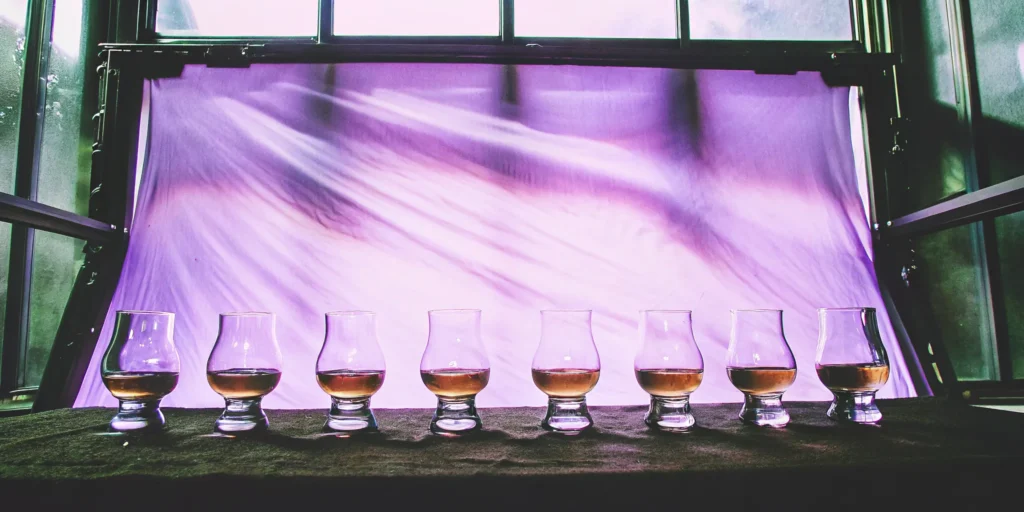
Caramel, toffee, butterscotch. If you love these rich, warm flavors in your whiskey, you’re in the right place. This guide is your map to finding the best bourbon caramel notes. We’ll explore how traditional bourbons develop this sweetness through barrel aging. We’ll also look at how flavored whiskeys, like our Mash & Mallow S’mores Whiskey, build on that foundation for a truly decadent experience. You’ll learn how to spot the right bottle and even train your palate to pinpoint that specific sweetness. Let’s find your new favorite pour.
Key Takeaways
- Caramel flavor is earned, not added: Bourbon’s signature sweetness comes naturally from the aging process. As the spirit rests in charred oak barrels, it pulls caramelized wood sugars from the staves, creating those rich, delicious notes.
- Look for clues to find a sweeter profile: You can identify a potentially sweet bourbon before you buy it. A deep amber color, a specific age statement, and a “wheated” mash bill are all strong indicators of a caramel-forward whiskey.
- Complement the sweetness, don’t cover it: Whether you’re making a cocktail or choosing a snack, the goal is to enhance the bourbon’s natural caramel notes. An Old Fashioned, a piece of dark chocolate, or a fun flavored whiskey all build on the spirit’s inherent character.
What Gives Bourbon Its Caramel Notes?
When you hear a whiskey enthusiast mention “caramel notes,” what are they actually talking about? It’s one of the most common and beloved flavors found in bourbon, bringing a rich, familiar sweetness to the spirit. But this isn’t an artificial flavoring; it’s a complex taste that develops naturally through the art and science of whiskey making. Think of the warm, buttery sweetness of a soft caramel chew or the slightly burnt sugar flavor of a crème brûlée topping. That’s the essence of a caramel note in bourbon, and it’s a big reason why so many people fall in love with this American spirit.
This signature flavor is a direct result of the aging process, where the unaged spirit interacts with a charred oak barrel. Over time, the whiskey pulls compounds from the wood, creating a symphony of flavors that often includes vanilla, toffee, and of course, caramel. Understanding where this sweetness comes from can completely change how you experience your next glass of bourbon. It helps you appreciate the craftsmanship in every bottle and gives you the language to identify what you truly enjoy in a whiskey. It’s the difference between just drinking bourbon and truly tasting it. So, let’s get into how this magical transformation happens.
How Does Bourbon Get That Caramel Flavor?
The signature caramel flavor in bourbon comes almost entirely from its time spent in a barrel. As bourbon ages inside a charred oak barrel, temperature fluctuations cause the liquid to expand and contract. With each cycle, the spirit seeps into the wood and then pulls back out, bringing delicious compounds with it. The wood itself contains sugars that, when toasted and charred, begin to caramelize. The bourbon extracts these compounds, along with others like vanillin (the primary component of vanilla), which all contribute to the final flavor. This slow, patient interaction is what transforms a harsh, clear spirit into the smooth, amber liquid we know as bourbon, layering in those deep notes of caramel and toffee.
It All Starts with Charred Oak Barrels
So, why are the barrels so important? By law, bourbon must be aged in new, charred oak barrels. This rule is the secret to bourbon’s classic flavor profile. The charring process is intense, essentially creating a layer of charcoal on the inside of the barrel. This charcoal does two things: it acts as a filter to mellow out harsh flavors in the spirit, and it caramelizes the natural wood sugars (called hemicellulose). This caramelized layer is where the magic happens. As the bourbon interacts with the wood, it dissolves these sweet, toasty flavors, infusing the spirit with its characteristic notes of caramel, butterscotch, and vanilla. Without the char, bourbon just wouldn’t be bourbon.
What’s the Science Behind Bourbon’s Sweetness?
Ever wonder where that delicious caramel flavor in bourbon actually comes from? It’s not an added ingredient or flavoring. Instead, it’s pure science, a beautiful transformation that happens when grain, wood, and time work together. The sweet notes you love are created during the whiskey-making process itself, from the initial grain recipe to the years spent resting in a barrel. Let’s break down exactly how that liquid gold gets its signature sweetness.
How Aging Creates Those Sweet Caramel Notes
Think of a bourbon barrel as more than just a container; it’s an active ingredient. By law, bourbon must be aged in new, charred oak barrels. As the whiskey rests inside, it works its way into the wood, extracting all sorts of flavorful compounds. According to the experts at Coal Pick Distillery, this process pulls out vanillin, caramelized sugars, and tannins, which create those classic notes of vanilla, toffee, and spice. The longer the bourbon ages, the more complex these flavors become. The surrounding climate also plays a role, as temperature swings cause the barrel to expand and contract, pushing the whiskey deeper into the wood and speeding up the flavor exchange. This entire process of barrel aging is what turns a harsh, clear spirit into the smooth, amber bourbon you pour into your glass.
Why the Barrel’s Char Level Matters
The real secret to those deep caramel notes lies in the char. Before a barrel is filled, its interior is toasted and then charred with an open flame. This process creates a layer of charcoal on the inside of the staves, which acts as a natural filter to mellow the spirit. More importantly, the intense heat caramelizes the wood’s natural sugars. A compound in the oak called hemicellulose breaks down during charring, creating the rich notes of caramel, butterscotch, and toffee that are so desirable in a good bourbon. How barrel aging shapes the flavor of whiskey is a fascinating subject, but this caramelization step is the key to that signature sweetness.
How the Mash Bill Influences Sweetness
While the barrel does a lot of the heavy lifting, the journey to a sweet finish actually begins with the grain. A bourbon’s mash bill, or grain recipe, sets the foundation for its final flavor profile. To be called a bourbon, the mash bill must contain at least 51% corn. Corn is a naturally sweet grain, and that sweetness carries through the distillation process into the final spirit. This provides a sweet base for the barrel to build upon. While the oak and char are responsible for transforming that sweetness into distinct caramel and vanilla notes, the initial character of the whiskey starts with its core ingredients. A high-corn mash bill gives the aging process a perfect canvas for creating a beautifully sweet and complex bourbon.
My Top Bourbon Picks for Caramel Lovers
Ready to find your new favorite caramel-forward whiskey? We’ve put together a list of fantastic bottles that really deliver on those sweet, rich notes. This isn’t just a random collection; it’s a curated guide to help you explore the world of sweet whiskey. While our list focuses on bourbon, we’ve also included a couple of other whiskeys that caramel lovers absolutely need to know about. Whether you’re looking for a smooth sipper, a base for a killer cocktail, or a fun bottle to share with friends, there’s something on this list for you. Let’s get into our top picks.
Mash & Mallow: Your Campfire in a Glass
If you love the sweet, gooey center of a s’more, this one’s for you. Mash & Mallow S’Mores Whiskey is like a campfire in a glass, perfectly capturing that nostalgic treat. It blends smooth American whiskey with the unmistakable flavors of melted chocolate, toasted marshmallow, and a hint of graham cracker. While traditional bourbons get their sweetness from the barrel, we decided to go all-in on flavor. It’s rich, sweet, and incredibly approachable, making it perfect for sipping on its own or mixing into creative cocktails. If you want to skip the hunt for subtle notes and go straight for a fun, memorable experience, you can buy a bottle online today.
Weller 12 Year: Soft, Wheated Caramel Notes
Often called a “wheated wonder,” Weller 12 Year is a highly sought-after bourbon for a reason. Instead of rye, its mash bill uses wheat, which creates a softer, smoother, and noticeably sweeter profile. Many drinkers report a powerful wave of caramel and vanilla on the palate, making it a top choice for anyone who enjoys a less spicy, more mellow sip. Its age and wheated recipe work together to create a beautifully balanced spirit that feels luxurious and refined. It can be a bit tricky to find, but for caramel lovers, the hunt is often worth it.
Woodford Reserve Double Oaked: Double the Toasted Sweetness
Woodford Reserve takes its classic bourbon and gives it a second round of aging in a new, deeply toasted and lightly charred barrel. This “Double Oaked” process works wonders, amplifying the sweet notes drawn from the wood. The result is a rich, complex bourbon with an unmistakable, forward caramel flavor. It’s often called a “dessert bourbon” because of its decadent profile, which also includes notes of dark chocolate, honey, and toasted oak. If you want a bourbon that’s unapologetically sweet and full-bodied, this is an excellent and widely available choice to add to your home bar.
Russell’s Reserve 10 Year: A Balance of Spice and Toffee
If you’re looking for a bourbon that balances rich caramel with a touch of classic spice, Russell’s Reserve 10 Year is a fantastic pick. Aged for a decade, this bourbon has had plenty of time to develop deep, satisfying flavors. Drinkers often point out its strong notes of vanilla, toffee, and of course, caramel, all wrapped up with a pleasant hint of rye spice and oak. It’s a well-rounded and mature bourbon that offers a complete tasting experience without letting the sweetness completely take over. It’s a great example of how age can create a complex and satisfying profile.
Buffalo Trace: Your Go-To for Classic Caramel
Buffalo Trace is a go-to bourbon for a reason: it’s affordable, accessible, and consistently delicious. While it might not be as intensely sweet as some others on this list, it has a classic bourbon profile with lovely undercurrents of caramel and vanilla. Some drinkers find it leans more towards vanilla, but its gentle sweetness makes it incredibly versatile. It’s a great bottle to have on hand for sipping neat, on the rocks, or for making a simple cocktail where you still want the bourbon’s character to shine through. For many, it’s the perfect introduction to bourbons with caramel and butterscotch notes.
Elijah Craig: A Butterscotch-Forward Favorite
If your love for caramel extends to its rich, buttery cousin, butterscotch, then Elijah Craig Small Batch is a bottle you need on your shelf. This widely available bourbon is celebrated for its distinct butterscotch and caramel notes. As some drinkers have pointed out, the bourbon has a wonderful caramel smell and taste that can even become more pronounced after the bottle has been open for a little while. It’s a great example of how a bourbon can evolve with a bit of air. The flavor is deep and satisfying, with a backbone of toasted oak and spice that keeps the sweetness from being one-dimensional. For a reliable and delicious caramel-forward experience, Elijah Craig is a fantastic and accessible choice.
Blanton’s: Classic Vanilla with a Caramel Finish
Blanton’s Single Barrel is famous for its iconic horse-stopper bottle, but what’s inside is just as noteworthy. While many people first notice its strong vanilla flavors, a beautiful caramel sweetness often makes an appearance on the finish, tying the whole experience together. Because it’s a single-barrel bourbon, each bottle can have its own unique character. Enthusiasts often seek out “store picks,” which are barrels selected by a specific retailer, as these can sometimes feature more prominent caramel notes. Blanton’s offers a smooth, balanced profile that’s both classic and refined, making it a perfect special-occasion sipper for those who appreciate a nuanced sweetness.
Elmer T. Lee: Designed for Sweetness
Named after a true legend in the bourbon world, Elmer T. Lee Single Barrel was reportedly designed with a specific goal in mind: to be a sweeter, more approachable bourbon. It absolutely delivers on that promise. This bourbon is frequently recommended by those searching for a spirit with clear and present caramel notes. Its profile is often described as soft and gentle, with a lovely sweetness reminiscent of honey, fruit, and of course, caramel. Like Blanton’s, it’s a single-barrel product, but its core identity is consistently sweet and easy-drinking. While it can be a bit of a challenge to find on the shelf, it remains a benchmark for anyone looking for a bourbon that was intentionally crafted for its sweet character.
Angel’s Envy Rye: A Bold, Spicy Twist on Caramel
Looking for something completely different? Angel’s Envy Rye is a fascinating choice. Rye whiskeys are known for their spicy, peppery character, which is the opposite of what you’d expect from a caramel-heavy spirit. However, this one is finished in Caribbean rum casks, a unique step that imparts an incredibly bold caramel flavor. It’s a surprising and delightful twist, blending the signature spice of rye with a rich, dessert-like sweetness. This bottle proves that you can find amazing caramel notes in unexpected places and is a must-try for the adventurous whiskey drinker.
How to Taste for Caramel Notes in Bourbon
Ready to become a caramel-tasting pro? It’s easier than you think. Tasting whiskey is a skill you can build over time, and it all starts with paying attention. It’s not about chugging your drink; it’s about slowing down and using your senses to explore the flavors in your glass. By learning to identify specific notes like caramel, you can appreciate the craft behind each bottle and figure out exactly what you love in a bourbon. Let’s walk through how to tune your senses to find that sweet, buttery goodness.
Preparing Your Palate for Tasting
Before you dive into a glass, it’s important to get your palate ready to appreciate the rich caramel notes that make bourbon so special. This sweetness isn’t from added sugar; it’s a flavor that’s earned as the spirit pulls caramelized wood sugars from its charred oak barrel. To really pick up on these subtleties, start with a clean slate by sipping some water, and avoid strong-tasting foods like coffee beforehand. Take a moment to observe the rich amber color—a deeper hue can hint at more developed sweetness. When you take your first sip, let it coat your tongue and focus on the initial flavors. Think of the warm, buttery sweetness of a soft caramel chew or the slightly burnt sugar of a crème brûlée. Learning how to taste bourbon is all about practice, so slow down and enjoy the process of discovery.
How to Nose Your Bourbon for Sweet Aromas
Your sense of smell is your best friend when it comes to tasting. Before you even take a sip, give your whiskey a good nosing. Pour a small amount into a glass, give it a gentle swirl to release the aromatic compounds, and bring it toward your nose. Instead of taking one big whiff, which can overwhelm your senses with alcohol, try taking a few short, gentle sniffs. Keep your mouth slightly open as you inhale. Look for a sweet, toffee-like smell. Does it remind you of a candy shop or freshly baked cookies? That’s the caramel talking. A guide to recognizing notes can help you practice identifying these specific scents.
Train Your Palate to Pinpoint Caramel
Now for the fun part: the tasting. Take a small sip and let the whiskey coat your entire tongue before you swallow. Pay attention to the initial flavor, the feeling as it sits in your mouth, and the taste it leaves behind. When you’re looking for caramel, you’ll notice a smooth, buttery sweetness that can feel rich and decadent. Sometimes it might even have a pleasant hint of burnt sugar, like the top of a crème brûlée. To really sharpen your skills, try tasting a few different whiskeys side-by-side. You can even start with something like our Mash & Mallow S’Mores Whiskey, where the sweet notes are front and center, to give your palate a clear reference point.
Use Flavor Aids to Guide Your Senses
If you’re having trouble isolating that caramel note, try using a flavor aid. This is a simple but effective trick. Grab a real piece of caramel candy—a soft chew or even a Werther’s Original works perfectly. First, smell the candy and take a small bite, letting the flavor coat your mouth. Pay attention to that specific buttery sweetness. Now, go back to your bourbon. Nose it again and take another sip. You’ve just given your brain a direct reference point, making it much easier to spot that same note in the whiskey. This exercise helps you recognize specific notes by creating a strong sensory memory. It’s a great way to build confidence and sharpen your tasting skills.
Is It Caramel, Vanilla, or Toffee? Telling Sweet Notes Apart
Don’t worry if you have trouble telling sweet notes apart at first. What one person tastes can be different for someone else, and there’s no right or wrong answer. Your personal experiences and palate shape your perception. However, you can learn to distinguish between similar profiles. Caramel often presents as rich and buttery. Vanilla is typically lighter, creamier, and a bit more floral. Toffee tends to have a deeper, nuttier flavor with more of that burnt-sugar character. The best way to learn the difference is to build a flavor library in your mind. Taste them in their pure form, a piece of caramel, a vanilla bean, a chunk of toffee, to create a strong sensory memory.
The Importance of Letting Your Bourbon Breathe
Have you ever noticed how a whiskey’s flavor can change a few minutes after you pour it? That’s not your imagination; it’s the magic of letting your bourbon breathe. Just like a fine wine, whiskey can benefit from a little airtime. When you first pour a bourbon, especially a higher-proof one, the alcohol vapors can be quite strong, masking the more delicate flavors underneath. By letting it sit in the glass for five to ten minutes, you allow some of that ethanol to evaporate. This process lets the spirit “open up,” softening the initial bite and allowing the complex aromas and tastes to come forward. You might find that this simple step helps you bring out butterscotch notes and other sweet characteristics that were hiding. It’s a small, patient step that can make a huge difference in your tasting experience.
Understanding Flavor Variations and Personal Taste
Here’s the most important rule of tasting: trust your own palate. What one person tastes as rich caramel, another might identify as brown sugar or vanilla. Flavor perception is incredibly personal, shaped by your own memories and biology. There’s no right or wrong answer in your glass. Don’t get discouraged if you don’t immediately taste what the bottle’s label or a tasting review describes. Instead, think of it as an adventure. The journey of discovering flavors is just as fun as the destination. The more you taste, the more you’ll build your own internal library of flavors, and the more confident you’ll become in identifying what you enjoy. So relax, sip slowly, and focus on what you experience.
How to Choose a Caramel-Forward Bourbon
Hunting for a bourbon with rich caramel notes doesn’t have to be a guessing game. You can learn to spot the signs of a sweeter whiskey right on the store shelf by looking at a few key details. The bourbon’s color, its age statement, and the grains in its recipe can all point you toward your perfect caramel-forward bottle. Here’s what to look for.
Can You Really Judge a Bourbon by Its Color?
You can tell a lot about a bourbon just by looking at it. A deep, amber hue is your first clue you might be in for a treat. As bourbon sits in a charred oak barrel, it slowly extracts compounds from the oak, including vanillin and caramelized wood sugars that create notes of vanilla, toffee, and caramel. A darker color often means the bourbon has spent more time mingling with the wood and soaking up that rich flavor. When comparing bottles, a deeper color is a good sign you’re on the right track.
Why Age Statements Matter for Sweetness
If a bourbon’s color is a hint, the age statement is your roadmap. While not every bottle has one, it tells you exactly how long the whiskey rested in the barrel. Time is a crucial ingredient for developing sweetness. The longer the bourbon ages, the more it interacts with the barrel’s wood, creating complex layers of flavor. An older bourbon often moves beyond simple sweetness into nuanced notes of layered caramel, dried fruit, and warm spice. If a bottle proudly displays its age, you can be confident it will deliver a rich, sweet finish.
Finding the “Sweet Spot” in Aging
While a higher age statement is a good clue, it’s not a guarantee. More time in the barrel isn’t always better; there’s a “sweet spot” where the flavors are perfectly balanced. If a bourbon is aged for too long, the oaky, tannic flavors from the wood can start to take over, creating a bitter or astringent taste that masks those beautiful caramel notes. This is what people mean when they say a whiskey is “over-oaked.” On the other hand, a bourbon that’s too young won’t have had enough time to develop much character at all. The goal is to find a bourbon that has hit that perfect equilibrium, where the sweet flavors from the wood are at their peak without overpowering the spirit.
Wheated vs. Rye: Which Mash Bill Is Sweeter?
The recipe of grains, or mash bill, plays a huge role in a bourbon’s final taste. While all bourbon is at least 51% corn, the secondary grain makes a big difference. For a sweeter bourbon, look for “wheated” on the label. Wheat creates a softer, sweeter profile. The sugars in the wood caramelize during barrel charring, and a wheated mash bill lets those notes of caramel and toffee shine. Bourbons made with rye, on the other hand, have a spicier kick. For a caramel-forward experience, wheated bourbon is your best bet.
Should Caramel Lovers Try Flavored Whiskey?
If you already love the sweet, rich notes in traditional bourbon, flavored whiskey is a natural and exciting next step. It takes the caramel and toffee profile you enjoy and turns it into a more focused, intentional flavor experience. Rather than being a departure from classic whiskey, it’s an evolution that builds on a foundation of familiar sweetness. For anyone with a sweet tooth, it’s a category worth exploring.
Bourbon vs. Flavored Whiskey: What’s the Difference?
If you’re a fan of caramel, you’ve probably noticed that many traditional bourbons already have those sweet, dessert-like notes. That’s no accident. Bourbon gets its signature sweetness from the barrel aging process. By law, it must be aged in new, charred oak containers. As the whiskey rests, it pulls compounds from the wood, creating those familiar hints of vanilla, toffee, and spice.
Flavored whiskey starts with this same foundation but takes it a step further. Instead of relying solely on the barrel for flavor, distillers intentionally add other ingredients or natural flavors after aging. Think of it as the difference between a classic vanilla ice cream and one with caramel swirls and chocolate chips mixed in. Both are delicious, but one is designed to deliver a specific flavor experience.
How Flavored Whiskeys Build on Natural Sweetness
The best flavored whiskeys don’t just mask the spirit; they build upon its natural character. The sweet notes you love in bourbon come from a fascinating chemical reaction. When barrels are charred, the wood’s hemicellulose sugars caramelize, ready to infuse the whiskey with notes of butterscotch and toffee. A great flavored whiskey uses a base spirit that already has these qualities.
This is exactly what we do with our Mash & Mallow S’mores Whiskey. We start with a smooth American whiskey that has its own subtle sweetness, then layer in the nostalgic flavors of toasted marshmallow, chocolate, and graham cracker. The result is a spirit where the added flavors feel like a perfect complement to the whiskey’s inherent warmth and caramel undertones, creating a cohesive and memorable sip.
How to Build Your Caramel Bourbon Collection
Ready to curate your own lineup of caramel-forward bourbons? Building a collection is a rewarding way to explore different flavor profiles and find your personal favorites. The best part is that you can start at any price point. Whether you’re looking for an affordable daily sipper or a rare bottle for a special occasion, there’s a caramel-rich bourbon waiting for you. Once you’ve found your perfect bottles, a little care goes a long way in preserving their delicious character. Let’s walk through how to get started.
Affordable Bourbons to Start Your Collection
You don’t need to spend a fortune to enjoy a bourbon packed with sweet, caramelly goodness. Many accessible and affordable bottles deliver fantastic flavor, making them perfect for stocking your home bar. A great starter bottle is one you can enjoy neat, on the rocks, or in a cocktail without feeling like you’ve broken the bank.
Look for Buffalo Trace, a classic choice known for its sweet profile of caramel, vanilla, and a hint of fruit. It’s consistently smooth and versatile. Another excellent option is Russell’s Reserve 10 Year, which offers a wonderful balance of rich caramel and vanilla with a touch of spice. These bourbons are widely available and prove that a high-quality tasting experience doesn’t have to come with a high price tag.
Larceny Small Batch
If you’re on the hunt for a wheated bourbon that’s easy on your wallet, Larceny Small Batch is a fantastic choice. It swaps the spicier rye grain for wheat, which creates a noticeably softer and smoother profile. This allows the sweet flavors from the barrel to take center stage, delivering generous notes of caramel and honey. It’s an incredibly approachable and easy-sipping bourbon, often recommended as a great value for anyone looking to find a bottle with rich caramel notes. Larceny is the perfect example of how a wheated mash bill can produce a beautifully sweet and satisfying pour without a high price tag.
Evan Williams Single Barrel
Evan Williams Single Barrel is another affordable gem, but it comes with a fun twist that makes it exciting to revisit. Since each bottle is drawn from just one barrel, the flavor profile can change from year to year. This means you get to go on a bit of a treasure hunt with each purchase. While some vintages might be more oak-forward, others have been praised by enthusiasts as a total caramel monster, showing just how much sweetness can be pulled from the wood. This variability is part of its charm, offering a slightly different experience every time. It’s a great way to explore how aging conditions impact flavor while you search for that perfect caramel-heavy batch.
Ready to Splurge? Try These Top-Shelf Bourbons
When you’re ready to add a showstopper to your collection, there are some truly exceptional bourbons that take caramel notes to the next level. These bottles are often harder to find and come with a higher price, but they offer a complexity and depth of flavor that’s worth the investment for a true enthusiast.
Weller 12 Year is a highly sought-after wheated bourbon celebrated for its incredibly smooth and sweet profile, dominated by caramel and vanilla. It can be difficult to track down, but it’s a prize for any collector. For another top-tier experience, keep an eye out for Old Forester Birthday Bourbon. This annual limited release is famous for its intense and decadent caramel flavor, making it a memorable pour for any special occasion.
Old Forester Birthday Bourbon
If you’re looking for a bottle that’s an event in itself, this is it. Released each September to honor the founder’s birthday, Old Forester Birthday Bourbon is one of the most anticipated bottles of the year. Each release is a vintage, meaning it comes from a specific batch of barrels selected for their unique character. This annual limited release is famous for its intense and decadent caramel flavor, making it a memorable pour for any special occasion. While every year is different, you can always expect a complex and beautifully aged bourbon with deep notes of caramel, chocolate, and rich oak. It’s a true collector’s item that serious caramel lovers seek out every fall.
Willett Family Estate Wheated Bourbon
Here’s another bottle that proves why wheated bourbons are a caramel lover’s dream. Often described as a “wheated wonder,” this bourbon is celebrated for its incredibly smooth and sweet profile, dominated by caramel and vanilla. The Willett Family Estate line is known for its exceptional single-barrel offerings, and their wheated expressions are particularly prized. Using wheat as the secondary grain creates a soft, gentle spirit that allows the sweet flavors from the barrel to come forward without any spicy rye notes getting in the way. It’s a sophisticated and elegant bourbon that delivers a pure, creamy caramel experience, making it a fantastic, albeit rare, addition to any collection you build.
How to Store Your Whiskey to Protect Its Flavor
You’ve invested in a great bottle of bourbon, so let’s make sure every sip is as good as the first. Proper storage is essential for protecting the delicate flavors you love. The complex chemical reactions between the whiskey and the charred oak barrel are what create those delicious caramel notes, and you want to preserve that chemistry in the bottle.
First, always store your whiskey upright. Storing it on its side can cause the high-proof alcohol to disintegrate the cork over time, ruining the seal and the whiskey. Second, keep your bottles out of direct sunlight, which can degrade the flavor and color. Finally, find a spot with a cool, stable temperature, as extreme fluctuations can cause the whiskey to expand and contract, potentially damaging the cork and letting air in. A closet or a cabinet works perfectly.
The Best Food Pairings for Caramel-Heavy Bourbons
Finding the right snack to enjoy with your bourbon can turn a simple drink into a full-on tasting experience. When you’re sipping a bourbon with strong caramel notes, the goal is to find foods that either match its sweetness or provide a pleasant contrast. Think of it as finding a dance partner for your drink; you want flavors that move together gracefully. From simple snacks to more decadent bites, the right pairing will make those warm, sweet flavors sing.
Pairing Bourbon with Desserts and Sweet Treats
Let’s start with the obvious match: dessert. Chocolate is a fantastic partner for caramel-forward bourbon. A piece of high-quality dark chocolate can complement bourbon’s sweet notes of caramel and vanilla without being overly sweet itself. For something a little lighter, try a small bowl of dried fruits like apricots or dates. Their concentrated sweetness and chewy texture work beautifully with the richness of the whiskey. And of course, you can’t go wrong with a classic dessert like a caramel-drizzled cheesecake or a simple scoop of vanilla bean ice cream.
Beyond Dessert: Savory and Cheese Pairings
If you prefer savory over sweet, there are plenty of great options. Cheese is a classic go-to for a reason. A soft, creamy cheese like brie or a nutty aged gouda creates a wonderful contrast in texture and flavor. The buttery quality of the cheese balances the bourbon’s sweetness perfectly. For a more substantial pairing, especially for a get-together, consider smoky, savory meats. Smoked brisket, pulled pork, or even a handful of candied bacon can stand up to the bourbon’s bold character, creating a delicious sweet-and-savory combination that’s hard to beat. You can find more ideas in this ultimate guide to bourbon-and-food pairings.
Best Cocktails for a Caramel-Forward Bourbon
A great cocktail should complement your whiskey, not cover it up. When you’re working with a bourbon rich in caramel notes, the goal is to choose ingredients that make that sweetness the star of the show. The right mix can turn a simple sip into a truly memorable drink. Those delicious caramel, toffee, and butterscotch flavors aren’t added in; they develop naturally as the whiskey ages in charred oak barrels. During this process, sugars within the wood caramelize and infuse the spirit, creating a deep, complex sweetness. So, when you build a cocktail, you’re really just building on a fantastic foundation that the distiller and time have already created.
Classics are often the best place to start. An Old Fashioned is a perfect example. With just a touch of sugar, bitters, and a citrus peel, the bourbon’s inherent character remains front and center. Try making it with a brown sugar simple syrup to really amplify those caramel tones. A Manhattan is another excellent choice, as the sweet vermouth pairs beautifully with the vanilla and toffee notes in the whiskey. Of course, for a truly unique twist, you can start with a base that’s already designed for flavor. Using our Mash & Mallow S’Mores Whiskey in these cocktails adds layers of toasted marshmallow and chocolate that work in perfect harmony with the caramel. Imagine a S’mores Old Fashioned or a rich, dessert-like Manhattan. You can find even more creative ideas on our cocktails page to get your inspiration flowing. The key is to let the whiskey’s natural sweetness lead the way.
Related Articles
- What Is a Good Sweet Whiskey? 6 Top Picks
- 8 Best Sweet American Whiskey Brands to Try
- 5 Best Flavored Bourbon Whiskeys to Try Now
- The Top 10 Sweet Whiskey Brands for Beginners
- The Ultimate Guide to Whiskey for Dessert Pairing
Frequently Asked Questions
Is caramel flavoring actually added to bourbon to make it sweet? No, it’s all natural. For a whiskey to be legally called bourbon in the United States, it cannot have any flavorings or colorings added. That rich, sweet caramel flavor you taste is a wonderful result of the aging process. It comes from the spirit interacting with the charred oak barrel, which releases caramelized wood sugars into the liquid over time.
Why do some bourbons taste so much more like caramel than others? The strength of the caramel flavor comes down to a few key factors in how the bourbon is made. A recipe, or mash bill, that uses a lot of corn or wheat will create a sweeter base spirit. From there, the amount of time the whiskey spends in the barrel and the level of char on that barrel play huge roles. A longer aging period or a deeper char can lead to a more intense extraction of those sweet, toffee-like notes.
I’m new to tasting whiskey. What’s the easiest way to start identifying caramel notes? Start by using your nose before you even take a sip. Gently swirl the bourbon in your glass and take a few light sniffs. Try to pick out any sweet aromas that remind you of a candy shop or brown sugar. When you taste, take a small sip and let it rest on your tongue. Focus on identifying a smooth, buttery sweetness that feels distinct from the warmth of the alcohol. It helps to have a clear reference, so trying a very flavor-forward spirit like our Mash & Mallow S’Mores Whiskey can give your palate a great starting point.
If I already like the caramel notes in bourbon, should I try a flavored whiskey? Absolutely. Think of it as the next logical step in your flavor journey. If you enjoy the subtle sweetness that develops naturally in bourbon, you’ll probably love how a flavored whiskey takes that idea and makes it the star of the show. It’s not about masking the whiskey; it’s about complementing its inherent character with other delicious flavors, creating a fun and focused tasting experience.
Besides sipping it neat, what’s a good way to enjoy a caramel-forward bourbon? A classic Old Fashioned is a perfect cocktail for a caramel-heavy bourbon. The simple recipe of sugar, bitters, and a citrus peel enhances the whiskey’s natural sweetness without overpowering it. For a food pairing, try a piece of good quality dark chocolate or a slice of nutty aged cheese, like gouda. The savory and bitter notes in these foods provide a beautiful contrast that makes the bourbon’s caramel character pop.
