
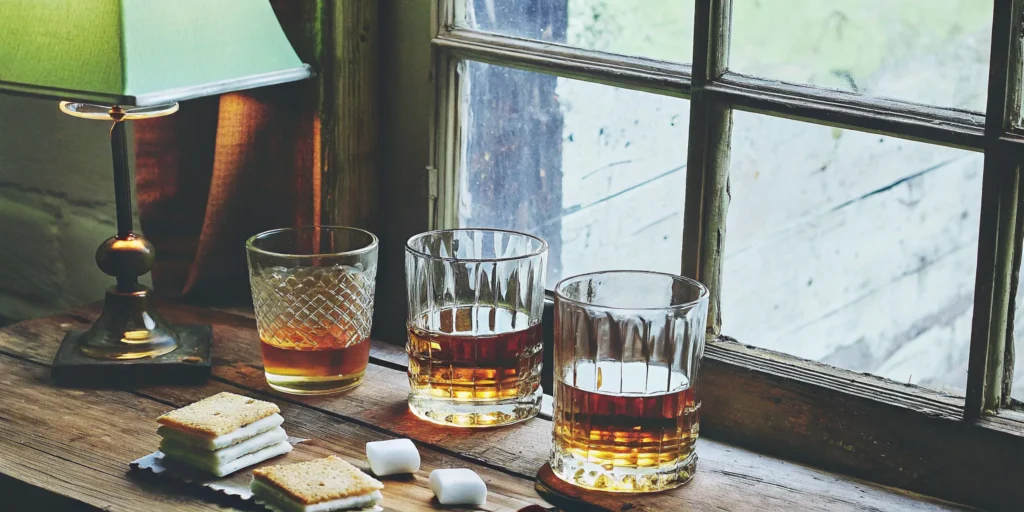
If you’ve ever thought, “I’m just not a whiskey person,” I’m willing to bet you just haven’t found the right one yet. The secret is that you don’t have to start with a straight shot of something intense and smoky. Your journey can begin with something sweet, smooth, and incredibly easy to drink. This guide is your permission slip to skip the “traditional” choices and find a bottle that actually tastes good to you from the very first sip. We’ll break down the different styles and give you a curated shopping list, focusing on finding a good cheap whiskey for beginners that makes you excited to pour a glass.
For WordPress Implementation:
Copy and paste this code into your blog post HTML editor:
<style>
.cta-button {
    display: inline-block;
    padding: 12px 30px;
    background: transparent;
    color: white;
    text-decoration: none;
    font-family: Arial, sans-serif;
    font-size: 16px;
    font-weight: bold;
    text-transform: uppercase;
    letter-spacing: 1px;
    border: 2px solid white;
    border-radius: 8px;
    transition: all 0.3s ease;
    text-align: center;
    cursor: pointer;
    margin: 20px 0;
}

.cta-button:hover {
    background: #D4AF37;
    color: white;
    border-color: #D4AF37;
    transform: translateY(-2px);
    box-shadow: 0 4px 12px rgba(212, 175, 55, 0.3);
}

.cta-container {
    text-align: center;
    margin: 30px 0;
}
</style>

<div class="cta-container">
    <a href="https://www.mashandmallow.com/buy-mash-mallow-smores-flavored-whiskey/" class="cta-button">
        BUY NOW
    </a>
</div>
Key Takeaways
- Start with Smooth and Sweet Flavors: To make your first experience a great one, choose whiskeys known for being easy to drink. Bourbons, Irish whiskeys, and flavored options are perfect starting points because they focus on pleasant notes like caramel and vanilla instead of a harsh alcohol bite.
- You Don’t Need to Spend a Lot: Ignore the myth that a higher price tag means better whiskey. The $20-$40 range is filled with fantastic, high-quality bottles, allowing you to explore different styles without worrying about a big investment.
- Find Your Perfect Pour: There’s no right or wrong way to enjoy whiskey. Don’t feel pressured to drink it neat right away; adding ice, a splash of water, or mixing it into a simple cocktail are all great ways to get comfortable with the flavors.
What Makes a Whiskey “Beginner-Friendly”?
Walking into the whiskey aisle for the first time can feel a little overwhelming. With so many bottles, terms, and regions, where do you even start? The good news is that finding a “beginner-friendly” whiskey isn’t about picking a lesser-quality spirit; it’s about finding one that’s enjoyable and easy to drink while your palate gets acquainted with new flavors.
Think of it like trying coffee for the first time—you probably wouldn’t start with a straight shot of black espresso. Instead, you might go for a latte. The same idea applies here. A great starter whiskey is typically smooth, leans into sweeter flavors, and won’t overwhelm you with a high alcohol burn. Let’s break down what those qualities really mean.
Look for Smoothness, Not Complexity
When people talk about a “smooth” whiskey, they’re referring to how it feels to drink. A smooth whiskey goes down easily without a harsh, fiery burn. This quality comes directly from how the whiskey is made—its ingredients and distillation process. For example, whiskeys with a high corn content in their mash bill, like most bourbons, have a natural sweetness that makes them feel smoother. Similarly, many Irish whiskeys are triple-distilled, a process that creates a lighter, cleaner, and exceptionally smooth whiskey. You can save the complex, bold, and challenging spirits for later. For now, make smoothness your top priority.
Find Sweet & Approachable Flavors
Your first whiskey shouldn’t be a test. It should be a treat! Starting with sweet and familiar flavors makes the entire experience more pleasant. Bourbon is a fantastic entry point because its time in charred oak barrels gives it classic notes of vanilla, caramel, and toffee. Irish whiskeys often have a gentle, fruity, or honey-like sweetness that’s also very welcoming. And don’t overlook flavored whiskeys! They are designed to be approachable, blending classic whiskey notes with familiar tastes like chocolate, marshmallow, or cinnamon. These spirits are perfect for sipping on their own or mixing into simple cocktails.
Stick to a Milder Proof
“Proof” is simply a measure of alcohol content—it’s double the Alcohol By Volume (ABV). A higher proof means more alcohol, which often translates to a more intense, “hot” sensation when you drink it. For someone new to whiskey, that alcoholic burn can easily overpower all the other delicious flavors in the glass. To avoid this, look for bottles that are 100 proof (50% ABV) or less. This range is strong enough to deliver great flavor but mild enough that you can sip comfortably. A well-balanced whiskey at a lower proof will let the sweet, oaky, or fruity notes shine through without the fiery finish.
Which Whiskey Style Is Right for You?
Walking into a liquor store can feel overwhelming with all the different types of whiskey lining the shelves. But don’t worry—you don’t need to know the difference between single malt and single pot still to find a bottle you’ll love. Most beginner-friendly whiskeys fall into one of four main categories. Understanding the basic flavor profile of each style is the best way to figure out where you want to start your whiskey journey. Think of it less like a test and more like a “choose your own adventure” story.
Bourbon: Sweet, Classic, and All-American
If you have a bit of a sweet tooth, bourbon is an excellent place to start. As an American-made whiskey, it’s required to be made from at least 51% corn, which gives it a characteristic sweetness. It’s a great starting point because it’s usually smooth and full-bodied, with common tasting notes of vanilla, caramel, and toasted oak. Because these flavors are so familiar and comforting, they make the whiskey feel instantly approachable. You’re not trying to decipher a complex puzzle; you’re just enjoying a rich, pleasant drink.
Irish Whiskey: Exceptionally Smooth
When someone says they want a “smooth” whiskey, they’re often describing what makes Irish whiskey so popular. Many Irish whiskeys are distilled three times (compared to twice for most Scotch and once for many bourbons), a process that strips away harshness and results in a lighter, cleaner spirit. This triple-distillation is what gives Irish whiskey its famously smooth character. You’ll find it’s often less sweet than bourbon and lacks the smoky notes of some Scotches, making it incredibly easy to sip. It’s a fantastic choice if you’re worried about that “whiskey burn.”
Blended Scotch: A Balanced Introduction
Scotch can seem intimidating, but a blended Scotch is a fantastic entry point. Blended whiskies combine different types of whisky to create a balanced and consistent flavor profile that appeals to a wide range of palates. Instead of the intense, specific notes you might find in a single malt, a blend offers a harmonious mix of flavors that are often softer and more rounded. Think of it as a greatest-hits album—you get a little bit of everything that makes Scotch great, without being overwhelmed by one single, powerful note.
Flavored Whiskey: Your Shortcut to Great Taste
Let’s be honest: sometimes you just want something that tastes good right away. Flavored whiskeys are designed to do just that. They take a traditional whiskey base and infuse it with other ingredients, creating a sweeter, more accessible flavor. This is a perfect way to get used to the underlying notes of a brown spirit without the intensity. Our own Mash & Mallow S’Mores Whiskey is a great example—it gives you that classic campfire taste of chocolate, marshmallow, and graham cracker with a smooth whiskey finish. It’s delicious on its own or mixed into simple cocktails.
Our Top 12 Whiskeys for Beginners
Ready to find your first favorite whiskey? We’ve put together a list of bottles that are perfect for anyone just starting out. These whiskeys are chosen for their smooth, approachable flavors and reasonable price tags, so you can explore without breaking the bank. This list covers a few different styles—from sweet American bourbon and smooth Irish whiskey to balanced blended Scotch and, of course, fun flavored options. Think of this as your curated shopping list. Each bottle offers a welcoming introduction to the world of whiskey, helping you discover what you like without any of the harsh, intimidating notes you might be worried about. Let’s find the perfect pour for you.
Mash & Mallow S’Mores Whiskey
If you’re looking for a gentle and delicious entry into the world of whiskey, flavored options are a fantastic place to start. Mash & Mallow S’Mores Whiskey is a unique blend that captures the essence of campfire s’mores, making it a fun and approachable choice for beginners. The familiar flavors of toasted marshmallow, rich chocolate, and graham cracker are balanced perfectly with smooth American whiskey. It’s sweet but not overpowering, making it easy to sip on its own over ice or mix into simple cocktails. This is your permission slip to skip the traditional stuff and jump right into something you know you’ll love. You can buy a bottle online and have it delivered right to your door.
Buffalo Trace Bourbon
You’ll see Buffalo Trace on almost every “best for beginners” list, and for good reason. It’s a top choice due to its affordability and complex flavor profile with notes of caramel, vanilla, and oak. This bourbon delivers a classic, rich taste that feels much more expensive than it is. It’s incredibly smooth and balanced, making it a fantastic introduction to what American bourbon is all about. Buffalo Trace is versatile enough to be enjoyed neat, on the rocks, or as the base for a classic cocktail like an Old Fashioned. It’s a reliable, high-quality bottle that consistently impresses newcomers and seasoned drinkers alike.
Jameson Irish Whiskey
Jameson is a classic, smooth Irish whiskey that is very approachable for those new to whiskey and is well-suited for drinking neat. Its signature triple-distillation process results in an exceptionally smooth spirit with light floral notes and hints of spicy and sweet woods. Unlike some other whiskeys, it has no heavy, smoky finish, which makes it incredibly easy to drink. It’s a global bestseller because it’s so consistent and versatile. Try it straight, with a splash of ginger ale and a lime wedge (a “Jameson and Ginger”), or even in coffee for a classic Irish Coffee. It’s a friendly, no-fuss introduction to the world of Irish whiskey.
Four Roses Bourbon
If you think all bourbons are big and bold, Four Roses is here to show you a softer side. It’s a great starting point for bourbon with a softer profile, featuring notes of honey, gentle spice, and floral notes. This Kentucky straight bourbon is known for its mellow and crisp character, which comes from using two different mashbills and five proprietary yeast strains. The result is a uniquely smooth and easy-sipping spirit with a clean finish. It’s a fantastic choice if you’re looking for something a little more delicate than other bourbons on the shelf. Its gentle flavor makes it perfect for sipping on its own or in a light, refreshing cocktail.
Tullamore D.E.W. Irish Whiskey
Another star from the Emerald Isle, Tullamore D.E.W. is known for being light, smooth, and easy to drink. It’s often a bit fruity or tastes like honey, making it a very welcoming spirit for first-timers. As a blend of all three types of Irish whiskey, it has a gentle complexity with notes of green apple, sweet citrus, and a touch of vanilla. It’s exceptionally smooth with a clean finish that doesn’t linger with any harshness. This is the kind of whiskey you can easily enjoy on the rocks without wincing. Its approachable character makes it a staple in bars around the world and a great addition to your home collection.
Evan Williams Bottled-in-Bond
Don’t let the low price fool you—this is a seriously good bourbon. Evan Williams Bottled-in-Bond offers a sweet, oaky, and slightly nutty flavor profile, providing good richness for its low price. The “Bottled-in-Bond” label means it meets specific government standards for age and proof, which is a mark of quality. At 100 proof, it’s a little stronger than some others on this list, but it carries its strength well with deep flavors of caramel, vanilla, and black pepper. It’s a fantastic budget-friendly whiskey that stands up beautifully in cocktails but is still smooth enough to sip. It’s proof that you don’t have to spend a lot to get a great bottle.
Maker’s Mark Bourbon
With its signature red wax-dipped bottle, Maker’s Mark is one of the most recognizable bourbons on the shelf. It’s a popular and often recommended bourbon, known for its smoothness and sweetness, making it a great choice for beginners. Instead of rye, Maker’s Mark uses red winter wheat in its mashbill, which gives it a softer, gentler flavor profile without the spicy bite found in many other bourbons. You’ll taste notes of caramel, vanilla, and fruit. It’s one of the smoothest whiskeys to drink and is perfect for sipping neat, on the rocks, or in a classic Whiskey Sour. It’s a crowd-pleaser for a reason.
Wild Turkey 101
Wild Turkey 101 might sound intimidating with its high proof, but it’s a popular and affordable option that holds up well in cocktails and can also be enjoyed neat or on the rocks. The higher alcohol content gives it a bold, rich flavor that won’t get lost when you mix it. It has a classic bourbon profile with notes of sweet vanilla, pear, and hints of spice and oak. Despite its strength, it’s surprisingly smooth. If you’re planning to make cocktails like a Manhattan or an Old Fashioned, this is an excellent choice because its robust character shines through. It’s a fantastic value and a staple for any home bar.
Elijah Craig Small Batch
For those ready for a bit more complexity, Elijah Craig Small Batch is a perfect next step. It has nice dark caramel sweetness, oak, spice, and fruit, making it a rich and varied choice for everyday sipping. This bourbon is credited with being the first “small batch” bourbon, and it delivers a warm, full-bodied experience that feels sophisticated without being overwhelming. The balance of sweet and spicy notes makes it interesting to sip on its own as you try to pick out the different flavors. It’s a well-regarded budget whiskey that offers a taste of the richer, deeper side of bourbon.
Monkey Shoulder Blended Scotch
If you’re curious about Scotch but worried about the smoky, peaty flavors, Monkey Shoulder is the perfect introduction. It’s a blended malt Scotch that has complex flavors like vanilla, fruit, and spice, making it great for cocktails. This whisky was specifically designed for mixing, so it’s incredibly smooth and balanced. You’ll find notes of zesty orange, mellow vanilla, and a hint of spice—and absolutely no harsh smoke. It’s a modern, approachable take on Scotch that has won over bartenders and beginners alike. Try it in a simple highball with soda water or as the base for a Penicillin cocktail. It’s one of the smoothest whiskeys you can find.
Suntory Toki Japanese Whisky
Japanese whisky is known for its incredible balance and craftsmanship, and Suntory Toki is a perfect example. It’s made to be liked by many people, with a big honey taste and a hint of wood, making it an excellent introduction to Japanese whisky. The name “Toki” means “time” in Japanese, and this blend brings together old and new traditions from Suntory’s distilleries. It’s light, bright, and incredibly smooth, with notes of green apple, grapefruit, and a touch of ginger spice. Toki is fantastic in a classic Japanese highball—just whisky, sparkling water, and a twist of lemon over ice. It’s a great starting point for exploring this celebrated category.
Johnnie Walker Black Label
Johnnie Walker Black Label is an icon for a reason. It’s a well-balanced blended Scotch that is smooth and versatile, suitable for both sipping and mixing. This blend is made from around 40 different whiskies, each aged for at least 12 years, resulting in a remarkably deep and complex flavor. You’ll taste notes of dark fruits, sweet vanilla, and the signature hint of gentle smokiness that makes it so distinctive. It’s complex enough to be interesting but smooth enough to be enjoyed by anyone. Black Label is a classic smooth whiskey that works well neat, on the rocks, or in a simple highball.
How Much Should Your First Bottle Cost?
Walking into a liquor store and seeing the sheer variety of whiskey prices can be overwhelming. You’ll see bottles for $15 right next to ones that cost hundreds. So, what’s the right amount to spend on your first bottle? The good news is, you don’t need to empty your wallet to find a fantastic whiskey. In fact, some of the most beginner-friendly options are also some of the most affordable.
The key is to find a bottle that delivers great flavor and a smooth experience without a hefty price tag. This lets you explore what you like without feeling like you’ve made a huge investment. Think of your first bottle as an introduction, not a lifetime commitment. Let’s find that perfect starting point for your budget.
The $20-$40 Sweet Spot
When you’re just starting your whiskey journey, the $20 to $40 range is the ideal place to be. This price point is packed with excellent, high-quality options that are perfect for new drinkers. You’ll find classic bourbons, smooth Irish whiskeys, and even approachable flavored whiskeys that offer a great introduction to the spirit’s potential. Sticking to this budget allows you to try a few different styles to see what you prefer without any buyer’s remorse. You really don’t need to spend a lot of money to find a smooth whiskey that you’ll genuinely enjoy sipping.
Why a Higher Price Doesn’t Mean Better Whiskey
It’s a common myth that a more expensive whiskey is automatically a better one. While price can sometimes indicate age or rarity, it’s not a reliable measure of quality or enjoyment, especially for a beginner. Many factors influence a bottle’s price, including marketing, packaging, and production scale. Some of the most beloved and respected whiskeys on the market fall squarely in the affordable category. In fact, judging whiskey solely by its price is a classic mistake that can cause you to miss out on some truly incredible finds. Focus on finding flavors you enjoy, not a number on a price tag.
First-Time Buyer? Avoid These Common Pitfalls
Walking into a liquor store can feel overwhelming, and it’s easy to fall into a few common traps when you’re just starting out. But don’t worry, I’ve got your back. By keeping these few points in mind, you’ll be able to shop with confidence and walk out with a bottle you’re genuinely excited to try. Let’s bust some myths and get you on the right track to finding your new favorite drink.
Falling for the Age Statement Myth
It’s one of the most common whiskey myths: the older, the better. While a high age statement can indicate a complex and mature spirit, it’s definitely not the only measure of quality. A younger whiskey aged in a high-quality barrel can be far more delicious than an older one that spent decades in a mediocre cask. Factors like the distillation process, the type of grain, and the climate where it’s aged all play a huge role. So, don’t let a big number on the label be your only guide. Instead, focus on the flavor descriptions and reviews to find something that sounds good to you.
Assuming Blended Whiskey Is Inferior
The term “blended” sometimes gets a bad rap, but it’s time to set the record straight. A blended whiskey is simply a combination of different whiskeys, often from various distilleries. This isn’t a sign of lower quality; in fact, it’s an art form. Master blenders skillfully combine these spirits to create a balanced, consistent, and often complex final product. Some of the most iconic and approachable whiskeys in the world are blends (like Monkey Shoulder and Johnnie Walker on our list!). Don’t shy away from them—they often provide fantastic flavor and great value, making them a perfect starting point for your journey.
Judging Quality by Price Alone
It’s tempting to think that a higher price tag guarantees a better bottle, but that’s not always the case in the world of whiskey. The entire point of this list is to show you just how many incredible, well-crafted whiskeys are available for under $40. Price can be influenced by marketing, fancy packaging, rarity, or age—none of which directly translate to taste. Some of my all-time favorite bottles are budget-friendly workhorses that consistently outperform more expensive options. Trust your taste buds, not the price tag. You can avoid many common mistakes by remembering that great value and great flavor often go hand-in-hand.
Relying on a Single Recommendation
Your best friend, your dad, that whiskey snob at the party—everyone has an opinion on what you should be drinking. While recommendations are a great starting point, don’t let one person’s preference dictate your entire shopping trip. Everyone’s palate is different. The smoky, peaty Scotch your friend raves about might not be your thing at all, and that’s perfectly okay! The goal is to discover what you like. Be open to trying different styles, from a classic sweet bourbon to a smooth Irish whiskey or even a fun flavored option like our S’mores Whiskey. Your personal taste is the only one that matters.
Flavors You Might Want to Save for Later
As you get more comfortable with whiskey, your curiosity will naturally lead you to explore new and different bottles. That’s one of the best parts of this journey! But some styles have intense, acquired-taste flavor profiles that can be a bit much right out of the gate. Think of these as the “level-up” bottles you can look forward to trying once you have a few friendlier drams under your belt.
Starting with one of these can be like trying to run a marathon without training—it might put you off the sport for good. To make sure your first experiences are great ones, I’d suggest holding off on these three categories until you’ve built up your palate.
Smoky and Peated Scotch
You’ve probably heard people describe certain Scotches as “smoky.” This flavor usually comes from peat, which is decomposed plant matter used to dry malted barley over a fire. The result is a powerful, earthy, and sometimes medicinal flavor that people either love or hate. Scotch flavors can vary a lot depending on where it’s made. Bottles from the Islay region, for example, are famous for their intense, campfire-in-a-glass character.
While many seasoned drinkers adore peated Scotch, it can be an overwhelming first pour. The good news is that not all Scotch is smoky. If you’re curious about it, I recommend looking for lighter, unpeated styles from regions like Speyside or the Lowlands to get a feel for the spirit without the intense smoke.
High-Proof or “Cask Strength” Bottles
When you see “cask strength” or “barrel proof” on a label, it means the whiskey was bottled at the same alcohol level it had coming out of the barrel, with little to no water added. This results in a much higher alcohol by volume (ABV), often well over 100 proof (50% ABV). While this intensity is prized by enthusiasts for its concentrated flavor, it can also deliver a significant alcoholic burn.
For a beginner, that fiery sensation can easily overpower the whiskey’s more subtle notes of caramel, vanilla, or fruit. It’s hard to taste the good stuff when your palate is on fire. To start, stick with whiskeys in the 80 to 90 proof range. You’ll find that smoother whiskeys with less than 50% alcohol often feel less fiery and are much easier to sip and enjoy.
Intensely Complex Single Malts
A single malt Scotch is made in Scotland from only malted barley at a single distillery. These whiskeys are celebrated for their depth and complexity, offering a huge spectrum of nuanced flavors from floral and fruity to nutty and spicy. While they are fantastic, appreciating that complexity often takes a bit of practice. It’s like trying to pick out every instrument in a symphony on your first listen—it’s tough when you’re not yet familiar with the basic melody.
Starting with a more straightforward bourbon, a smooth Irish whiskey, or a balanced blended Scotch can help you train your palate to identify core flavors. Once you can easily pick out notes like oak, caramel, and vanilla, you’ll be much better equipped to appreciate the intricate layers of a great single malt.
Where to Buy Your First Bottle
Okay, you have a few whiskeys in mind. Now, where do you actually go to buy one? Finding the right place can be just as important as picking the right bottle. Each option has its own perks, whether you’re looking for expert advice, a huge selection, or the best possible price. Let’s break down the best spots to grab your first bottle so you can feel confident with your purchase.
Your Local Liquor Store
Your neighborhood liquor store is often the perfect place to start. The best part? You get to talk to a real person. The staff at these shops are usually whiskey fans themselves and can give you great recommendations based on what you like and how much you want to spend. This kind of personalized service is amazing when you’re just starting out and the wall of bottles feels a little overwhelming. You can walk in, ask questions, and walk out with a bottle you’re genuinely excited to try. It’s also a great way to find unique spirits that might not be in bigger chain stores.
Online Shops
If you value convenience and selection, shopping online is a fantastic option. Online retailers often have a much broader inventory than brick-and-mortar stores, making it easier to find exactly what you’re looking for—especially if it’s a specific brand or a unique flavor. It’s never been easier to buy whiskey online and have it delivered right to your doorstep. This is my go-to method when I know what I want or feel like browsing different options from the comfort of my couch. Plus, you can easily compare prices between different sites to make sure you’re getting a good deal.
Big Box Retailers
Don’t overlook the big box stores and larger grocery chains. While they might not have the niche selection of a specialty shop, they often carry a solid range of popular, beginner-friendly whiskeys at very competitive prices. This is where you can find some excellent deals, especially if the store is running a promotion. If you’re looking to try a well-known brand without spending a lot, this is a smart place to look. It’s a low-pressure environment where you can grab a reliable bottle along with your weekly groceries. Just be sure to check their inventory online before you go if you have a specific whiskey in mind.
How to Drink Your First Whiskey
You’ve brought your first bottle home—congrats! Now for the fun part. There’s no secret handshake or official rulebook for enjoying whiskey. The best way to drink it is whatever way you like it best. If you’re not sure where to begin, here are three simple approaches to help you find your footing and discover the flavors you love.
Start with Ice or a Little Water
If the idea of sipping whiskey straight feels a bit intense, you’re not alone. A great way to ease in is by adding a large ice cube (which melts slower) or a small splash of water to your glass. This simple addition does two things: it slightly dilutes the alcohol, softening any fiery notes, and it can actually help open up the whiskey’s aroma and flavor. You’ll find that many whiskeys with less than 50% alcohol (100 proof) are naturally a bit gentler on the palate. This method lets you control the intensity and find the perfect balance for your taste, making it one of the smoothest ways to drink whiskey.
Try a Simple Cocktail
Whiskey doesn’t have to be scary or hard to understand, and cocktails are a fantastic way to get acquainted. If drinking it with just ice or water is still too much at first, mixing it is your next best step. You don’t need a degree in mixology, either. Start with simple, classic recipes like a Whiskey Sour or an Old Fashioned. These drinks are designed to complement the spirit, not hide it. Our S’Mores Whiskey, for example, is amazing in an espresso martini or a simple highball with club soda. Check out some easy cocktail recipes to get inspired.
Work Your Way to Drinking it Neat
Once you’re more comfortable with the flavors, you might want to try drinking whiskey “neat”—that means served plain, at room temperature, with nothing added. This is how you experience the spirit’s full, unaltered character, just as the distiller intended. The key here is to go slow. Pour a small amount into a glass and take tiny sips, letting the liquid rest on your tongue for a moment. This allows the complex flavors to slowly show themselves without overwhelming your palate. It’s not a race. Sipping neat is a great way to appreciate the craftsmanship in the bottle, but remember, it’s just one of many ways to enjoy your drink.
Ready for More? What to Try Next
So, you’ve tried a few bottles from the list and found something you like. Awesome! The next step is all about discovery. Now that you have a baseline for what you enjoy, you can start to explore the vast world of whiskey with a little more confidence. Think of it like finding a new favorite band—once you’re hooked on one album, you can’t wait to hear the rest of their stuff. This part of the process isn’t about finding the “best” whiskey, but about finding your best whiskey. Don’t let anyone tell you there’s a right or wrong way to do this.
Developing your palate takes time, and there’s no need to rush it. The goal is to pay attention to what you’re tasting and make a mental note of what you enjoy. Are you a fan of sweet and oaky notes? Do you prefer something exceptionally smooth and light? Or maybe you’re surprised to find you like a little bit of spice. Letting your own preferences guide you is the key to finding bottles you’ll return to again and again. Let’s figure out where your whiskey journey can take you next.
Explore Your Favorite Style
The most important rule in whiskey is simple: drink what you like, how you like it. If you found yourself loving the sweet, classic profile of a bourbon, that’s your cue to explore more bottles from that category. Look for others that share those signature vanilla, caramel, and oak notes. If you started with Mash & Mallow and enjoyed its rich sweetness, you’ll likely find that bourbon is a great fit for your palate.
On the other hand, if the light, fruity, and easy-drinking character of an Irish whiskey was more your speed, stick with that for a while. There are plenty of other fantastic Irish whiskeys that offer that same signature smoothness. The goal is to get familiar with a style you genuinely enjoy before you start venturing too far off the map.
Branch Out to New Regions
Once you’ve found a style you connect with, it’s fun to see how different places put their own spin on it. American whiskey is a great place to start, with bourbon leading the charge. Its distinct flavor comes from a mash bill of at least 51% corn and aging in new, charred oak barrels, which gives it that classic sweetness.
If you’re drawn to smoothness, exploring Irish whiskeys is a fantastic next step. They are famously easy to drink, often because they are distilled three times. For a deeper dive, you can find some of the smoothest whiskey options from Ireland. If you’re feeling adventurous and want to try Scotch, start with bottles from the Speyside, Highland, or Lowland regions. They tend to be lighter and fruitier, offering a gentler introduction than the smoky, peated whiskies from Islay.
Related Articles
- 10 Best Whiskeys to Drink Straight for Beginners
- Whiskey Drinking for Beginners: The Ultimate Guide
- The Best Whiskey for Beginners to Drink Straight
- 12 Smooth Whiskey Brands Perfect for Beginners
- How to Drink Whiskey for Beginners: Step-by-Step
For WordPress Implementation:
Copy and paste this code into your blog post HTML editor:
<style>
.cta-button {
    display: inline-block;
    padding: 12px 30px;
    background: transparent;
    color: white;
    text-decoration: none;
    font-family: Arial, sans-serif;
    font-size: 16px;
    font-weight: bold;
    text-transform: uppercase;
    letter-spacing: 1px;
    border: 2px solid white;
    border-radius: 8px;
    transition: all 0.3s ease;
    text-align: center;
    cursor: pointer;
    margin: 20px 0;
}

.cta-button:hover {
    background: #D4AF37;
    color: white;
    border-color: #D4AF37;
    transform: translateY(-2px);
    box-shadow: 0 4px 12px rgba(212, 175, 55, 0.3);
}

.cta-container {
    text-align: center;
    margin: 30px 0;
}
</style>

<div class="cta-container">
    <a href="https://www.mashandmallow.com/buy-mash-mallow-smores-flavored-whiskey/" class="cta-button">
        BUY NOW
    </a>
</div>
Frequently Asked Questions
Bourbon, Irish, Scotch… which one should I actually try first? Think about other things you like to eat and drink. If you have a bit of a sweet tooth and enjoy flavors like vanilla and caramel, bourbon is a fantastic starting point. If you want something exceptionally smooth and light without a lot of sweetness, go for an Irish whiskey. And if you just want something fun and immediately delicious, a flavored whiskey like our S’mores Whiskey is a perfect way to get comfortable with the spirit.
Is there a ‘right’ way to drink whiskey? Absolutely not. The only “right” way to drink whiskey is the way you enjoy it most. While some people love sipping it neat, many others prefer it with a large ice cube, a splash of water, or mixed into a simple cocktail. Don’t let anyone make you feel like you’re doing it wrong. The goal is to enjoy your drink, so feel free to experiment until you find what works for you.
Do I really need to spend a lot of money to get a good bottle of whiskey? Not at all. In fact, some of the best and most reliable whiskeys for beginners are incredibly affordable. You can find a fantastic, high-quality bottle in the $20 to $40 range. A higher price tag often reflects factors like age, rarity, or marketing, which don’t always translate to a better taste, especially when you’re just starting out.
Is flavored whiskey considered ‘cheating’ or not ‘real’ whiskey? This is a common myth, but flavored whiskey is absolutely real whiskey. It starts with a traditional whiskey base that is then infused with natural flavors. Think of it as a pre-made cocktail, designed to be approachable and easy to enjoy. It’s a fantastic way to get introduced to the spirit’s character without any of the intensity, and it’s perfect for anyone who wants a shortcut to a great-tasting drink.
What if I buy a bottle and don’t like it? Don’t worry, it happens to everyone! First, don’t give up on the bottle just yet. If you tried it neat and found it too strong, try it again over ice or in a simple cocktail like a whiskey and ginger ale. Sometimes a spirit just works better when it’s mixed. If you still don’t love it, consider it a valuable lesson. You’ve just learned more about your own palate, which will make choosing your next bottle even easier.
