
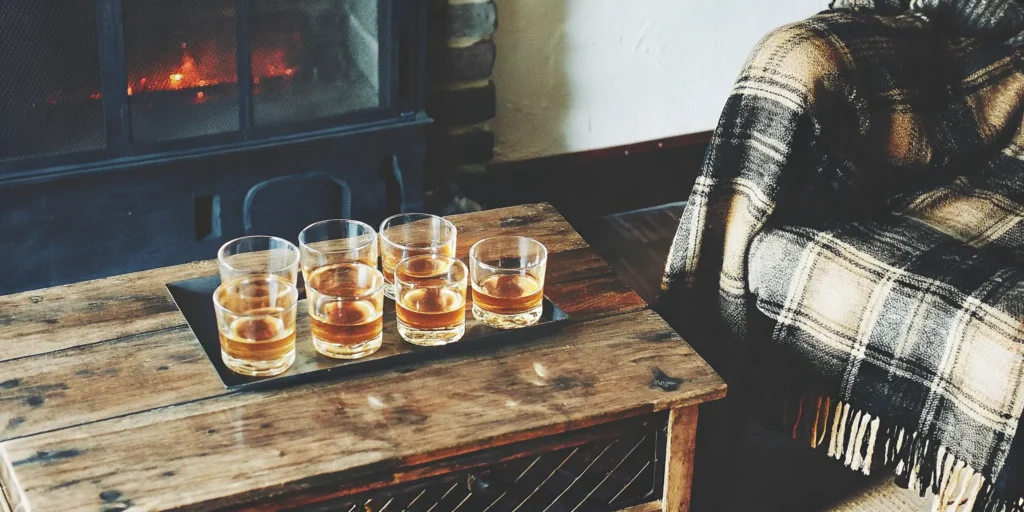
If your only experience with whiskey involves a harsh shot you’d rather forget, it’s time for a reintroduction. Whiskey can be smooth, sweet, and incredibly delicious—especially when you know what to look for. From bourbons with notes of caramel and vanilla to fun flavored options that taste like your favorite campfire dessert, the spirit is far more versatile than you might think. A good starting whiskey is one that feels welcoming, not intimidating. This guide is all about exploring the friendlier side of whiskey, helping you find a bottle that will completely change your perception of what this spirit can be.
Key Takeaways
- Prioritize Approachability Over Prestige: Your first whiskey should be easy to enjoy. Opt for smoother, sweeter styles like Bourbon, Irish whiskey, or fun flavored options to build your palate without the harshness of more intense spirits.
- Find Your Perfect Pour Through Experimentation: There’s no single right way to drink whiskey. Try it neat, with a splash of water, over a large ice cube, or in a simple cocktail to discover what you enjoy most.
- Drink What You Like, Not What You’re Told To: The best whiskey is the one that tastes good to you, regardless of price or popularity. Focus on identifying your personal preferences to build a confident and enjoyable whiskey journey.
What to Look for in Your First Whiskey
Walking into a liquor store and staring at a wall of whiskey can feel a little overwhelming. With so many types, regions, and ages, where do you even begin? The secret is that you don’t need to be an expert to find a whiskey you’ll love. It’s less about following old-school rules and more about knowing what characteristics make a spirit enjoyable for someone just starting out.
Forget the idea that you have to start with something smoky or intense to be a “real” whiskey drinker. The goal is to find a bottle that tastes good to you. The best starting whiskeys are often the ones that are easy to sip and don’t require a seasoned palate to appreciate. By focusing on a few key qualities—like smoothness, a touch of sweetness, and a manageable alcohol level—you can confidently pick a bottle that will make for a great first experience. Think of it as finding your personal preference, not passing a test.
Smoothness and approachability
When you hear someone describe a whiskey as “smooth,” they’re usually talking about the lack of a harsh, sharp bite. Some spirits, especially certain Scotches, have a strong smoky or peaty flavor that can be a lot to handle if you’re not used to it. For your first bottle, look for more approachable options that feel gentle and mellow from the first sip to the last. These whiskeys are often described as soft or refined, making them easy to enjoy without that overpowering burn. This quality makes the experience pleasant and encourages you to take another sip to explore the flavors.
Sweet flavor profiles
Many people find that whiskeys with a sweeter side are the easiest to get into. Flavors like caramel, vanilla, honey, and chocolate are familiar and comforting, making the spirit feel more welcoming. Bourbon is a fantastic starting point for this very reason; since it’s made from at least 51% corn, it has a natural sweetness that many beginners love. These sweeter notes can make the whiskey delicious on its own or when mixed into a simple cocktail, giving you a versatile bottle to experiment with as you figure out what you like.
Lower alcohol burn
Let’s be honest: the alcohol “burn” is what turns a lot of people away from whiskey. This sensation is directly related to the alcohol by volume (ABV), or proof. While some seasoned drinkers seek out high-proof, “cask strength” bottles, it’s a good idea to start with something milder. Look for whiskeys that are around 80 proof (40% ABV). This level gives you the full flavor of the spirit without the aggressive heat, allowing you to focus on the actual taste instead of bracing for the finish. You can always explore higher-proof options later on.
Balanced complexity
A great starter whiskey should be interesting but not complicated. You want something with enough character to keep you curious, but not so many competing flavors that your palate gets overwhelmed. Look for a whiskey with a nice balance—maybe a hint of sweetness, a touch of fruit, and a gentle spice. Versatility is also a huge plus. The best way to drink whiskey is however you like it, so find one that tastes great neat, with a little ice, or as the base for a simple cocktail. This flexibility lets you explore different ways of enjoying it.
The Best Types of Whiskey to Start With
Walking down the whiskey aisle can feel overwhelming. With so many bottles, regions, and styles, it’s hard to know where to begin. The good news is that certain types of whiskey are much more beginner-friendly than others. They tend to be smoother, sweeter, and less aggressive on the palate, giving you a gentle introduction to the spirit’s complex world. Think of these as your perfect starting lineup—each offers a unique flavor experience that can help you figure out what you truly enjoy.
Bourbon: The sweet starter
Bourbon is often the first stop for new whiskey drinkers, and for good reason. Made primarily from corn, it has a natural sweetness that makes it incredibly approachable. You’ll often find notes of caramel, vanilla, and a hint of oak, which are familiar and comforting flavors. Because it’s made in the U.S., it’s also widely available and affordable. A good introduction to bourbon will show you that it’s a versatile spirit, perfect for sipping on its own or mixing into simple cocktails like a Whiskey Ginger or an Old Fashioned. Its sweet, full-bodied character provides a solid foundation for understanding what whiskey can be.
Irish whiskey: Smooth and gentle
If the word you’re looking for is “smooth,” then Irish whiskey is your answer. It’s known for its exceptionally light and gentle profile, which is often a result of being distilled three times (compared to the typical two for Scotch). This extra step removes impurities, resulting in a cleaner, softer spirit. Irish whiskeys typically have a delicate, slightly fruity or floral character with hints of honey and spice. They lack the heavy smokiness found in some other whiskeys, making them a great choice for beginners who might be wary of a strong, overpowering taste. It’s incredibly easy to sip neat or with a single ice cube.
Blended Scotch: Mellow and refined
The world of Scotch can seem intimidating, with its talk of single malts and peat smoke. But blended Scotch is a much more welcoming entry point. As the name suggests, these are a mix of different whiskeys, crafted by a master blender to create a consistent, balanced, and smooth flavor profile. They are typically mellower and more well-rounded than their single malt counterparts, toning down any harsh or intense notes. This makes blended Scotch a great way to ease into the category and appreciate its subtle complexity without being overwhelmed. It’s a refined and elegant choice for your first taste.
Flavored whiskey: Sweet and approachable
Let’s be honest—sometimes the best way to get into something new is with a flavor you already know and love. Flavored whiskeys are a fantastic gateway for anyone curious about the spirit but not quite ready for a traditional profile. They take a quality whiskey base and infuse it with notes like honey, cinnamon, vanilla, or even s’mores. This approach softens the classic whiskey “burn” and adds a layer of sweetness and fun, making it instantly enjoyable. It’s the perfect way to build your confidence and palate while mixing up some truly delicious whiskey cocktails or simply sipping something delightful over ice.
6 Great Whiskeys to Try First
Ready to find your first favorite whiskey? The wall of bottles at the liquor store can be a lot to take in, but you don’t have to choose at random. We’ve put together a list of six fantastic whiskeys that are perfect for beginners. These options are known for being smooth, flavorful, and approachable, making them a great introduction to the world of whiskey without any of the harshness or intensity you might be worried about.
This list includes a little bit of everything—from a classic, sweet bourbon to a mellow Irish whiskey and some fun flavored options. The goal here isn’t to find the most complex or expensive bottle on the shelf; it’s to find something you’ll genuinely enjoy sipping. Think of these as your friendly starting points. Each one offers a different taste of what whiskey can be, helping you figure out what you like so you can explore with more confidence. Let’s get to it.
Mash & Mallow S’Mores Whiskey
If you love sweet, nostalgic flavors, this is the perfect place to start. Our Mash & Mallow S’Mores Whiskey was created to be fun, approachable, and incredibly delicious. It blends smooth American whiskey with the classic campfire tastes of toasted marshmallow, rich chocolate, and a hint of graham cracker. It’s a unique flavored whiskey that’s easy to sip on its own over ice or mix into simple, creative cocktails. For anyone new to whiskey, Mash & Mallow offers a friendly and memorable introduction that proves brown spirits can be anything but intimidating.
Buffalo Trace Bourbon
For those curious about traditional American whiskey, Buffalo Trace is a fantastic first bourbon. It’s widely loved for a reason: it’s incredibly smooth and carries a sweet, gentle character. You’ll find pleasant notes of vanilla, toffee, and a bit of candied fruit. Buffalo Trace is considered a highly approachable bourbon because it delivers that classic bourbon flavor without an aggressive alcohol burn, making it a welcoming and reliable choice for your first pour. It’s a great way to experience what makes bourbon so popular without feeling overwhelmed.
Jameson Irish Whiskey
Jameson is a household name, and its reputation is well-earned. As one of the most popular Irish whiskeys in the world, it’s known for being exceptionally mellow and balanced. Thanks to a triple-distillation process, it has a signature smoothness that makes it incredibly easy to drink, even for someone trying whiskey for the first time. It has a light, floral scent with hints of spicy and sweet notes. Because it’s so gentle, Jameson is a perfect option to try neat (that is, with no ice or mixers) to really appreciate its subtle character.
Monkey Shoulder Blended Scotch
The word “Scotch” can sometimes scare beginners away, as it brings to mind intense, smoky flavors. But Monkey Shoulder is here to change that perception. This blended malt Scotch is specifically crafted to be smooth, sweet, and well-rounded, making it an excellent entry point into the category. It’s rich with notes of vanilla, honey, and a touch of zesty orange. There’s no harsh, peaty smoke here—just a creamy, approachable flavor that works beautifully on its own or in cocktails. It’s a popular choice that shows how refined and mellow Scotch can be.
Jack Daniel’s Tennessee Honey
Flavored whiskeys are a fantastic gateway for anyone new to the spirit, and Jack Daniel’s Tennessee Honey is a classic example. It blends the iconic character of Jack Daniel’s Tennessee Whiskey with a sweet, smooth honey liqueur. The result is a drink that’s sweet without being overpowering, with a finish that’s naturally smooth. According to Liquor.com, options like this are an easy way to get used to brown spirits. It’s perfect for sipping over ice or mixing with lemonade or ginger ale for a simple, refreshing drink.
Crown Royal Vanilla
If you have a sweet tooth, Crown Royal Vanilla is another excellent choice. This whiskey is known for its signature smoothness, which is enhanced with the rich flavor of Madagascar Bourbon vanilla. The vanilla isn’t just a background note—it’s front and center, creating a creamy, decadent taste that’s incredibly easy to enjoy. It’s a great option for beginners because its sweet, familiar flavor profile makes it very approachable. Try it on the rocks or mixed with cola for a simple cocktail that tastes like a treat.
Tasting Notes to Look for as a Beginner
When you hear people talk about whiskey, you’ll often hear them mention “tasting notes.” This might sound a little fancy, but it’s just a way of describing the specific smells and flavors you can pick out in a drink. Think of it like describing the taste of coffee—you might notice hints of chocolate, nuts, or fruit. Whiskey is the same way. As a beginner, you don’t need to identify every single subtle flavor. The goal is to start recognizing the major categories of taste that you enjoy.
Learning to pick out these notes helps you understand your own preferences, making it easier to find other whiskeys you’ll love. It’s a skill that develops over time, so don’t worry if everything just tastes like “whiskey” at first. Start by looking for these common, beginner-friendly flavor profiles.
Sweet notes: caramel, vanilla, honey
Many of the most approachable whiskeys lead with sweetness, which makes them a fantastic starting point. These aren’t sugary in a cloying way, but rather have a rich, warm sweetness that comes from the grains and the aging process. Bourbon, which is made with at least 51% corn, is famous for these flavors. The time spent aging in charred oak barrels helps develop deep notes of caramel, vanilla, and honey. If you have a bit of a sweet tooth, whiskeys with these notes will feel familiar and comforting. It’s why our S’Mores Whiskey, with its notes of toasted marshmallow and chocolate, is such a hit with newcomers and seasoned drinkers alike.
Fruity flavors: apple, pear, dried fruits
Beyond the classic caramel and vanilla, you might also notice fruity notes in your glass. These can range from crisp green apple and pear to richer flavors like cherry or dried figs. Lighter styles, like many Irish whiskeys, are known for being smooth and carrying hints of vanilla and light fruit. These flavors often come from the specific yeast strains used during fermentation and the type of barrel the whiskey is aged in. If you enjoy ciders or white wines, you might find that whiskeys with a prominent fruity character are right up your alley. They’re often bright, refreshing, and work beautifully in simple whiskey cocktails.
Gentle spice: cinnamon, nutmeg
When we talk about “spice” in whiskey, we’re not talking about chili heat. Think more along the lines of warm baking spices like cinnamon, nutmeg, and clove. These notes add a layer of complexity that balances out the sweetness. You’ll often find these gentle spice notes in rye whiskeys and many bourbons. Some of the smoothest bourbons are called “wheated bourbons,” where wheat is used as a secondary grain instead of rye, softening the spice and making them especially easy to drink. This subtle warmth is what makes whiskey such a satisfying sipping experience, particularly on a cool evening.
What to avoid: overly smoky or peaty profiles
As you explore, you’ll eventually come across Scotch whiskies with strong, smoky flavors. This comes from peat, which is decomposed vegetation that’s burned to dry the malted barley. While many connoisseurs love these bold, earthy, and medicinal notes, they can be an acquired taste. For most beginners, a heavily peated Scotch can be overpowering and might not be the best first impression. It’s a good idea to start with smoother, sweeter profiles and work your way toward the smoky stuff later if you’re curious. Think of it as starting with milk chocolate before jumping straight to 90% cacao.
How to Taste Whiskey (The Right Way)
Ready to move beyond just taking shots? Tasting whiskey is less about strict rules and more about slowing down to appreciate what’s in your glass. It’s a simple process that helps you pick up on all the interesting flavors hiding in there, from sweet vanilla to our favorite campfire s’mores. You don’t need a special degree or a fancy vocabulary—just a glass, some whiskey, and a little curiosity. Following a few easy steps can completely change how you experience your drink, making it much more enjoyable and helping you figure out what you truly like.
Start with small sips
Your first sip of whiskey shouldn’t be a big gulp. The goal is to ease into it. When you take small sips, you give your palate a chance to adjust to the alcohol and the intensity of the flavors. Think of it as an introduction. This first tiny taste, sometimes called the “Kentucky Chew,” prepares your taste buds for the real experience. Swish it around for just a second before swallowing. You’ll notice that the second sip is much smoother and more flavorful because your mouth is now ready for it.
Use the right glassware
Believe it or not, the type of glass you use actually matters. A glass with a wide bowl and a narrower rim, like a Glencairn or even a simple tulip-shaped wine glass, helps concentrate the whiskey’s aromas. When the scents are funneled toward your nose, you get a much better sense of the whiskey’s character before you even taste it. If you don’t have a special whiskey glass, don’t sweat it. A standard rocks glass or lowball tumbler works just fine, especially if you plan on adding ice. The point is to use a glass that feels good in your hand and lets you easily swirl the liquid.
Observe color and aroma first
Before you taste, use your other senses. Hold the glass up to the light and take a moment to observe the color and aroma. The color can give you subtle hints about how it was aged. Then, give the glass a gentle swirl to release the aromas. Instead of sticking your nose right into the glass (which will give you a big whiff of alcohol), bring it slowly toward you and breathe in gently. See what you can pick up. With a spirit like Mash & Mallow S’Mores Whiskey, you might notice hints of chocolate, toasted marshmallow, and sweet graham cracker.
Let it linger on your palate
Now for the best part. Take a slightly larger sip, but don’t swallow it right away. Let the whiskey linger on your palate and roll it around your tongue. This gives your taste buds time to register all the different flavors. Notice how it feels in your mouth—is it creamy, warm, smooth? Try to identify the different notes you’re tasting. Does the initial flavor change after a few seconds? This is where the complexity of the whiskey really shines. When you finally swallow, pay attention to the finish—the lingering taste it leaves behind.
Add water or ice if needed
There is absolutely no shame in adding a little something to your whiskey, especially when you’re starting out. In fact, many experts do it. Adding a few drops of water can soften the strong alcohol taste and open up the spirit, revealing more subtle flavors that were hiding behind the burn. If you prefer your drink chilled, add a large ice cube or sphere. It will melt slower and dilute your drink less than smaller cubes. The goal is to enjoy your whiskey, so feel free to experiment until you find the perfect way to drink it for you.
Neat, on the Rocks, or in a Cocktail? How to Drink Your Whiskey
Once you’ve chosen your first bottle of whiskey, the next question is how to actually drink it. You might have seen characters in movies order it a specific way, but don’t let that intimidate you. There is no single “right” way to enjoy whiskey; the best method is simply the one you like the most. Your preference might even change depending on your mood or the specific whiskey you’re pouring.
The three most common ways to drink whiskey are neat, on the rocks, or mixed into a cocktail. Each one offers a different experience and highlights different characteristics of the spirit. Trying all three is a great way to figure out what works for you. Think of it as an experiment to find your perfect pour. We’ll walk through each option so you can feel confident placing your next order or pouring a glass at home.
Neat vs. on the rocks
Drinking whiskey “neat” means you’re drinking it straight, with nothing added—no ice, no water, no mixers. It’s served at room temperature, which allows you to experience the full, unaltered range of aromas and flavors the distiller intended. For many seasoned whiskey drinkers, this is the purest way to appreciate a quality spirit.
“On the rocks,” on the other hand, means your whiskey is served over ice. The ice chills the drink, which can dull some of the more intense alcohol notes and make it feel smoother and more refreshing. As the ice melts, it also adds a bit of water, which can further soften the flavor. If you find the taste of straight whiskey a bit strong at first, trying it on the rocks is a great starting point.
Adding a splash of water
If drinking whiskey neat feels too intense but you don’t want the chilling effect of ice, adding a few drops of water is the perfect middle ground. This is a technique used by master blenders and connoisseurs around the world. A small splash of water can change the chemical makeup of the whiskey, softening the alcohol burn and opening up a new layer of subtle flavors and aromas that might have been hidden. Just add a few drops, give the glass a swirl, and take a sip. You might be surprised by how much it changes the experience.
Simple whiskey cocktails to try
If drinking it straight is still too much, don’t worry. Cocktails are a fantastic and fun way to get familiar with whiskey’s character. Simple, classic drinks like a Whiskey Sour or an Old Fashioned are designed to complement the spirit, not mask it.
Using a flavored whiskey like Mash & Mallow S’Mores is an even better way to ease in. Its notes of chocolate, marshmallow, and graham cracker are perfect for mixing. You can try it in a creative S’mores Old Fashioned or simply mix it with cola or root beer for an easy, delicious drink. For more inspiration, check out some fun and easy whiskey cocktail recipes that are perfect for beginners.
Why Flavored Whiskey is a Great Starting Point
If the thought of sipping a straight bourbon feels a little intense, you’re not alone. Traditional whiskey can have a steep learning curve, but that doesn’t mean you have to miss out on all the fun. Flavored whiskeys are the perfect entry point, offering a more approachable and playful way to get acquainted with this classic spirit. They take the complex character of whiskey and pair it with familiar, delicious notes, making your first foray into tasting both easy and enjoyable. Think of it as whiskey with a friendly tour guide.
Your gateway to traditional whiskeys
Flavored whiskeys are a fantastic way to ease into the world of whiskey. Their often sweeter profiles soften the strong, oaky notes that can be overwhelming for a new drinker. By starting with something like a s’mores-flavored whiskey, you can get comfortable with the underlying warmth and character of the spirit in a more familiar context. This experience helps bridge the gap to traditional options, training your palate to recognize the nuances of whiskey without the initial intensity. It’s a low-pressure way to start your journey.
Perfect for cocktail experimentation
One of the best things about flavored whiskey is its versatility in drinks. It’s practically made for creative mixing. You can add a unique twist to a classic recipe or invent something entirely new. A flavored whiskey can simplify your cocktail-making process since it already brings so much character to the glass. Instead of feeling intimidated by complex recipes, you can have fun playing with simple mixers. For some great ideas, you can check out our list of cocktails that are easy to make and even easier to enjoy.
How to balance sweet flavors with mixers
When you’re mixing with a sweeter spirit, the key is balance. You don’t want to create a drink that’s overwhelmingly sugary. Instead, think about mixers that complement the whiskey’s flavor profile. Citrus is a great choice—a squeeze of fresh lemon or lime can cut through the sweetness and add a bright, refreshing note. Unsweetened mixers like soda water, ginger ale, or even cold brew coffee can also create a delicious, well-rounded drink. The goal is to enhance the whiskey’s flavor, not mask it.
Build your confidence in whiskey tasting
Starting with flavors you already know and love is a great way to build your tasting confidence. When you sip a s’mores whiskey, you can easily pick out the notes of chocolate, marshmallow, and graham cracker. This practice helps you become more attuned to identifying different flavors in a spirit. As you get more comfortable, you’ll start noticing the more subtle whiskey notes in the background. This process makes tasting feel less like a test and more like an exploration, preparing you to eventually appreciate the complex profiles of traditional bourbons, ryes, and scotches when you’re ready.
New to Whiskey? Avoid These Common Pitfalls
Getting into whiskey is a fun adventure, but it’s easy to get tripped up by a few common mistakes. Think of this as your friendly guide to sidestepping those early blunders. Learning what not to do is just as important as learning what to do, and it will make your entire experience much more enjoyable from the very first sip. The world of whiskey can sometimes feel intimidating, with its own language, traditions, and unwritten rules. But at its heart, it’s just about finding a drink you love. Whether you’re pouring it neat, on the rocks, or in a creative cocktail, the goal is always enjoyment. To help you get there faster, we’ve put together a list of the most common pitfalls new whiskey drinkers face. By keeping these in mind, you can skip the trial-and-error phase and move right into discovering your new favorite drink with confidence. We’ll talk about the importance of patience in tasting, why simple is often better for cocktails, and how your personal taste is the only thing that truly matters. Forget the pressure to become an instant expert. This is about exploration and fun. By avoiding these few simple missteps, you’ll be well on your way to understanding what you like and why you like it, making every glass a better experience than the last.
Rushing the tasting process
It’s tempting to pour a glass and take a big gulp, but whiskey is made for savoring. Before you even think about adding ice, give it a try neat. Adding ice right away can chill the spirit too much, which dulls the complex flavors the distillers worked so hard to create. Pour a small amount, give it a gentle swirl in the glass, and bring it to your nose to take in the aroma. Then, take a tiny sip and let it rest on your tongue for a few seconds. This simple process lets you pick up on all the unique notes, from toasted marshmallow to smooth chocolate, without overwhelming your palate. Patience is key here.
Overcomplicating cocktail recipes
When you’re excited about a new whiskey, you might want to mix it with everything in your fridge. But the best cocktails often let the whiskey be the star. Instead of throwing a dozen ingredients into a glass, start with simple recipes that use just two or three components. A great whiskey should be complemented, not covered up. For a spirit with a distinct profile like Mash & Mallow, a simple mix like adding it to hot chocolate or pairing it with a quality cream soda works beautifully. You can find plenty of straightforward and delicious cocktail ideas that are easy to make and let the whiskey’s character shine through.
Using poor-quality mixers
Your mixer makes up a huge part of your drink, so don’t let it be an afterthought. Using a flat soda, a watery tonic, or a sugary, artificial juice can completely ruin the taste of a good whiskey. It’s like putting cheap tires on a luxury car—it just doesn’t make sense. If you’re making a cocktail, opt for quality ingredients. Think fresh-squeezed citrus, a craft ginger beer with a real kick, or premium tonic water. The better your mixers, the better your final drink will taste. It’s a simple switch that makes a world of difference and shows respect for the spirit you’re drinking.
Following trends instead of your personal taste
Don’t let anyone tell you there’s a “right” way to drink whiskey. The whiskey world can sometimes feel a bit stuffy, with unwritten rules and trends about what’s “good.” But the most important rule is to drink what you enjoy. If you love the sweet, nostalgic flavor of a s’mores whiskey, own it! Your taste is your own, and the goal is to find what brings you joy, not to impress someone else. Forget the snobbery. The best whiskey for you is the one you genuinely like to drink, whether it’s a rare single malt or a fun, flavored spirit shared with friends.
Spending too much on expensive bottles
You don’t need to spend a fortune to find a fantastic whiskey. In fact, when you’re just starting, it’s better not to. There are so many high-quality, affordable whiskeys that are perfect for beginners. Starting with an approachable and reasonably priced bottle lets you explore different flavor profiles without a huge financial commitment. You can learn just as much from a $30 bottle as you can from a $100 one, especially early on. Find a few favorites in a comfortable price range before you decide to splurge on something more expensive. Great taste doesn’t have to come with a hefty price tag.
How to Develop Your Palate and Find Your Favorites
Finding the whiskey you love is a personal journey, not a test. The goal is to discover what you enjoy, so forget what you think you should like. Here are a few steps to pinpoint your favorites.
Start with sweeter, flavored options
Jumping straight into a smoky Scotch can be intense. Instead, ease your way in with sweeter profiles. Bourbon is a popular starting point because its corn base gives it a natural sweetness with notes of caramel and vanilla. Flavored whiskeys, like our S’Mores Whiskey, take this a step further with a familiar taste that’s incredibly approachable. Starting sweet helps you get accustomed to the spirit’s character without being overwhelmed, making the experience more enjoyable from the first sip.
Try different brands within the same type
Once you find a style you enjoy, the best way to refine your palate is to explore different options within that category. If you like Mash & Mallow, try other dessert-inspired whiskeys. If bourbon is your thing, pick up a couple of different brands to compare. This helps you notice the subtle differences in aroma, taste, and finish. You’ll start to identify what specific notes you prefer, which is key to finding a go-to bottle you’ll always enjoy.
Keep simple tasting notes
You don’t need a fancy journal to track your whiskey journey—just use the notes app on your phone. When you try something new, jot down its name and a few simple thoughts. Did you like it? Was it sweet, spicy, or smooth? What did it remind you of? There are no right or wrong answers. This simple habit helps you remember what you’ve tried and enjoyed, so you can trust your own taste and make smarter choices next time you’re at the store.
Experiment with cocktails and neat pours
Don’t feel pressured to drink your whiskey neat from day one. Many seasoned drinkers add a splash of water or an ice cube to open up the flavors. Cocktails are also a fantastic way to appreciate a whiskey’s character in a more balanced format. If drinking it straight feels like too much, try a simple drink like a Whiskey Sour. Flavored whiskeys are especially fun to play with. Check out some of our favorite cocktail recipes to see how versatile a sweet, smooth whiskey can be.
Related Articles
- 10 Best Whiskeys to Drink Straight for Beginners
- Whiskey Drinking for Beginners: The Ultimate Guide
- The Best Whiskey for Beginners to Drink Straight
- 12 Smooth Whiskey Brands Perfect for Beginners
Frequently Asked Questions
Do I really have to drink whiskey straight to appreciate it? Absolutely not! The best way to drink whiskey is however you enjoy it most. Starting with it “on the rocks” (with ice) or in a simple cocktail is a great way to get used to the flavors without feeling overwhelmed. Many experienced drinkers even add a splash of water to soften the taste. The goal is to find what works for you, not to follow some old-school rule.
I’m confused. Isn’t bourbon just a type of whiskey? You’ve got it exactly right. Think of it like this: all bourbon is whiskey, but not all whiskey is bourbon. Whiskey is the broad category for spirits made from fermented grain mash. Bourbon is a specific type of American whiskey that has to follow certain rules, like being made from at least 51% corn, which gives it that signature sweetness many beginners love.
Is flavored whiskey considered “cheating” or not real whiskey? Not at all! Flavored whiskey is made with a real whiskey base, so you’re still getting that authentic character. It’s just infused with other natural flavors to make it more approachable and fun. Think of it as a creative and delicious entry point that helps you get comfortable with the spirit’s profile before you try more traditional options.
How do I get past the strong alcohol taste or “burn”? That initial intensity is something most people experience. The key is to start with smoother, lower-proof options, which are typically around 40% ABV or 80 proof. Also, take very small sips at first to let your palate adjust. Adding a large ice cube or a splash of water can also significantly soften that sharp edge, allowing you to focus on the actual flavors in the glass.
Do I need to buy an expensive bottle to get a good whiskey? Definitely not. There are so many fantastic and affordable whiskeys that are perfect for getting started. You don’t need to spend a lot of money to find something smooth and flavorful. It’s actually better to start with a reasonably priced bottle so you can explore different styles without a big investment. Great taste doesn’t have to come with a high price tag.
