
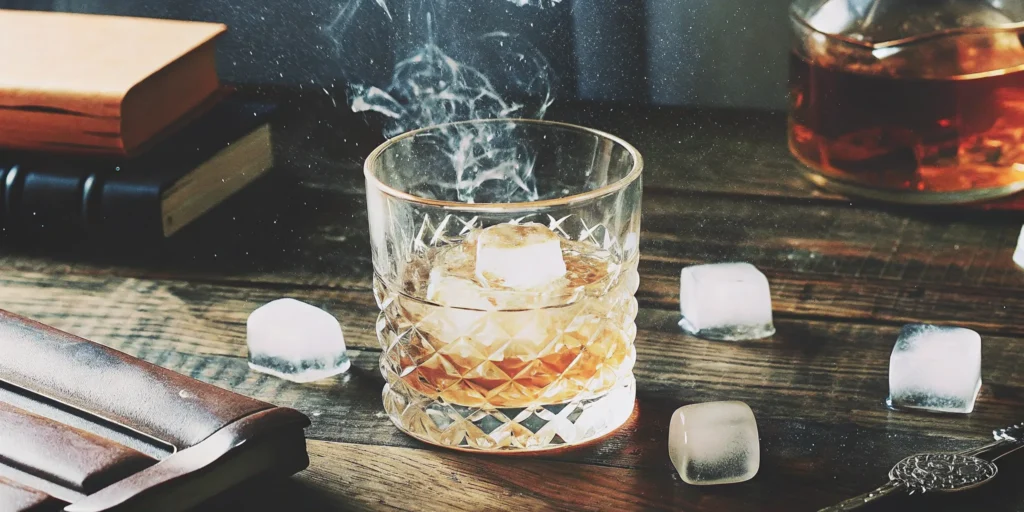
Many people believe that “real” whiskey drinkers only take it neat. Let’s clear that myth up right now. Even the master distillers who craft the spirits often add water during their own tasting process to properly assess the flavors. It’s a professional technique that you can easily use at home. Adding water isn’t a sign of weakness; it’s a sign of curiosity. It shows you’re interested in experiencing everything the whiskey has to offer, from its initial bold punch to its more delicate, nuanced notes. We’ll break down how to drink whiskey with water the right way, so you can taste your drink with the confidence of an expert.
For WordPress Implementation:
Copy and paste this code into your blog post HTML editor:
<style>
.cta-button {
    display: inline-block;
    padding: 12px 30px;
    background: transparent;
    color: white;
    text-decoration: none;
    font-family: Arial, sans-serif;
    font-size: 16px;
    font-weight: bold;
    text-transform: uppercase;
    letter-spacing: 1px;
    border: 2px solid white;
    border-radius: 8px;
    transition: all 0.3s ease;
    text-align: center;
    cursor: pointer;
    margin: 20px 0;
}

.cta-button:hover {
    background: #D4AF37;
    color: white;
    border-color: #D4AF37;
    transform: translateY(-2px);
    box-shadow: 0 4px 12px rgba(212, 175, 55, 0.3);
}

.cta-container {
    text-align: center;
    margin: 30px 0;
}
</style>

<div class="cta-container">
    <a href="https://www.mashandmallow.com/buy-mash-mallow-smores-flavored-whiskey/" class="cta-button">
        BUY NOW
    </a>
</div>
Key Takeaways
- Water Reveals Flavor, It Doesn’t Ruin It: Adding a few drops of water isn’t about weakening your drink. It’s a technique to soften the alcohol’s intensity, allowing subtle notes of spice, fruit, and vanilla to emerge from behind the initial heat.
- Go Slow to Find Your Sweet Spot: The perfect amount of water is a personal preference. Start by tasting your whiskey neat, then add room-temperature water just a drop at a time, tasting after each addition until you find the balance you love.
- Your Drink, Your Rules: There is no single “correct” way to enjoy whiskey. The goal is to find what you like, so feel free to experiment. Whether you prefer it neat or with a splash of water, the best method is always the one that tastes great to you.
Why Add Water to Your Whiskey?
The idea of adding water to a perfectly good glass of whiskey might sound a little strange. After all, why would you want to dilute something that distillers have spent years perfecting? But here’s a little secret shared by whiskey experts and master blenders: a few drops of water can actually transform your drink for the better. It’s not about watering it down; it’s about opening it up.
Adding water is a simple technique that can soften the alcohol’s intensity and unlock a whole new world of subtle aromas and flavors hiding in your glass. Think of it as turning the key to a locked room full of complex notes you might otherwise miss. It’s a fantastic way to explore the depth of any whiskey, from a peaty Scotch to a sweet and smooth spirit like our Mash & Mallow S’mores Whiskey. Let’s get into the three main reasons why a splash of H2O can make your whiskey experience even better.
Reveal Hidden Flavors
One of the most compelling reasons to add water is to discover the hidden character of your whiskey. When whiskey is bottled at a high proof, the alcohol molecules can tightly cluster together, trapping many of the delicate flavor and aroma compounds. Adding a few drops of water causes a gentle reaction that breaks these clusters apart, releasing those wonderful, nuanced scents into the air and onto your palate. As the experts at Arran Whisky note, adding water can actually make certain whisky flavors stronger, not just dilute them. You might suddenly notice notes of vanilla, fruit, or spice that were completely hidden before.
Tame the Alcohol Burn
Have you ever taken a sip of whiskey and felt a sharp, burning sensation that overpowered everything else? That’s the alcohol at work, and while some enjoy that intensity, it can also numb your taste buds and prevent you from appreciating the spirit’s full flavor profile. A little water is the perfect solution. It gently lowers the alcohol by volume (ABV), smoothing out the rough edges. According to Copenhagen Distillery, adding a little water makes the alcohol less strong, so it doesn’t feel as “burning” on your tongue. This allows the underlying flavors—like chocolate, marshmallow, and graham cracker in our whiskey—to come forward without having to compete with that alcoholic bite.
Make Strong Whiskeys Easier to Sip
If you’re exploring high-proof or “cask strength” whiskeys, water is practically essential. Cask strength means the whiskey is bottled at the same proof it was aged at in the barrel, without being diluted first. This can result in an ABV of 55% or higher, which can be quite intense for sipping. In fact, many distillers taste their spirits with a bit of water to properly assess the flavors. For these powerful spirits, you will likely want to add some water to make it more enjoyable and bring the proof down to a more approachable level. It’s not about weakening the whiskey but about balancing it so you can comfortably sip and savor every complex note.
How to Add Water to Whiskey the Right Way
Adding water to whiskey isn’t just about splashing some in from the tap. It’s a bit of a science and an art, but don’t worry—it’s one you can easily master. The goal is to gently coax out new aromas and flavors without drowning the spirit. By following a few simple steps, you can control the tasting experience and discover exactly how you prefer to enjoy your favorite bottle, whether it’s a peaty scotch or a sweet and toasty flavored whiskey. Think of it as a fun experiment where you get to be the scientist, and the delicious result is your reward.
A Simple Step-by-Step Guide
Ready to give it a try? Here’s a straightforward way to add water to your whiskey. First, pour about two ounces of whiskey into a glass. A tulip-shaped glass is ideal because it helps concentrate the aromas right under your nose. Before adding anything, give it a sniff and take a small sip to establish a baseline. This is your “control” in the experiment. Next, using a water dropper, straw, or even a teaspoon, add just one or two drops of water. Give the glass a gentle swirl to let it mix, and then let it sit for a minute. Now, taste it again. You’ll likely notice a change in both the scent and the flavor.
Find Your Perfect Water-to-Whiskey Ratio
The most important thing to remember is that there is no single “correct” ratio. The perfect amount of water depends entirely on your personal taste and the specific whiskey you’re drinking. A high-proof, cask-strength whiskey might need a bit more water to tame the alcohol burn, while a smoother, lower-proof spirit like our Mash & Mallow S’mores Whiskey may only need a single drop to open up. The key is to add water very slowly, just a few drops at a time, and taste after each addition. Keep going until you hit that sweet spot where the flavors feel most vibrant and balanced to you.
The Best Tools for the Job
You don’t need a fancy lab kit to add water to whiskey like a pro. The most important tool is something that allows you to add water in small, controlled amounts. A simple glass pipette or a water dropper works perfectly. If you don’t have one, a regular drinking straw is a great substitute—just dip the end in water, place your finger over the top to trap a few drops, and release it into your glass. Even a small spoon can work. As for the water itself, the best choice is usually the water you drink every day, whether it’s filtered or bottled. Since you’re already familiar with its taste, it won’t interfere with the whiskey’s profile.
Does Water Temperature Matter?
Yes, temperature makes a big difference. You should always use room temperature or slightly cool water. Avoid using ice-cold water or adding ice cubes directly to your whiskey when you’re trying to taste its nuances. The extreme cold can numb your taste buds and mute the very aromas and flavors you’re trying to release. The goal of adding water is to open up the whiskey, but chilling it too much has the opposite effect, causing the aromatic compounds to tighten up. Sticking with room-temperature water ensures you get the full, intended experience.
Let Your Whiskey Rest for a Moment
Patience is part of the process. After you add a few drops of water and give it a swirl, let the whiskey sit for a minute or two. This brief resting period gives the water time to fully integrate with the whiskey, sparking chemical reactions that release new aromatic compounds. You might notice the aroma changing even as it sits in the glass. This small pause allows the flavors to settle and evolve, giving you a more complete picture of the whiskey’s character. Rushing the process means you might miss out on some of the subtle notes that make each sip interesting.
What Kind of Water Should You Use?
You might be surprised to learn that the type of water you add to your whiskey can make a difference. But don’t worry, you don’t need to import a special bottle from a Scottish spring to get it right. The goal is to use clean, neutral water that lets the whiskey’s character shine through. Most of the time, the water you already drink every day is the perfect choice. The key is to avoid anything with strong flavors of its own, like heavily chlorinated tap water, which can interfere with the delicate notes in your glass. Think of it this way: you want the water to be a quiet supporting actor, not the star of the show. It’s there to help the whiskey present its best self, not to steal the spotlight. By choosing the right water, you ensure that every sip is a true reflection of the spirit’s craftsmanship.
Spring vs. Filtered Water
If you want to get serious about your tasting, some experts recommend using spring water, ideally from the same region as the whiskey. The idea is that the similar mineral content will complement the spirit’s original profile. While that’s a fun detail for dedicated enthusiasts, it’s not a requirement for enjoying your drink. For most of us, simple filtered water from your fridge or a quality bottled water is an excellent choice. It’s neutral, clean, and won’t introduce any unwanted flavors, ensuring you taste the whiskey, not the water. The most important thing is consistency and purity.
Why the Quality of Your Water Matters
The main reason water quality is important is that you want a neutral baseline. Using the same filtered or spring water you drink daily helps your palate ignore the taste of the water itself and focus entirely on the whiskey. Your brain is already familiar with its taste, so it can easily set it aside. It’s also helpful to remember that most distilleries already add water to their whiskey before bottling to bring it to the right proof and perfect its flavor. You’re simply continuing a process the experts started, tailoring the final product to your personal preference.
Types of Water to Avoid
The biggest thing to steer clear of is tap water that has a noticeable taste or smell, especially chlorine. Chlorine is added to municipal water to disinfect it, but it can react with the compounds in whiskey and create off-putting flavors. If your tap water has a strong chemical taste, it’s best to skip it. Instead, reach for filtered water, or even make ice cubes from distilled or spring water if you plan on enjoying your whiskey on the rocks. This simple step ensures a clean, pure tasting experience every time you pour a glass.
Pairing Water to Your Whiskey
Adding water is all about personalizing your drink. For a bold, high-proof spirit, a few drops can soften the alcohol burn and make it more approachable. For a complex, flavorful spirit like our S’Mores Whiskey, water can actually open up the profile, toning down the initial sweetness and allowing the subtle notes of toasted marshmallow and graham cracker to come forward. It’s a great way to explore how different flavors interact and find the balance that tastes best to you. Experimenting is part of the fun, so try a splash in one of our creative cocktails to see how it changes the drink.
What to Expect When You Add Water
Adding a few drops of water to your whiskey is like turning up the lights in a dimly lit room—suddenly, you can see all the details you were missing before. It’s not about watering it down; it’s about opening it up. This simple act can completely transform the tasting experience by changing the aroma, revealing new flavors, and softening the alcoholic punch. The key is understanding what’s happening in your glass and knowing how to approach it. Think of it as a fun experiment where you get to be the scientist. Let’s walk through what you can expect when you introduce a little water to your favorite whiskey.
How the Aroma Opens Up
This is where the magic really starts. When whiskey is at a high proof, the alcohol molecules can be a bit overpowering, masking the more delicate scents. Adding a splash of water lowers the alcohol concentration and causes a chemical reaction that pushes flavor-rich compounds called esters to the surface of the liquid. This process is what whiskey experts call “opening up” the spirit. Give your glass a gentle swirl after adding a drop or two. You’ll likely notice the sharp scent of alcohol fades, making way for a richer, more complex bouquet. Notes of fruit, spice, vanilla, or smoke that were hiding in the background can now step into the spotlight.
New Flavors to Discover
That beautiful new aroma almost always translates to the palate. By taming the alcohol burn, water gives your taste buds a chance to perceive the subtler flavors in the whiskey. A spirit that might have tasted hot or one-dimensional when neat can suddenly reveal layers of complexity. You might pick up on sweet notes of caramel and honey, the nuttiness from the oak barrel, or the specific grain characteristics. For a flavored whiskey like our Mash & Mallow S’Mores Whiskey, a little water can soften the initial sweetness and bring forward the toasted marshmallow or rich chocolate notes in a whole new way. It’s a fantastic method for exploring the full spectrum of what a whiskey has to offer.
How Different Whiskeys React
It’s important to remember that this isn’t a one-size-fits-all trick; every whiskey is unique and will react to water differently. High-proof and cask-strength whiskeys are often the best candidates for a splash of water. Their intense, concentrated flavors can handle the dilution, and the water helps make their high alcohol content more approachable and enjoyable. On the other hand, a lower-proof, more delicate whiskey might not need any water at all. Adding too much could thin it out and wash away its character. The fun lies in the experimentation. Try adding water to a bold rye, a smoky Scotch, and a sweet bourbon to see how each one transforms.
Your Tasting Checklist
Ready to try it for yourself? Following a simple process will help you find the perfect balance for your palate. This isn’t about rules, it’s about finding what you enjoy most.
- Taste it Neat: Always start by pouring a small amount and tasting the whiskey as is. Get a baseline for its aroma and flavor profile.
- Add Water Slowly: Use a water dropper, a straw, or a teaspoon to add just a few drops of water. You can always add more, but you can’t take it out.
- Swirl and Sniff: Gently swirl the glass to mix the water and whiskey. Let it rest for a moment, then bring it to your nose and see what new aromas you can detect.
- Sip and Assess: Take a small sip. Is it better? Have new flavors appeared? Is the texture different?
- Repeat if Needed: If you think it could use more, add another drop or two and repeat the process until you hit that sweet spot. This methodical approach to tasting ensures you don’t accidentally over-dilute your drink.
Common Whiskey and Water Myths, Busted
When it comes to whiskey, there are a lot of strong opinions out there. But the truth is, there are no hard-and-fast rules you have to follow. Let’s clear up some of the most common myths about adding water to your whiskey so you can feel confident enjoying your drink exactly how you like it.
Myth: Water Ruins Good Whiskey
This is probably the most common misconception, and it’s simply not true. Adding a few drops of water doesn’t dilute the experience—it can actually enhance it. Water can help open up the whiskey, releasing more aromatic compounds that might otherwise stay hidden. This chemical reaction can soften the alcohol’s intensity and allow more subtle notes of vanilla, caramel, or spice to come forward. Instead of ruining the whiskey, a little water can reveal a whole new layer of complexity and make the flavors more vibrant and enjoyable.
Myth: “Real” Drinkers Don’t Add Water
Let’s get one thing straight: there’s no “right” way to drink whiskey. The idea that true enthusiasts only drink it neat is just gatekeeping. Your palate is your own, and the goal is to enjoy what’s in your glass. Some people prefer the bold, full-strength character of a neat pour, while others find that a splash of water makes it more pleasant. Whether you like it neat, with water, on the rocks, or in one of our creative cocktails, the best way to drink whiskey is the way that tastes best to you.
Myth: Any Amount of Water Will Do
While water can be a great addition, it’s all about moderation. Dousing your whiskey will definitely water it down and mute the flavors you’re trying to explore. The key is to add water very slowly, just a few drops at a time. Use a straw or a water dropper to have full control. After adding a drop or two, give the glass a gentle swirl and take a sip. You’ll be surprised how much of a difference even a tiny amount can make. The goal is to find the perfect balance that suits your taste, not to drown the spirit.
The Final Rule: It’s Your Drink, Your Way
At the end of the day, how you enjoy your whiskey is a personal choice. Don’t let anyone tell you you’re doing it wrong. Your preferences might even change over time or from one whiskey to another. The best approach is to experiment. Try a sip of Mash & Mallow S’mores Whiskey neat to get a feel for its rich chocolate and marshmallow notes. Then, add a single drop of water and see how it changes. You might find you prefer it one way over the other, and that’s perfectly fine. It’s your drink, so make it your way.
Related Articles
- 5 Ways to Drink Whiskey: The Ultimate Guide
- How to Drink Whiskey for Beginners: Step-by-Step
- How to Drink Whiskey on the Rocks: The Ultimate Guide
For WordPress Implementation:
Copy and paste this code into your blog post HTML editor:
<style>
.cta-button {
    display: inline-block;
    padding: 12px 30px;
    background: transparent;
    color: white;
    text-decoration: none;
    font-family: Arial, sans-serif;
    font-size: 16px;
    font-weight: bold;
    text-transform: uppercase;
    letter-spacing: 1px;
    border: 2px solid white;
    border-radius: 8px;
    transition: all 0.3s ease;
    text-align: center;
    cursor: pointer;
    margin: 20px 0;
}

.cta-button:hover {
    background: #D4AF37;
    color: white;
    border-color: #D4AF37;
    transform: translateY(-2px);
    box-shadow: 0 4px 12px rgba(212, 175, 55, 0.3);
}

.cta-container {
    text-align: center;
    margin: 30px 0;
}
</style>

<div class="cta-container">
    <a href="https://www.mashandmallow.com/buy-mash-mallow-smores-flavored-whiskey/" class="cta-button">
        BUY NOW
    </a>
</div>
Frequently Asked Questions
Why should I add water to a flavored whiskey like Mash & Mallow? That’s a great question! With a flavored whiskey, you might think all the character is right there on the surface. But adding a single drop of water can actually help balance the spirit. It can soften the initial sweetness just enough to let the more subtle, toasty notes of marshmallow and graham cracker come through more clearly. Think of it as fine-tuning the flavor to your personal preference.
Is it possible to add too much water? Yes, you definitely can. If you add too much, the whiskey will start to taste thin and washed out, and you’ll lose the rich character you were trying to explore in the first place. That’s why the key is to go incredibly slow. Start with just one or two drops, give it a swirl, and taste. You can always add another drop, but you can’t take any away.
What’s the real difference between adding a little water and adding an ice cube? They accomplish two very different things. Adding a few drops of room-temperature water is meant to trigger a chemical reaction that opens up the whiskey’s aromas and flavors. Adding ice, however, primarily chills the drink. That cold temperature can actually numb your palate and mute the very flavors you’re trying to discover. If your goal is to taste the spirit’s complexity, stick with water; if you just want a cold, refreshing drink, go for the ice.
Does this water trick work for every single type of whiskey? Not always in the same way. This technique is most effective for high-proof or cask-strength whiskeys, as the water helps tame their intense alcohol burn and unlocks their concentrated flavors. For lower-proof or more delicate whiskeys, you might find they don’t need any water at all, or that even a single drop is enough. The best approach is to experiment and see what works for the specific bottle you have in front of you.
Do I really need a special water dropper to do this correctly? Absolutely not! While a dropper or pipette gives you great control, you can easily get the same result with things you already have in your kitchen. A regular drinking straw is perfect—just dip the end into a glass of water, cover the top with your finger to trap a few drops, and release it into your whiskey. Even a small teaspoon will work. The tool isn’t what’s important; the slow, controlled approach is.
