
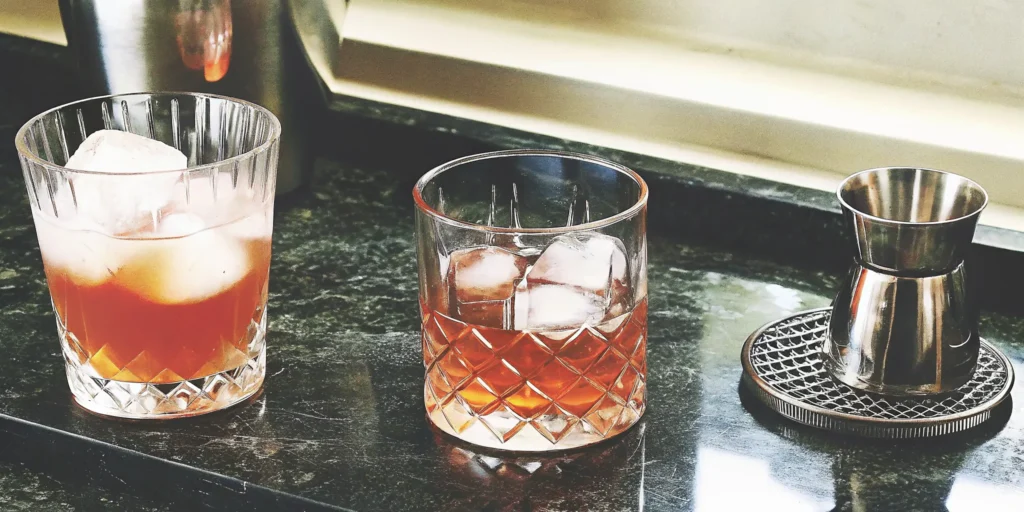
A great bottle of bourbon holds a whole spectrum of flavors, from sweet caramel and vanilla to rich oak and spice. But how much of that you actually taste depends entirely on how you pour it. The temperature, the shape of the glass, and a splash of water all act as dials, turning certain notes up and others down. Learning how to serve bourbon isn’t about following rigid rules—it’s a personal exploration of flavor. I’ll walk you through the different serving styles so you can experiment and find the perfect setup for your palate, whether you’re sipping a classic spirit or a fun flavored whiskey.
Key Takeaways
- Your serving method shapes the flavor: Enjoy bourbon neat to taste its pure character, add a large ice cube for a chilled and smoother drink, or use a splash of water to soften the alcohol and reveal subtle notes.
- Glassware and temperature are key to your tasting: Use a tulip-shaped glass to concentrate aromas for neat pours and serve bourbon near room temperature to appreciate its full complexity without any harshness or muted flavors.
- A simple tasting ritual makes all the difference: Let your bourbon rest for a few minutes after pouring to allow the aromas to open up, then take time to observe the color, smell the scents gently, and take small sips to identify the distinct flavors.
What Makes a Whiskey a Bourbon?
Ever wondered what separates bourbon from any other whiskey on the shelf? It’s not just a name—it’s a set of rules. Think of it like a recipe that distillers must follow to earn the title. To be legally called bourbon, a whiskey has to meet specific production requirements that give it its signature character. These standards ensure that every bottle delivers a certain quality and flavor profile that is distinctly American. Understanding these rules helps you appreciate the craftsmanship in every sip, whether you’re enjoying a traditional spirit or a creative twist on the classic.
The Legal Definition of Bourbon
For a whiskey to be called bourbon, it must be made in the United States from a grain mixture, or “mash bill,” that is at least 51% corn. This high corn content is what gives bourbon its trademark sweetness. After distillation, the spirit must be aged in new, charred oak barrels, and it can’t be distilled to more than 160 proof (80% alcohol by volume). These aren’t just suggestions; they are strict legal requirements that define bourbon and set it apart from other whiskeys like rye, scotch, or Tennessee whiskey. These rules are the foundation of bourbon’s identity.
The 51% Corn Rule
The 51% corn rule is the cornerstone of bourbon’s flavor. That majority-corn mash bill is the source of the spirit’s characteristic sweetness and full-bodied texture. The remaining 49% of the mash bill can include other grains like rye, wheat, or malted barley, which distillers use to add different layers of flavor. Rye adds a bit of spice, while wheat can create a softer, gentler profile. This balance of grains is where distillers can get creative, but the corn always leads the way, creating a sweet foundation perfect for sipping or for fun infusions, like the chocolate and marshmallow notes in our S’mores Whiskey.
Aging in New, Charred Oak Barrels
Another non-negotiable rule is that bourbon must be aged in brand-new, charred oak barrels. This step is where a huge amount of the flavor comes from. As the whiskey rests in the barrel, it soaks in all the wonderful compounds from the wood. The charring process caramelizes the wood’s natural sugars, which imparts those classic notes of vanilla, caramel, and toffee into the spirit. This aging process also mellows the whiskey, smoothing out any harshness and adding layers of complexity. It’s this interaction with the wood that gives bourbon its rich, amber color and deep flavor profile.
Common Types of Bourbon
Once you get the basics down, you’ll start noticing different labels like “straight,” “single barrel,” or “small batch.” These terms tell you more about how the bourbon was aged and bottled. While they all follow the main bourbon rules, these distinctions point to different production methods that result in unique tasting experiences. Learning what they mean can help you find a bourbon that perfectly suits your taste, whether you prefer consistency or a one-of-a-kind pour.
Straight Bourbon
If you see “straight bourbon” on a label, it means the whiskey has been aged for at least two years in those new, charred oak barrels. If it’s aged for less than four years, the distiller must state the age on the bottle. Straight bourbon also can’t have any added colors or flavors. It’s pure, unadulterated bourbon that reflects the quality of the grains, the distillation process, and the time spent in the barrel. This category represents a classic, reliable expression of what bourbon is all about, known for its rich flavor and smooth finish.
Single Barrel and Small Batch
Single barrel and small batch bourbons highlight the art of selection. A single barrel bourbon is exactly what it sounds like: all the whiskey in the bottle comes from one individual barrel. Because no two barrels are identical, each one offers a unique, distinct flavor profile. Small batch bourbon, on the other hand, is created by blending a select number of barrels together. This method allows distillers to create a consistent, yet complex and well-balanced flavor. Both types are celebrated for their craftsmanship and are a great way to explore the nuances of bourbon.
America’s Native Spirit
Bourbon is more than just a drink; it’s a piece of American history. In 1964, Congress declared bourbon “America’s Native Spirit,” recognizing it as a distinctive product of the United States. Its story is woven into the fabric of the country, with roots stretching back to early settlers in Kentucky. This spirit embodies a tradition of American ingenuity and craftsmanship that has been passed down through generations. From its humble beginnings to its global recognition, bourbon represents a rich cultural heritage that continues to be celebrated and enjoyed in many different ways, from classic cocktails to innovative new flavors.
The Best Ways to Serve Bourbon
Figuring out how to drink bourbon is all about personal preference. There’s no single “right” way to enjoy it, but there are a few classic methods that can help you discover what you like best. The way you serve bourbon can highlight different flavors and aromas, completely changing the experience. Whether you’re a seasoned enthusiast or just starting your whiskey journey, understanding these three common serving styles is the perfect place to begin. Trying each one will help you find your favorite way to sip.
It’s fun to experiment, especially with a complex spirit. You might find you prefer a high-proof bourbon with a splash of water, while a smoother, flavored whiskey like our S’mores Whiskey tastes best neat. It all comes down to what you enjoy. Let’s walk through the three most popular ways to serve bourbon: neat, on the rocks, and with a splash of water.
The Classic Neat Pour
Ordering a bourbon “neat” is the most traditional way to drink it. This simply means the bourbon is poured directly into a glass and served at room temperature, with nothing else added. No ice, no water, no mixers. This method lets you experience the spirit exactly as the distiller intended. You get the full, unaltered profile of aromas and flavors, from the first sniff to the final sip. If you really want to understand a bourbon’s character, a neat pour is the best way to do it. It’s a pure and simple approach that puts the whiskey front and center.
On the Rocks: Cool and Refreshing
If you hear someone order a bourbon “on the rocks,” they’re asking for it to be served over ice. This is a great option if you prefer your drinks chilled or find the intensity of a neat pour a little overwhelming. The ice cools the bourbon and slightly dilutes it as it melts, which can soften the alcoholic bite and make the spirit feel smoother and more approachable. For the best experience, try using a single large ice cube or sphere. Large ice cubes melt much slower than smaller ones, chilling your drink without watering it down too quickly.
With a Splash of Water to Open It Up
Adding a little water to your bourbon might sound counterintuitive, but it’s a technique many whiskey experts swear by. Just a few drops of water can dramatically alter the drink’s chemistry, opening up the aromas and softening the alcohol’s edge. This process can reveal subtle flavors that might otherwise be hidden, especially in higher-proof bourbons. A splash of water can tame the “burn” and make the tasting experience more nuanced and enjoyable. Start with a tiny amount and add more until you find the perfect balance for your palate.
Straight Up: Chilled Without Dilution
If you love the refreshing chill of an iced drink but don’t want to water down your bourbon, serving it “straight up” is your answer. This approach perfectly balances a cool temperature with the spirit’s pure flavor. Unlike an “on the rocks” pour, where ice melts and dilutes the bourbon, “straight up” means the whiskey is chilled with ice first and then strained into a glass—often a pre-chilled one. This way, you get a crisp sip that preserves the full flavor profile. It’s a fantastic way to enjoy a spirit’s complexity at a more refreshing temperature, letting you appreciate every note just as the distiller intended, but with a little less warmth.
Does Your Bourbon Glass Really Matter?
Does the glass you drink from really matter? When it comes to bourbon, the answer is a definite yes. The shape and size of your glass can dramatically influence the aroma and taste, shaping your entire sipping experience. While you can certainly enjoy a good whiskey from any cup, choosing the right glassware helps you appreciate the complex notes the distiller worked so hard to create. Think of it as picking the right tool for the job. The right glass directs the bourbon to the right parts of your palate, concentrates the aromatic compounds that define its character, and even feels good in your hand.
Historically, whiskey was drunk from whatever was available, but as appreciation for fine spirits grew, so did the demand for specialized glassware. Today, you have options designed for every preference. Some glasses, like the classic tumbler, are built for durability and versatility, perfect for a casual drink with ice. Others are engineered with the precision of a scientific instrument, designed to capture every subtle nuance for the dedicated taster. When choosing a glass, consider the bowl, the rim, and the base. A wide bowl allows for swirling to release aromas, while a tapered rim funnels those aromas to your nose. A heavy base provides stability, especially for drinks with ice. Understanding these basics will help you select the perfect vessel for your pour, whether you’re sipping it neat, on the rocks, or in a cocktail. Let’s walk through the most popular options.
Why the Shape of Your Glass Matters
So, we’ve established that the right glass can make your bourbon taste better, but how does it work? It’s not magic; it’s science, but the fun kind. The design of a good tasting glass is all about controlling what you smell and taste. Three key parts of the glass work together to shape your experience: the bowl, the rim, and the stem. Each element has a specific job, from releasing the bourbon’s hidden aromas to delivering them to your nose and palate in just the right way. Understanding these components will help you see why a tulip-shaped glass is so different from a standard tumbler.
The Bowl
The bowl of the glass is the wide part at the bottom where the bourbon sits. A generous, rounded bowl gives you plenty of room to gently swirl the liquid. This simple action isn’t just for show; swirling increases the surface area of the bourbon and exposes it to oxygen, which helps release the volatile compounds that create its complex aroma. Think of it as letting the spirit breathe. A bowl that tapers upward toward the rim helps capture all those wonderful scents—like vanilla, oak, and even the toasted marshmallow notes in our S’mores Whiskey—and concentrates them, so you get a rich bouquet with every sniff instead of letting them escape into the air.
The Rim
After the bowl concentrates the aromas, the rim’s job is to deliver them. The diameter of the rim plays a huge role in your tasting experience. A narrow rim, like what you’d find on a Glencairn glass, funnels all those concentrated aromas directly to your nose. This is fantastic for picking apart the subtle notes in a complex bourbon. On the other hand, a wider rim allows more of the alcohol vapors to dissipate, which can be helpful when you’re sipping a high-proof spirit. The shape of the rim can significantly affect how the aromas are perceived, making it a critical factor in the glass’s overall design.
The Stem
You might not think a stem is important, but it serves two practical purposes in a serious tasting. First, it gives you a place to hold the glass without your hand warming up the bourbon. Room temperature is ideal for tasting, and the heat from your hand can alter the flavor profile by causing the alcohol to evaporate more quickly. Second, it keeps your hand—and any scents from soap, lotion, or food—away from your nose. This ensures that you’re only smelling the bourbon, giving you a pure and accurate impression of its aroma. While many classic bourbon glasses are stemless, a stemmed glass is the top choice for focused, analytical tasting.
The Glencairn: For the Serious Sipper
If you’re serious about tasting bourbon, the Glencairn is your best friend. This is the glass you’ll see experts and connoisseurs use most often, and for good reason. Its unique tulip shape, with a wide bowl that tapers to a narrow rim, is specifically designed to capture and concentrate the aromas of the whiskey. As you lift the glass, those scents are funneled directly to your nose, giving you a full aromatic preview before you even take a sip. This design allows you to fully appreciate the complex scents and flavors, making it the undisputed champion for drinking bourbon neat.
The Rocks Glass: A Versatile Classic
The rocks glass, also known as a whiskey tumbler or an old-fashioned glass, is a classic for a reason. With its wide brim and solid, heavy base, it’s sturdy, comfortable to hold, and has plenty of room for ice. This is the go-to glass when you’re enjoying your bourbon on the rocks or mixing up simple cocktails. While it doesn’t concentrate aromas like a Glencairn, its open design makes for easy, casual sipping. It’s a versatile and essential piece of glassware for any home bar, perfect for those times when you just want to relax with a chilled, straightforward drink.
Tulip Glasses: To Capture Every Aroma
The Glencairn falls into a broader category of tulip-shaped glasses, all designed with one goal in mind: to enhance the aroma. Any glass with a wide bowl and a tapered rim will help gather the bourbon’s delicate scents, making it easier for you to pick out individual notes of caramel, vanilla, oak, or spice. Many bourbon lovers use special tulip-shaped glasses because they truly guide the tasting experience. If you want to get better at identifying different flavors in your whiskey, pouring it into a tulip-shaped glass is a great first step. It’s a simple change that can make a huge difference.
Other Popular Bourbon Glasses
Beyond the essentials, a few other glasses have earned a place in the hearts of whiskey lovers. These options are a bit more specialized, but each offers a unique way to experience your bourbon. You might have seen a snifter in an old movie or noticed a copita glass during a distillery tour. They aren’t just for show; their specific shapes are designed to change the way you perceive aroma and taste. Trying these glasses can be a fun experiment, especially with a uniquely flavored spirit. Pouring our S’mores Whiskey into a snifter, for example, might bring out different layers of chocolate and marshmallow than a standard rocks glass would. Let’s look at a few other popular choices for the curious drinker.
The Snifter
You’ve probably seen a snifter before. It’s that classic, curvy glass with a very wide bottom and a short stem, often associated with brandy or cognac. That distinctive shape, however, is also fantastic for bourbon. The large bowl allows you to swirl the whiskey, increasing oxygen exposure and releasing its aromatic compounds. The rim then narrows significantly, which guides the aromas straight to your nose, helping you pick up on subtle notes you might otherwise miss. It’s a great glass for a slow, thoughtful tasting session where you really want to analyze the bouquet of your drink.
The Copita Glass
The copita glass, sometimes called a sherry glass, is a favorite among master distillers and serious whiskey tasters. It looks like a more delicate version of the tulip glass, featuring a small bowl, a long stem, and a narrow rim. The stem is important because it allows you to hold the glass without your hand warming the bourbon. Similar to the Glencairn, its primary function is concentrating aromas, making it an excellent tool for professional-level nosing and tasting. If you’re looking to train your palate and identify specific flavor notes with precision, the copita is an outstanding choice.
The NEAT Glass
The NEAT glass is a modern invention with a very specific purpose: to make whiskey tasting more approachable for everyone. Its strange, almost scientific-looking shape features a wide, spherical base that pushes the harsher alcohol vapors away from your nose while allowing the lighter, more desirable aromas to come forward. This is a game-changer if you find the initial alcohol “burn” overwhelming. By separating the ethanol smell, the NEAT glass makes it easier for new tasters to enjoy the subtle aromas of the bourbon without any harshness. It’s a fantastic tool for learning and appreciation.
What’s the Ideal Temperature to Serve Bourbon?
Figuring out the right temperature for your bourbon can feel a little like a science experiment, but it’s simpler than you think. Temperature plays a huge role in what you smell and taste, and the ideal serving temp really comes down to how you prefer to drink your whiskey. While there isn’t a single rule set in stone, understanding how temperature affects the spirit will help you find your perfect pour every time.
For a traditional tasting, where the goal is to experience the spirit exactly as the distiller intended, room temperature is the way to go. This allows all the complex aromas and flavors to present themselves fully. However, if you’re looking for a smoother, more refreshing experience, a little chill can be a great thing. It all depends on the occasion and your personal preference. We’ll walk through the most common approaches so you can decide what works best for you and your bottle of bourbon.
Why Room Temperature Is Often Best
If you’re drinking your bourbon neat (meaning, with nothing else in the glass), serving it at room temperature is the classic choice for a reason. When bourbon is at a neutral temperature, typically between 60 and 65°F, its full character is on display. You can pick up on all the subtle notes, from caramel and vanilla to oak and spice, without any interference from heat or cold. This is the best way to get a true sense of the bourbon’s profile and appreciate the craftsmanship that went into it. A beginner’s guide to drinking bourbon will almost always recommend starting here to train your palate.
How Temperature Affects the Flavor Profile
Temperature directly impacts which flavors and aromas you perceive in your glass. Colder temperatures tend to mute the bourbon’s aroma and can numb your taste buds slightly, which softens the alcohol’s bite but can also hide some of the more delicate flavor notes. On the flip side, serving bourbon too warm can cause the alcohol vapors to become more aggressive, potentially overpowering the nuanced flavors you’re trying to enjoy. Finding that sweet spot, just at or slightly below room temperature, allows the spirit to be expressive without being overwhelming. It’s all about finding a happy medium where the flavors are vibrant and the alcohol is in balance.
How to Properly Chill Your Bourbon
Sometimes, a chilled bourbon is exactly what you need. If you prefer your whiskey on the cooler side, the best way to do it is with a large ice cube or sphere. Larger ice melts more slowly, which chills your drink with minimal dilution, so you aren’t watering down the flavor too quickly. You can also use whiskey stones, which cool the spirit without adding any water at all. For a fun and flavorful option, try pouring a spirit like our Mash & Mallow S’mores Whiskey over a large ice cube. The chill mellows the sweetness just enough to create a perfectly smooth and refreshing sip.
How to Pour Bourbon Like a Pro
Pouring bourbon is more than just splashing some liquid into a cup. The way you pour, measure, and even let it rest can completely change your tasting experience. Think of it like setting the stage for a great performance. Getting these simple steps right helps the bourbon show off its best qualities, from its rich color to its complex aromas and flavors. It’s not about being stuffy or following strict rules; it’s about getting the most enjoyment out of every sip. Let’s walk through a few easy techniques that will have you pouring like a seasoned enthusiast in no time.
Mastering the Perfect Pour
First things first, let’s talk about the glass. The right glassware isn’t just for looks; it helps concentrate the aromas, making your first sniff much more rewarding. A Glencairn glass, with its tulip shape, is perfect for sipping neat, while a classic rocks glass or tumbler works great if you prefer ice. When you pour, you have a few options. Serving bourbon “neat” means you’re drinking it at room temperature with nothing added. You can also add a few drops of water to help release some of the more subtle flavors. If you like it chilled, opt for a single large ice cube or sphere. It melts slower than smaller cubes, cooling your drink without watering it down too quickly. These methods are perfect for savoring a unique spirit or trying one of our whiskey cocktails.
How Much Bourbon Should You Pour?
You might be tempted to fill your glass to the brim, but a proper bourbon pour is actually quite modest. The standard serving size is between 1.5 and 2 ounces. This isn’t about being stingy; it’s about giving the bourbon enough space in the glass to breathe and release its aromas. A smaller pour also allows you to swirl the liquid gently, coating the sides of the glass and observing its “legs” or viscosity. For beginners, this measured approach helps you savor the characteristics of the spirit without overwhelming your senses. Using a jigger, the hourglass-shaped measuring tool you see bartenders use, is the easiest way to ensure you get a consistent and perfect pour every time.
Why You Should Let Your Bourbon Breathe
This might be the easiest and most impactful tip you’ll learn. After you pour your bourbon, just let it sit in the glass for a few minutes before you take a sip. This simple act of patience is called letting the bourbon “breathe” or “open up.” Giving it five to ten minutes allows some of the more volatile alcohol vapors to evaporate. What’s left behind are the rich, complex aromas you actually want to smell, like vanilla, caramel, or in the case of our S’mores Whiskey, toasted marshmallow and chocolate. This step is especially helpful for a freshly opened bottle. It’s a small pause that makes a huge difference in smoothing out the spirit and letting its true personality shine through, creating a much more enjoyable tasting experience.
A Simple Guide to Tasting Bourbon
Tasting bourbon is about more than just taking a drink. It’s a full sensory experience that helps you appreciate the craft and complexity in every bottle. You don’t need a super-refined palate to do it, either. The goal is simply to slow down and pay attention to what you see, smell, and taste. Following a few simple steps can help you identify the subtle notes in a classic bourbon or the fun, distinct layers in our Mash & Mallow S’Mores Whiskey. Ready to give it a try? Here’s a straightforward guide to tasting bourbon like you know what you’re doing.
Step 1: Admire the Color
Before you even take a sip, take a moment to observe the bourbon’s color. Hold your glass up to the light or against a white background to get a good look. The color can range from a light, pale gold to a deep, dark caramel or amber. Generally, a darker color suggests a longer aging process in the charred oak barrel, which often means more complex flavors. The color gives you the first clue about the whiskey’s character and what you might expect when you taste it. It’s the visual start to the story your bourbon is about to tell.
Observe the “Legs”
After you’ve admired the color, give your glass a gentle swirl. Watch as the liquid coats the sides and then slowly drips back down. Those streaks are called the “legs” or “tears” of the whiskey. This isn’t just for show; observing the legs can give you insight into the bourbon’s character. Thicker, slower-moving legs often suggest a higher alcohol content and a richer, more viscous mouthfeel. Thinner, faster legs might indicate a lower proof. It’s another piece of the puzzle, helping you anticipate the texture and intensity of the spirit before you take your first sip. This simple swirl also helps release the bourbon’s aromas, preparing your senses for the next step.
Step 2: Take in the Aromas
Next, it’s time to smell the bourbon. Instead of sticking your nose right into the glass and inhaling deeply, which can overwhelm your senses with alcohol, try a gentler approach. Swirl the whiskey lightly, then bring the glass toward you and smell it with your mouth slightly open. Breathing in through both your nose and mouth helps you pick up on the more delicate aromas without the harsh ethanol burn. You might notice classic bourbon scents like vanilla, caramel, and oak, or in our case, hints of chocolate and toasted marshmallow. This step primes your palate for the flavors to come.
A Pro Tip for Nosing
Here’s a little trick that makes a huge difference when you’re nosing bourbon. After you swirl the whiskey, keep your mouth slightly open as you bring the glass to your nose. Breathing in through both your nose and mouth at the same time lets you catch all the delicate scents without that sharp alcohol sting. To take it a step further, use a Glencairn glass. Its special tulip shape is designed to capture and concentrate those aromas, funneling them right to you. This gives you a much richer preview of the flavors before you even take a sip. It’s a simple technique, but it’s how you really start to pick apart all the amazing notes in your glass.
Step 3: Savor the Flavors
Now for the best part: the taste. Take a small, gentle sip and let it coat your entire tongue. Swirl it around your mouth for a few seconds before swallowing. Some people call this the “Kentucky Chew,” and it helps your taste buds register all the different flavor notes. Don’t worry if the first sip feels a little intense; it’s mostly waking up your palate. Your second and third sips are where you’ll really start to identify the specific flavors. Think about what you’re tasting. Is it sweet, spicy, smoky, or fruity? The finish, or the taste that lingers after you swallow, is part of the experience too.
The “Kentucky Chew” and “Kentucky Hug”
You might hear bourbon enthusiasts talk about the “Kentucky Chew” and the “Kentucky Hug,” and they’re not just fun phrases—they’re part of the tasting ritual. The Kentucky Chew refers to the practice of taking a small sip and gently swirling it around your mouth, almost like you’re “chewing” the liquid. This coats your entire palate, allowing your taste buds to pick up on the full spectrum of flavors, from sweet to spicy. After you swallow, you might experience the “Kentucky Hug,” which is that pleasant, warming sensation that spreads through your chest. It’s a signature part of the bourbon experience, a gentle reminder of the spirit’s proof and character.
The Third Sip Rule
Patience is key when tasting bourbon, and the “Third Sip Rule” is a perfect example of this. Your first sip is often a bit of a shock to the system; your palate is adjusting to the alcohol, and you might not taste much beyond the initial heat. Think of it as a primer. On the second sip, your taste buds have calmed down, and you can start to notice the broader flavor categories—is it sweet, is it smoky? But the third sip is where you really start to identify the specific flavors. This is when the more subtle notes of vanilla, fruit, or spice begin to emerge. It’s a great reminder to take your time and let the bourbon reveal its character over several sips.
How Does Serving Style Change the Taste?
How you pour your bourbon is more than just a matter of habit; it’s a choice that directly influences what you smell and taste. Each serving style interacts with the whiskey differently, highlighting certain notes while softening others. Think of it like a volume knob for flavor. Serving it neat gives you the full, unfiltered experience, while adding ice or water can change the tune entirely. There’s no single correct way to enjoy it, but understanding what happens in the glass can help you find your perfect pour. Whether you’re trying a classic Kentucky straight bourbon or a fun, flavored spirit like our S’mores Whiskey, knowing these basics will help you get the most out of every sip.
Neat: For the Purest Flavor
Drinking bourbon “neat” means you’re serving it at room temperature, straight from the bottle into a glass with nothing else added. No ice, no water, no mixers. This is the purest way to experience the whiskey’s profile exactly as the distiller intended. You get the full force of its aroma and the complete spectrum of its complex flavors, from the initial taste to the lingering finish. If you’re tasting a bourbon for the first time, trying it neat is a great way to establish a baseline. It gives you an honest introduction to its character before you decide to experiment with ice or water.
On the Rocks: How Ice Mellows the Bourbon
When you serve bourbon “on the rocks,” you’re simply pouring it over ice. The chill from the ice has an immediate effect, slightly numbing your palate and toning down the intensity of the alcohol. This can make the whiskey feel smoother and more approachable, which is great if you’re new to bourbon. However, as the ice melts, it dilutes the spirit. To manage this, it’s best to use a single large ice cube or sphere, which melts much slower than smaller cubes. This keeps your drink cold while minimizing the watering-down effect, so you can enjoy a chilled, mellowed version of your favorite bourbon without losing too much flavor.
With Water: How It Opens Up Aromas
Adding a few drops of water to your bourbon might sound simple, but it can create a profound chemical reaction in your glass. This technique is a favorite among experts because water can “open up” the spirit, breaking down oils and releasing aromatic compounds that were previously hidden. This process can soften the alcohol burn, especially in higher-proof whiskeys, and allow more subtle notes of fruit, spice, or oak to come forward. The key is to start small. Add just a drop or two, give the glass a gentle swirl, and take a sip. You’ll be surprised at how much new character you can find.
Common Mistakes When Serving Bourbon
You’ve got a great bottle of bourbon, and you’re ready to enjoy it. But how you serve it can make a huge difference in what you taste. To get the most out of your pour, it helps to sidestep a few common mistakes. These simple adjustments will help you appreciate all the complex flavors your whiskey has to offer, turning a good drink into a great one.
Using the Wrong Glassware
While you can certainly drink bourbon from any cup, using the right glass makes the experience so much better. The shape of the glass is designed to influence the aromas. For sipping neat, a Glencairn glass is fantastic because its tulip shape concentrates the scents, directing them right to you. If you’re serving your bourbon on the rocks, a sturdy rocks glass (or Old Fashioned glass) is the classic choice. It has a wide brim and plenty of room for a large ice cube, making it both practical and stylish.
Serving at the Wrong Temperature
Temperature has a major impact on flavor. While room temperature is the standard for a neat pour, the sweet spot is actually a little cooler, between 60 and 65°F. If your bourbon is too warm, the alcohol can taste a bit harsh and overpower the more delicate notes. On the other hand, if it’s served too cold, the chill can numb your palate and mute the whiskey’s complex character. Storing your bottles in a cool, dark place away from sunlight is an easy way to keep them at a consistent, ready-to-serve temperature.
Adding Too Much Water or Ice
A little dilution can be a good thing, but it’s easy to go overboard. Adding a few drops of water can open up the bourbon, softening the alcohol and revealing new layers of aroma and flavor. If you prefer your whiskey chilled, always opt for a single large ice cube or sphere. It melts much slower than small cubes, cooling your drink without quickly watering it down. This method is perfect for a flavorful spirit like our S’mores Whiskey, where you want a refreshing chill that preserves the rich taste.
Rushing the Tasting Experience
Bourbon is a spirit that’s meant to be savored, not rushed. After you pour your glass, let it rest for a few minutes. This gives the whiskey time to breathe, allowing some of the initial, sharp alcohol vapors to fade so the true aromas can shine. When you take a drink, take a small sip and let it sit on your tongue for a moment before swallowing. This simple pause is the key to a great tasting experience, as it allows you to pick up on all the different flavors, from sweet and spicy to smoky and smooth.
How to Choose the Right Bourbon
Picking the right bourbon doesn’t have to be complicated. The best choice often comes down to the setting and your personal preference. Are you settling in for a quiet evening and want to savor every note? Or are you mixing drinks for friends at a backyard barbecue? Different moments call for different whiskeys. Think of it less as a set of strict rules and more as a guide to matching the spirit to the occasion. Whether you’re a seasoned enthusiast or just starting your whiskey journey, there’s a perfect bourbon out there for you. Let’s explore a few common scenarios to help you find the right bottle for any event.
Starting Your Bourbon Journey
Walking into a liquor store and facing a wall of bourbon can feel overwhelming. With so many brands, ages, and styles, where do you even begin? The best advice I can give is to start simple. Don’t feel pressured to buy the most expensive or obscure bottle. Instead, think of this as an adventure in flavor. A great way to begin is by trying a classic, widely available bourbon to get a feel for the fundamental profile of caramel, vanilla, and oak. Once you have that baseline, you can start exploring the exciting variations that different distilleries have to offer.
Established vs. Craft Distilleries
You’ll generally find two types of producers: established distilleries and craft distilleries. The big, established names are known for their consistency and classic flavor profiles. They’ve been perfecting their recipes for decades, and their bourbons are a fantastic way to understand what makes this spirit an American classic. On the other hand, craft distilleries are all about innovation. They love to experiment with unique grains, aging techniques, and flavor profiles, creating spirits that can be truly surprising. This is where you’ll find fun and inventive whiskeys, like our own Mash & Mallow S’mores Whiskey, which captures the taste of a campfire favorite in a bottle. Neither is better than the other; they just offer different, equally exciting paths for your bourbon exploration.
Best Bourbons for Sipping Neat
When you want to appreciate a bourbon for exactly what it is, you drink it neat. This means no ice, no mixers, just you and the whiskey. This is the best way to truly understand its flavors, from the initial aroma to the lingering finish. For sipping neat, look for bourbons with a bit more complexity. These are often older, higher-proof, or single-barrel expressions that offer layers of flavor like caramel, oak, vanilla, and spice. Pour a small amount into a glass, give it a gentle swirl, and take your time with it. This is your chance to discover all the subtle notes the distiller intended for you to experience.
Best Bourbons for Cocktails
A great cocktail needs a solid foundation, and a versatile bourbon is the perfect base. When you’re mixing drinks, you want a whiskey that’s bold enough to hold its own against other ingredients like bitters, sugar, or citrus, but not so overpowering that it hijacks the drink. Many classic recipes, like the Old Fashioned or Manhattan, shine with a well-chosen bourbon. Don’t be afraid to get creative, either. Flavored whiskeys can add a fun and unexpected twist to your favorite cocktails, making them instant crowd-pleasers. The key is balance, so look for a bourbon that complements, rather than competes with, your other ingredients.
Approachable Whiskeys for Beginners
If you’re new to the world of bourbon, it’s best to start with something smooth and approachable. Diving straight into a high-proof, complex spirit can be a bit much. Instead, look for bourbons with sweeter, softer flavor profiles. Notes of vanilla, honey, and fruit are often more welcoming to a new palate. You can also try your first few pours on the rocks or in a simple cocktail to mellow the intensity. For a truly fun and easy introduction, a flavored whiskey like Mash & Mallow S’mores Whiskey is a fantastic choice. The familiar, sweet flavors of chocolate, marshmallow, and graham cracker make it delicious and incredibly easy to enjoy right away.
Creating the Perfect Bourbon Experience
Turning a simple glass of bourbon into a full-fledged experience is easier than you think. It’s not about strict rules or expensive gear; it’s about paying attention to the details that make the moment special. By thinking about what you’re eating, where you’re sitting, and how you’re sipping, you can create a memorable tasting session for yourself or for friends. It’s all about slowing down and appreciating the craft in your glass. We’ll walk through a few simple ways to set the stage for the perfect pour, from finding the right snacks to making the tasting itself more mindful and enjoyable.
What Foods Pair Well with Bourbon?
The right food can completely transform your bourbon. Classic pairings often lean savory, as bourbon goes incredibly well with grilled meats, rich barbecue, and sharp cheeses. The spirit’s caramel and vanilla notes can also balance spicy foods like chili or complement smoked dishes. For a flavored whiskey like Mash & Mallow, you can lean into its sweet side. Think about foods that echo its s’mores profile, like dark chocolate, pecan pie, or caramel desserts. A great food pairing doesn’t have to be complicated; even a simple bowl of salted nuts or a piece of high-quality chocolate can make a huge difference.
Grilled Meats and Ribs
There’s a reason bourbon and barbecue are a classic American duo. The smoky, charred flavors from grilled meats and ribs are a perfect match for the notes of oak and caramel found in a good bourbon. The spirit’s inherent sweetness can stand up to a rich, tangy barbecue sauce, while its proof helps cut through the fat of a juicy steak or a rack of ribs, cleansing your palate for the next bite. This pairing works because the flavors complement each other so well, creating a balanced and deeply satisfying combination. It’s a simple, can’t-miss pairing for any backyard cookout or tailgate.
Rich Cheeses
A well-curated cheese board is another fantastic partner for bourbon. The key is to play with contrast and complements. A sharp, aged cheddar or a nutty gouda provides a salty, savory counterpoint to the bourbon’s sweet vanilla and caramel notes, making each sip and bite more interesting. On the other hand, a creamy, pungent blue cheese can be beautifully balanced by the whiskey’s bold character. The rich fats in the cheese coat your mouth, and a sip of bourbon cuts right through, creating a delightful reset. It’s an easy way to create a sophisticated tasting experience without much effort.
Decadent Desserts
When it comes to dessert, you can really lean into the sweeter side of whiskey. For a flavored spirit like our Mash & Mallow S’mores Whiskey, think about foods that echo its signature profile. Pair it with a rich, dark chocolate torte, a gooey pecan pie, or even simple caramel-drizzled vanilla ice cream. The whiskey’s notes of toasted marshmallow and graham cracker will enhance the dessert, creating a cohesive and indulgent final course. You can even sip it on its own as a liquid dessert. It’s a fun and delicious way to end a meal on a high note.
Setting the Mood for a Tasting
Creating a great atmosphere is all about comfort and focus. You don’t need a dedicated tasting room, just a quiet spot where you can relax without distractions. Dim the lights, put on some of your favorite low-key music, and settle into a comfortable chair. The right glass also plays a big part. While any tumbler will do, using a proper whiskey glass, like a Glencairn or a rocks glass, can help concentrate the aromas and make the experience feel more intentional. The goal is to create a setting that encourages you to slow down and savor what’s in your glass.
How to Make Your Tasting Memorable
To get the most out of your bourbon, give it a moment to settle. After you pour, let the glass sit for about 10 minutes. This allows some of the initial, sharp alcohol vapors to dissipate, letting the whiskey’s true character shine through. When you’re ready to taste, take a small sip and let it coat your tongue before you swallow. Pay attention to the flavors you notice right away and the ones that linger afterward. You might pick up on notes of oak, vanilla, or fruit. For a fun twist, try our S’mores Whiskey in one of our signature cocktails to see how its flavors play with other ingredients.
Offer a Tasting Flight
One of the best ways to explore the world of bourbon is to taste a few different kinds side-by-side. Hosting a tasting flight is a fun and educational way to do this with friends. Simply line up a few different bourbons and pour a small, one-ounce sample of each. You could choose a classic Kentucky straight bourbon, a spicier high-rye option, and a flavored whiskey like our S’mores Whiskey to cover a wide range of profiles. This allows you and your guests to compare the differences in aroma, flavor, and finish. You can even print out small cards with tasting notes for each one to guide the conversation.
Create Your Own Bourbon Infusions
If you enjoy getting creative in the kitchen, you can try making your own bourbon infusions. The process is simple: just add your chosen flavoring ingredients to a jar of bourbon and let it sit for a few days or weeks, tasting it periodically until it reaches the flavor you want. You can experiment with all sorts of things, like soaking fruits such as cherries or peaches, adding spices like cinnamon sticks and vanilla beans, or even using fresh herbs like mint. This is a great way to add unique flavors to a standard bourbon and create a custom spirit for cocktails or sipping.
Beyond the Sip: Bourbon in Cocktails and Desserts
While sipping bourbon neat is a fantastic way to appreciate its character, this versatile spirit has so much more to offer. Its rich, complex notes of caramel, vanilla, and oak make it a brilliant ingredient in the kitchen and behind the bar. From classic mixed drinks to decadent, boozy desserts, bourbon can add a wonderful depth of flavor that other spirits just can’t match. Thinking of bourbon as a culinary ingredient opens up a whole new world of creative possibilities. Whether you’re shaking up a classic or baking a new favorite, a good bourbon can be your secret weapon. Our cocktail recipes are a great place to start for inspiration.
Classic Bourbon Cocktails
Bourbon is the backbone of some of the most timeless cocktails ever created. Drinks like the Old Fashioned, the Manhattan, and the Whiskey Sour are classics for a reason—they are simple, elegant, and perfectly highlight the spirit’s character. When making these drinks, the quality of your bourbon matters. A good, sturdy bourbon will stand up to the other ingredients and provide a solid, flavorful base. Once you’ve mastered the traditional recipes, you can start experimenting. Try swapping in a flavored whiskey, like using our S’mores Whiskey to make a rich, dessert-like Old Fashioned for a fun and modern twist.
Bourbon-Infused Desserts
If you have a sweet tooth, you’ll love what bourbon can do for desserts. Its warm, sweet notes of caramel and vanilla are a natural match for all kinds of sweet treats. You can add a splash of bourbon to your brownie batter, mix it into a decadent milkshake, or use it to create a rich sauce to pour over bread pudding or ice cream. A flavored spirit like Mash & Mallow S’mores Whiskey is especially perfect for this, as its notes of chocolate and toasted marshmallow are a dessert in themselves. You can even make a pecan pie with it for an unforgettable holiday treat.
Bourbon Care and Trivia
How to Store Your Bourbon Correctly
Unlike wine, you should always store your bourbon bottles standing upright. The high alcohol content can cause the cork to break down over time, which can taint the whiskey and ruin the seal. The best way to preserve your collection is by keeping it in a place with a stable temperature. Storing your bottles in a cool, dark place away from sunlight is an easy way to keep them at a consistent, ready-to-serve temperature. Big temperature swings and direct light can alter the bourbon’s chemical makeup, changing its flavor profile. Once a bottle is opened, it won’t spoil, but it will slowly change due to oxidation. For the best taste, it’s a good idea to finish an opened bottle within a year or two.
Fun Facts for Bourbon Fans
Bourbon is more than just a drink; it’s a piece of American culture. It’s so intertwined with the country’s identity that in 1964, a congressional resolution officially declared bourbon “America’s Native Spirit,” giving it special legal protection. This spirit has come to represent something uniquely American. As one guide for gentlemen puts it, “Bourbon is seen as a symbol of America itself – strong, sometimes tough, but also loving, and always important.” While many believe it must be made in Kentucky, it can legally be produced anywhere in the U.S., as long as it follows the strict rules—like being made from at least 51% corn and aged in new, charred oak barrels. The name itself is a nod to history, likely named after Bourbon County, Kentucky, a major shipping port for whiskey in the 19th century.
Related Articles
- The 8 Best Flavored Bourbons to Try Right Now
- 5 Best Flavored Bourbon Whiskeys to Try Now
- Best Flavored Bourbon Whiskeys: Top Picks & Tasting Guide
Frequently Asked Questions
I’m completely new to bourbon. What’s the simplest way to start? The best way to begin is by choosing an approachable, smoother bourbon. You don’t need to start with something high-proof or expensive. Pour about an ounce and a half into a sturdy tumbler or rocks glass. Before you taste it, just let it sit for a few minutes. Then, try taking a small sip neat to get a sense of its true flavor. If it feels a bit intense, add a single large ice cube. The chill and slight dilution will soften the taste, making it a great introduction.
Am I ruining good bourbon by adding ice or water? Not at all. The idea that you can “ruin” bourbon this way is a myth. While drinking it neat gives you the spirit’s unaltered profile, adding a splash of water or a large ice cube are classic techniques used by experts and enthusiasts alike. Water can actually open up new aromas and soften the alcohol’s edge, while ice provides a pleasant chill that can make the bourbon feel smoother. The “right” way to drink it is whichever way you enjoy it most.
Does the type of glass I use actually make a difference? Yes, it really can. While any glass will hold your drink, a glass designed for whiskey helps shape the experience. A tulip-shaped glass, like a Glencairn, has a wide bowl and a narrow rim that funnels aromas directly to your nose, which is great for tasting neat. A classic rocks glass is perfect for serving over ice because it’s sturdy and has plenty of room. You don’t need a full collection, but having the right glass for the job helps you appreciate what you’re drinking.
How can I train my palate to pick out different flavors? The key is to be patient and intentional. Start by tasting two different bourbons side-by-side to notice the contrasts. When you smell the whiskey, try to name one or two specific scents you recognize, like caramel, vanilla, or cherry. When you sip, let the liquid coat your tongue and think about the taste. Is it sweet, spicy, or smoky? Don’t worry about getting it “right” at first. The more you practice slowing down and paying attention, the easier it will become to identify individual notes.
Should I drink a flavored whiskey, like your S’mores Whiskey, differently than a traditional bourbon? You can approach it using the same principles. A flavored whiskey is designed to be fun and accessible, so feel free to experiment. Trying it neat will give you the full, rich s’mores flavor profile. Pouring it over a large ice cube is also a fantastic option, as the chill mellows the sweetness and creates a perfectly smooth, dessert-like sip. It’s also a great candidate for creative cocktails, since its distinct flavors provide a solid and delicious base to build upon.
