
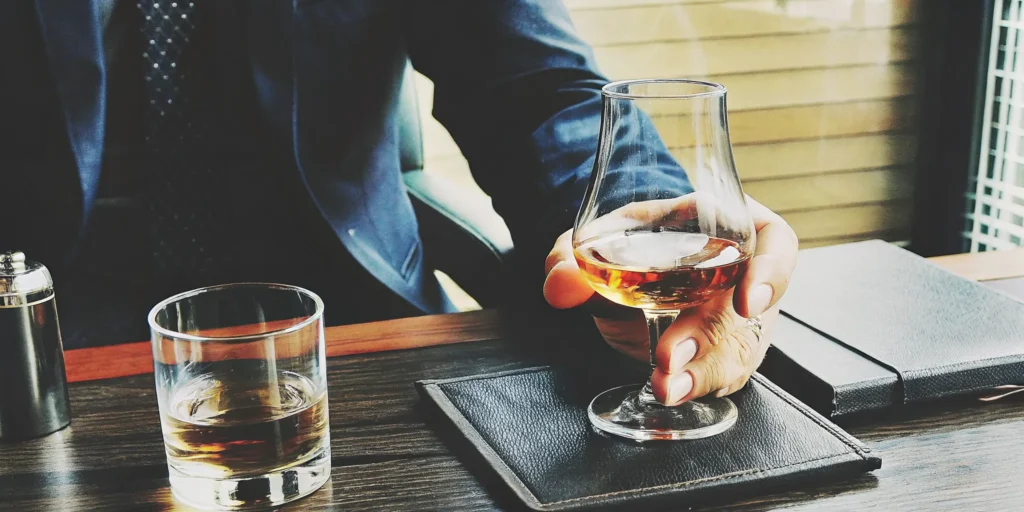
You know that warm feeling you get from a glass of whiskey? That’s just the beginning. There’s a huge difference between simply drinking whiskey and truly tasting it. When you learn to taste, you discover a world of complex flavors—from hints of caramel and vanilla to spice and even the sweet, toasty notes of a campfire s’more. Learning how to sip whiskey with intention is the secret. It’s a simple process that engages all your senses, helping you appreciate the craftsmanship in every bottle. This guide breaks it all down into easy, actionable steps for your next pour.
Key Takeaways
- Start with the right basics: All you truly need for a great tasting is a proper glass to concentrate aromas, a small pour of one to two ounces, and perhaps a few drops of water to soften the spirit and reveal more flavor.
- Taste with intention: To fully appreciate your whiskey, use all your senses. Observe the color, smell the aromas before sipping, and take your time to identify flavors from the initial taste through the lingering finish.
- Make the experience your own: There are no right or wrong answers when it comes to flavor. Pay attention to what you personally taste, create a relaxing environment, and try simple food pairings to make sipping whiskey an enjoyable ritual.
Your Whiskey Sipping Starter Kit
Getting started with sipping whiskey is much easier than you might think. You don’t need a cabinet full of expensive equipment to enjoy the flavors and aromas in your glass. In fact, you probably have most of what you need already. The goal is simply to create an experience that lets you appreciate the spirit’s character without any distractions. Forget any intimidating rules you might have heard; this is about finding what you enjoy.
It really comes down to three things: the right glass, the right whiskey, and a couple of optional tools that can help you tailor the taste to your liking. Think of these as your basic toolkit for tasting. Having these simple items on hand will help you get the most out of every pour, whether you’re trying a classic bourbon for the first time or a fun, flavored spirit like our S’mores Whiskey. Let’s walk through what you’ll want to have ready before you pour your first glass.
Picking the Perfect Whiskey Glass
While you can technically drink whiskey from any cup, the right glassware truly makes a difference. The shape of the glass is designed to concentrate the whiskey’s aromas, guiding them toward your nose so you can smell all the complex notes before you even take a sip. A wide tumbler, also known as a rocks glass, is a classic choice and works perfectly well. For a more focused tasting, many enthusiasts prefer a Glencairn glass. Its tulip shape is specifically designed to capture and channel aromas, giving you a richer sensory experience. Don’t worry if you don’t have one; a simple wine glass can work in a pinch.
What Whiskey Should a Beginner Try?
If you’re new to whiskey, starting with something approachable is key. Many beginners find the “burn” of high-proof spirits a bit intense, so it’s smart to begin with smoother styles. Irish whiskeys are known for being exceptionally smooth, while bourbons tend to have a sweeter profile with notes of vanilla and caramel that can be very welcoming. Another fantastic option is a flavored whiskey. A spirit like Mash & Mallow S’mores Whiskey offers a fun and delicious entry point, blending familiar, sweet flavors with the warmth of whiskey for a smooth, easy-sipping experience without any harshness.
Classic and Approachable Bourbons
Bourbons are a fantastic starting point for anyone new to sipping whiskey. They are generally made from at least 51% corn, which gives them a distinctly sweeter and softer flavor profile compared to other types of whiskey. You’ll often find inviting notes of caramel, vanilla, and a hint of oak, which makes them very welcoming to a developing palate. Because of their inherent smoothness, bourbons are less likely to have the intense alcoholic “burn” that can sometimes be off-putting for beginners. This approachable nature makes them a reliable and enjoyable choice as you begin to explore the world of whiskey and learn what flavors you enjoy most.
Exploring Peated Scotch
If you’re feeling a bit more adventurous, you might want to try a peated Scotch. This style is famous for its bold, smoky flavor, which comes from drying the malted barley over a peat-fueled fire. The taste can be quite intense and is often described as earthy, medicinal, or reminiscent of a campfire. It’s a polarizing flavor—you’ll either love it or you won’t—but those who enjoy it appreciate its incredible depth and complexity. To really get the full experience, try it in a tulip-shaped glass that concentrates the powerful aromas, allowing you to explore all its unique characteristics before taking a sip.
For the Flavor-Forward Drinker
For those who love sweet, nostalgic flavors, the world of flavored whiskey is an exciting place to be. This category is all about fun and accessibility, offering a gentle introduction to whiskey by pairing it with familiar tastes. It’s a perfect fit if you find traditional whiskeys a bit too intense. For example, our Mash & Mallow S’mores Whiskey blends the smooth warmth of American whiskey with the classic campfire trio of toasted marshmallow, rich chocolate, and graham cracker. The result is a spirit that’s incredibly easy to sip and enjoy on its own or in a creative cocktail. It proves that there are no rules—the best whiskey is the one you like to drink.
Water Droppers and Whiskey Stones: Do You Need Them?
Once you have your glass and your whiskey, a couple of simple tools can help you customize your drink. If you find the alcohol taste a bit strong, adding a few drops of water can work wonders. A small water dropper gives you precise control, and many experts agree that a little water can actually open up the whiskey’s flavors and soften the intensity. If you prefer your whiskey chilled but don’t want to dilute it with melting ice, consider using whiskey stones. These are small, freezable cubes, often made of soapstone, that cool your drink without watering it down and preserving its original flavor profile.
Where to Buy Whiskey Online
The internet has made it easier than ever to explore the world of whiskey from your own home. You can find rare bottles, discover new brands, and get your favorites delivered right to your door. But with so many options, it’s important to know where to look and what to watch out for. Buying whiskey online should be a fun and convenient experience, not a frustrating one. A little bit of know-how will help you find reputable sellers, avoid potential scams, and make sure you’re following the rules. Think of this as your guide to becoming a savvy online whiskey shopper, so you can confidently add to your collection with just a few clicks.
Finding Reputable Sellers
Your first step to a successful online purchase is finding a seller you can trust. The web is full of liquor stores, but not all are created equal. A reputable seller will have clear contact information, transparent pricing, and a history of positive customer reviews. It’s always worth taking a few extra minutes to research a store before you hand over your credit card information. A quick search for reviews or mentions on whiskey forums can tell you a lot about a company’s reputation. Think of it as doing your due diligence to protect your investment and ensure you’re dealing with a business that values its customers.
Using Search Tools like Wine-Searcher.com
If you’re on the hunt for a specific bottle, a great place to start is a search engine designed for wine and spirits. A website like Wine-Searcher.com is an invaluable tool for any whiskey shopper. You can type in the name of the whiskey you want, and it will show you a list of online retailers that carry it, along with their prices. This makes it incredibly easy to compare costs and find the best deal available. It also helps you discover new stores you might not have found otherwise, giving you more options for your future purchases and helping you track down those harder-to-find gems.
Buying Directly from the Distillery
One of the best ways to ensure you’re getting an authentic product is to buy it straight from the source. Many distilleries now have their own online shops, which often connect you to their trusted retail partners for fulfillment. This gives you access to the freshest batches and sometimes even exclusive releases that aren’t available in stores. For example, you can buy Mash & Mallow S’mores Whiskey online through our website, guaranteeing you get the real deal. It’s a straightforward way to support the creators and get your hands on their spirits with complete peace of mind.
A Word of Caution: What to Watch Out For
While there are many great online stores, there are also some that have earned a poor reputation. It’s important to be aware of the red flags so you can avoid a bad experience. Based on numerous customer reports, the online retailer SipWhiskey.com is one that warrants caution. Many buyers have shared frustrating stories about their interactions with the company, highlighting issues that serve as a perfect case study in what to avoid. These experiences underscore the importance of researching sellers before you make a purchase. A few minutes of searching for reviews can save you a lot of time, money, and disappointment.
Reported Customer Service and Shipping Issues
One of the most common complaints about questionable online retailers involves significant customer service and shipping problems. Many people have reported that their orders never arrived, and their attempts to get updates were met with silence. According to these accounts, emails and phone calls often go unanswered, leaving customers in the dark. This lack of communication is a major warning sign. A trustworthy company will be responsive to its customers and provide clear updates on order status, especially when there are delays. If a seller is hard to reach before you buy, imagine how it will be if there’s a problem with your order.
Pricing and Business Practice Concerns
Beyond shipping issues, customers have also raised concerns about some companies’ business practices. Some have noted that their credit cards were charged long before their order was ready to ship, and in at least one case, a customer received a fake tracking number. Additionally, the prices on some sites are sometimes much higher than what you might find at a local store. These practices suggest a lack of transparency and respect for the customer. Always trust your gut—if a deal seems off or the business practices feel shady, it’s better to walk away and find a seller who operates with integrity.
Understanding Whiskey Shipping Laws
Finally, before you click “buy,” it’s crucial to understand the laws around shipping alcohol to your state. These regulations can be complicated and vary significantly from one location to another. Some states allow for direct-to-consumer shipping from retailers and distilleries, while others have much stricter rules or prohibit it entirely. Reputable online sellers will usually have a system in place to verify that they can legally ship to you, but it’s always a good idea to be aware of your local laws. If you find that shipping isn’t an option for you, don’t worry. You can always use our store locator to find a local retailer carrying Mash & Mallow near you.
Preparing Your Whiskey for the Perfect Sip
Getting your whiskey ready for sipping is more than just pouring it into a glass. A little preparation can completely change your tasting experience, helping you pick up on all the delicious, complex flavors hiding in the bottle. Think of it as setting the stage for a great show. These simple steps will help you get the most out of every pour, whether you’re trying a classic single malt or a fun, flavored spirit like our S’mores Whiskey. It’s all about creating the best possible conditions to enjoy what’s in your glass.
How Much Whiskey Should You Pour?
When you’re sipping whiskey to really taste it, less is more. A standard tasting pour is between one and two ounces. This might not look like much in the glass, but it’s the perfect amount. Pouring a smaller measure leaves plenty of room above the liquid for the aromas to gather. Since so much of taste is connected to smell, giving those scents space to concentrate is key. This also allows you to swirl the whiskey gently without spilling, which helps release even more of its fragrance. You’re not trying to fill the glass; you’re just giving yourself enough to properly taste and appreciate the spirit’s character.
The Great Debate: Add Water or Ice?
To add water or ice is a question every whiskey drinker faces. Here’s the simple breakdown: a few drops of water can be your best friend. Water can soften the alcohol burn and help open up the whiskey, revealing more subtle flavors and aromas you might have missed. On the other hand, ice tends to be a flavor killer. The cold temperature can numb your taste buds and mute the whiskey’s complex notes. As the ice melts, it also dilutes the spirit, watering down the experience. If you prefer your whiskey chilled, consider whiskey stones. Of course, if you’re making a whiskey cocktail, ice is usually a key ingredient. For sipping, though, try it neat first.
Why Temperature Matters
Temperature plays a huge role in how your whiskey tastes. Most experts agree that serving it at room temperature (or slightly cooler) is the sweet spot. This is where the spirit’s full spectrum of flavors and aromas can really shine. When whiskey is too cold, its aromatic compounds contract, making it harder to smell and taste the nuances of vanilla, caramel, or spice. The right glassware, like a Glencairn glass, also helps by concentrating those aromas toward your nose. Beyond the glass, think about your environment. A comfortable, relaxed setting allows you to slow down and focus on what you’re tasting, turning a simple drink into a truly enjoyable ritual.
How to Taste Whiskey in 5 Simple Steps
Ready to taste whiskey like you know what you’re doing? It’s easier than it looks. This simple, five-step method helps you slow down and appreciate all the complex flavors packed into your glass. It’s not about being a stuffy connoisseur; it’s about getting more enjoyment from your drink. This process works for any spirit, from a classic bourbon to our own S’mores Whiskey. By engaging all your senses, you can pick up on subtle notes you might otherwise miss. Let’s walk through it.
Step 1: Look at the Color
Before you do anything else, just look at the whiskey in your glass. Hold it up to the light and notice its color. Is it pale straw, golden honey, or a deep amber? The hue can tell you a bit about the whiskey’s story. Since whiskey is aged in wooden barrels, usually oak, it gets its unique taste and color from the wood. A darker color often suggests a longer aging period or a specific type of barrel, which can hint at the flavors waiting for you. It’s the first clue in your delicious detective work.
Step 2: Take in the Aromas
Next, give the whiskey a gentle swirl and bring the glass to your nose. Your sense of smell is a huge part of how you experience flavor, so don’t skip this step. Instead of taking a big, sharp sniff (which will likely just give you a whiff of alcohol), try keeping your lips slightly parted and breathing in gently through both your mouth and nose. This technique softens the alcohol burn and lets the real aromas come through. You might smell notes of vanilla, caramel, smoke, or fruit. It’s amazing what you can pick up before you even take a sip.
Step 3: Take a Small First Sip
Now you’re ready for your first taste. The key here is to start small. Take a tiny sip, just enough to coat your tongue. Some people call this the “Kentucky Chew.” This initial taste isn’t about identifying flavors just yet; it’s about acclimating your palate to the alcohol’s strength. As one whiskey fan on Reddit puts it, this first small sip helps your mouth get used to the strong alcohol burn. Think of it as a little hello before the real conversation begins. It prepares your taste buds for what’s coming next.
Step 4: What Do You Taste?
On your second sip, take a little more and let it linger. Roll the whiskey around your mouth, making sure it touches all parts of your tongue and cheeks. You can even try a gentle chewing motion. This helps release the full spectrum of flavors. This is where you can start to pinpoint specific tastes. Are you getting sweet notes like butterscotch or chocolate? Spicy hints of cinnamon or oak? Or maybe something fruity or nutty? Take your time and see what you can discover. There are no wrong answers here; it’s all about your personal experience.
Step 5: Savor the Finish
The “finish” is the taste that remains after you’ve swallowed the whiskey. It’s the final impression the spirit leaves with you. After you swallow, breathe out gently through your mouth or nose. Notice how long the flavors last and if they change over time. A quality whiskey often has a long, complex finish that evolves. It might start warm and spicy, then fade into a lingering sweetness. This is the grand finale of your tasting experience, so be sure to savor it. It’s the part of the tasting that truly sticks with you.
What Am I Tasting? Common Whiskey Flavors
Every whiskey has a unique personality, and getting to know it is all part of the experience. The flavors and scents you discover come from its core ingredients, how it was distilled, and the type of barrel it was aged in. Oak barrels, for example, are famous for imparting classic notes of vanilla, caramel, and spice. Learning to identify these characteristics is a skill you can build over time, and there are no wrong answers. It’s all about what you personally smell and taste.
Think of it as a fun detective game for your senses. At first, you might just taste “whiskey.” But with a little practice, you’ll start to notice specific layers of flavor. You might pick up on a hint of fruit, a touch of smoke, or a wave of sweetness. This process helps you appreciate the craftsmanship behind the spirit and figure out what you truly enjoy. Whether you’re sipping a traditional bourbon or a creative blend like our S’mores Whiskey, paying attention to the details makes every glass more interesting.
Understanding Whiskey Flavor Profiles
So, where do all these flavors come from? It starts with the fermented grains used to make the whiskey, like corn, rye, or barley. Then, the spirit ages in wooden barrels, soaking up compounds that create a huge range of tastes. To make things simpler, you can think of flavors in a few main categories. As you sip, see if you can place what you’re tasting into one of these groups:
- Sweet: Vanilla, caramel, honey, chocolate, and toasted marshmallow.
- Spicy: Cinnamon, black pepper, clove, and nutmeg.
- Fruity: Green apple, cherry, orange peel, and dried figs.
- Smoky & Earthy: Toasted oak, campfire smoke, leather, and tobacco.
How to Pinpoint Vanilla, Caramel, and Spice
Ready to start tasting? The key is to go slow. Your first sip should be very small, just enough to get your palate used to the alcohol. This little “hello” sip prepares your taste buds for what’s next. For your second sip, take a slightly larger amount and let it roll across your tongue before you swallow. This is your moment to really pick up the finer flavors.
As the whiskey sits in your mouth, ask yourself what it reminds you of. Is there a creamy sweetness, like vanilla or caramel? Do you feel a gentle warmth, like cinnamon or baking spices? Don’t overthink it. Just focus on the sensations and try to put a name to them. The more you practice, the easier it becomes to pinpoint these individual notes.
How to Take Tasting Notes
If you want to get better at identifying flavors, try writing them down. Grab a small notebook or use an app on your phone to create your own tasting journal. This isn’t about writing a professional review; it’s for you. Start by jotting down what you smell. Give the glass a gentle swirl and take a few slow breaths, noting any aromas that stand out.
Next, take a sip and write down the flavors you notice. List anything that comes to mind, from toasted graham cracker to dark chocolate or a hint of spice. Finally, pay attention to the “finish,” which is the taste that lingers after you swallow. Is it short and clean, or long and warm? Keeping a record helps you remember what you liked (or didn’t like) and makes you a more mindful taster over time.
How to Create Your Perfect Sipping Ritual
Whiskey is more than just a drink; it’s an experience. Taking a few extra moments to prepare your space and your palate can transform a simple glass of whiskey into a memorable ritual. Whether you’re winding down after a long week or sharing a bottle with good company, creating the right environment helps you appreciate the complex flavors and aromas in your glass. It’s about slowing down and giving yourself the space to truly savor the moment.
You don’t need a fancy home bar or a degree in mixology to get it right. A little intention goes a long way. Think about what makes you feel relaxed and comfortable. Maybe it’s a specific playlist, a cozy corner of your living room, or a few simple snacks. These small touches help set the stage for a great tasting. From a quiet solo nightcap to a casual get-together, these tips will help you craft the perfect setting for enjoying every drop, whether you’re sipping it neat or trying one of our favorite cocktails.
Set the Mood
Creating a relaxing atmosphere is key to a great sipping session. Think of it as setting the stage for your whiskey to shine. Start by dimming the lights to create a warm, cozy vibe. A few unscented candles can add a soft glow without interfering with the whiskey’s aroma. Put on some music that helps you unwind, whether it’s a mellow jazz playlist or some acoustic tunes. The goal is to minimize distractions so you can focus on the glass in your hand. A comfortable chair and a clean, uncluttered space can also make a huge difference, inviting you to settle in and take your time with each sip.
Simple Snacks to Pair with Your Whiskey
Pairing food with whiskey doesn’t have to be complicated. The right snack can highlight different notes in the spirit and make the experience even more enjoyable. For a sweet and toasty whiskey like Mash & Mallow, think about complementary flavors. A small bowl of dark chocolate squares, roasted almonds, or even a classic s’more can be a perfect match. Salty options like aged cheddar or prosciutto also work well by creating a pleasant contrast. The key is to choose simple, high-quality bites that won’t overpower the whiskey. A great food pairing acts as a supporting character, not the main event.
How to Sip Whiskey with Friends
Sharing a bottle of whiskey is a fantastic way to connect with friends. To make it feel a little more special, have a few things ready. Set out some glasses, a pitcher of cool, distilled water, and an ice bucket with large cubes or spheres, which melt slower and won’t dilute the drink too quickly. You can even print out a simple whiskey flavor wheel to help guide your conversation. Encourage everyone to share what they smell and taste, but keep it casual. It’s not about being an expert; it’s about exploring the flavors together. And if you need to find a bottle to share, we can help with that.
Related Articles
- How to Drink Whiskey for Beginners: Step-by-Step
- How to Drink Whiskey: Beginner Tips, Tasting & Myths
- The Ultimate Guide to Whiskey for Beginners
- Best Whiskey for Beginners: Top Picks & Tasting Tips
Frequently Asked Questions
Do I really need a special glass to sip whiskey? Not at all. While a Glencairn glass is designed to concentrate aromas and can make tasting more focused, it’s not a requirement. The most important thing is to use a glass with a bit of a curve to it. A standard wine glass works wonderfully because its shape does a similar job of capturing the whiskey’s scent. A simple rocks glass is also a classic choice. Don’t let a lack of specific glassware stop you from enjoying your whiskey.
Is it bad to add ice to my whiskey? There are no strict rules here; the best way to drink whiskey is the way you enjoy it most. However, it’s helpful to know that cold temperatures can numb your taste buds and mute some of the spirit’s more delicate flavors. If you prefer your whiskey chilled, try using a single large ice cube or sphere, as it will melt more slowly and dilute your drink less. A great approach is to try a new whiskey neat first, then add a few drops of water, and then try it with ice to see what you prefer.
What if I can’t identify specific flavors like vanilla or spice? That is completely normal when you’re starting out. Developing your palate takes time and practice. Instead of searching for very specific notes, try thinking in broader categories first. Ask yourself if the whiskey tastes more sweet, spicy, fruity, or smoky. The more you sip mindfully, the more you’ll begin to notice the individual flavors that make up the overall profile. Taking simple notes can also help you track what you taste over time.
Why is the first sip supposed to be so small? Think of that tiny first sip as a way to introduce your palate to the whiskey. Its main purpose is to acclimate your mouth to the strength of the alcohol. If you take a large gulp right away, the alcohol can overwhelm your taste buds, making it harder to pick up on any of the nuanced flavors. This small initial taste prepares you, so on your second, larger sip, you can focus entirely on the character and complexity of the spirit.
What are some easy snacks to pair with a flavored whiskey like S’mores? Pairing food with a flavored whiskey should be fun and simple. For a spirit with notes of chocolate, marshmallow, and graham cracker, think about complementary flavors. A few squares of dark chocolate are a perfect match, as are roasted nuts like almonds or pecans. For a sweet and salty contrast, try a sharp cheddar cheese or a handful of pretzels. The goal is to choose a snack that enhances the whiskey, not overpowers it.
