
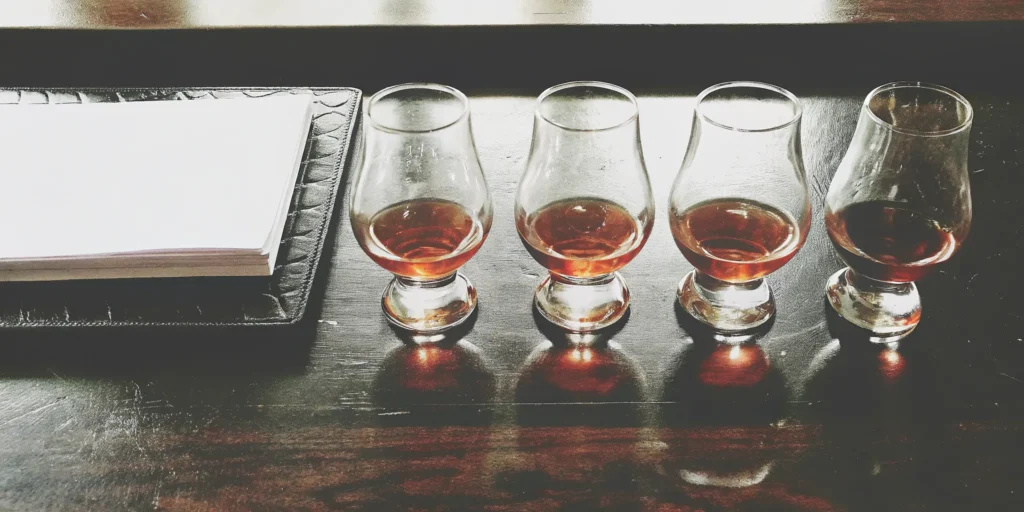
Tasting bourbon is a lot like listening to a great song. At first, you might just hear the main melody. But listen closer, and you start to pick out the bassline, the harmony, and the subtle percussion. Learning how to taste bourbon is that same process of discovery. You’re training your senses to find the complex notes of fruit, spice, and wood hiding behind the initial “whiskey” flavor. This guide gives you the tools to do just that, helping you appreciate the incredible craftsmanship in every single glass.
Key Takeaways
- Follow a simple four-step tasting method: To fully appreciate your bourbon, first look at its color, then smell the aromas, take a small initial sip to acclimate your palate, and finally, pay attention to the lingering finish.
- Train your palate to pinpoint specific flavors: Move beyond the initial burn by looking for common notes like sweet caramel, spicy cinnamon, and rich oak. Keeping a journal of your observations is a great way to track your progress and discover your preferences.
- Experiment with water and ice to find your perfect pour: A few drops of water can soften the alcohol and reveal new flavors, while a single large ice cube can chill your drink without diluting it too quickly. Don’t be afraid to try both to see what you like best.
What Makes a Whiskey a Bourbon?
You’ve probably heard the old saying: all bourbon is whiskey, but not all whiskey is bourbon. It’s a popular phrase for a reason—it’s true. So, what exactly separates bourbon from the rest of the whiskey family? It’s not just about geography or a fancy label. Bourbon is a legally protected spirit with a specific set of rules that distillers must follow. Congress even declared it a “distinctive product of the United States,” making it “America’s Native Spirit.” Understanding these rules is the first step to appreciating the craft behind every bottle. It also gives you a great foundation for exploring the entire world of whiskey, from traditional spirits to more creative expressions.
The Legal Rules of Bourbon Production
For a whiskey to be called bourbon, it has to play by the rules. These aren’t just friendly suggestions; they are federal laws that define every step of the production process, from the ingredients to the barrel it’s aged in. This strict framework ensures that every bottle of bourbon meets a high standard of quality and maintains a consistent identity. Think of it as a recipe that guarantees you’re getting an authentic American spirit. These regulations are what give bourbon its characteristic flavors and distinguish it from other whiskeys made around the world, like Scotch or Irish whiskey. Let’s break down the non-negotiables of making bourbon.
The 51% Corn Mash Bill
The first rule of bourbon is all about the ingredients. Every bourbon must be made from a grain mixture, or “mash bill,” that is at least 51% corn. This high corn content is the primary reason for bourbon’s signature sweetness. The remaining 49% of the mash bill can include other grains like rye, wheat, or malted barley, which distillers use to create different flavor profiles. A “wheated” bourbon will be softer and a bit sweeter, while a “high-rye” bourbon will have a spicier kick.
Aging in New Charred Oak Barrels
After distillation, bourbon must be aged in a very specific type of container: a brand-new, charred oak barrel. This rule is crucial because the barrel is where the bourbon gets most of its flavor and all of its color. The “char” is a layer of burnt wood on the inside of the barrel that acts as a filter and caramelizes the wood’s natural sugars. As the whiskey ages, it pulls flavors like vanilla, caramel, and toffee from the wood. Because the barrels must be new, they can only be used once for bourbon, which is why used bourbon barrels are so popular for aging other spirits.
Distillation and Bottling Proofs
There are also strict rules about the alcohol content during production. Bourbon cannot be distilled to a strength higher than 160 proof (80% alcohol by volume). Then, it must go into the barrel for aging at no more than 125 proof (62.5% ABV). Finally, it must be bottled at a minimum of 80 proof (40% ABV). These regulations ensure the final product isn’t overly diluted and that the flavors developed during distillation and aging are preserved, not watered down or overpowered by pure alcohol.
A Brief History of “America’s Native Spirit”
Bourbon isn’t just a drink; it’s a piece of American history. Its story is woven into the fabric of the country, with roots stretching back to the 18th century and early settlers in the region that would become Kentucky. While its exact origin is the stuff of legend, its identity is undeniably American. Bourbon has weathered major historical events, including the Civil War and, most notably, Prohibition, which nearly wiped out the entire American distilling industry. Its survival and resurgence are a testament to its enduring appeal. In 1964, Congress officially recognized bourbon as a “distinctive product of the United States,” cementing its status as a national treasure.
Where Do Bourbon’s Flavors Come From?
Ever wonder why one bourbon tastes like caramel and vanilla while another is full of spicy cinnamon and oak? The answer lies in a complex interplay of ingredients, chemistry, and time. A bourbon’s flavor profile is a direct result of the choices a distiller makes at every stage of production. From the specific grains they select for the mash bill to the type of yeast they use for fermentation and how long the spirit rests in the barrel, each step adds a unique layer of flavor. Understanding where these flavors come from can completely change how you experience the whiskey in your glass, turning a simple sip into a rich sensory exploration.
The Role of Grains: Corn, Rye, and Wheat
The journey of flavor begins with the mash bill. As we know, corn must make up at least 51% of the mix, and it provides the foundational sweetness you find in every bourbon. The secondary grains are where distillers get to be creative. Adding rye introduces spicy and peppery notes, often described as having a cinnamon or clove-like quality. If a distiller uses wheat instead, it lends a softer, gentler sweetness and a smoother mouthfeel, with flavors reminiscent of bread or honey. Malted barley is usually present in small amounts in all bourbons, as it provides enzymes that are essential for fermentation, but it also contributes subtle nutty or toasty flavors.
The Magic of Yeast and Fermentation
Once the grains are cooked into a mash, it’s time for yeast to work its magic. Yeast is a living organism that consumes the sugars in the mash and converts them into alcohol—this process is called fermentation. But creating alcohol is only part of its job. During fermentation, yeast also produces compounds called esters, which are responsible for many of the fruity and floral aromas in whiskey. Different strains of yeast create different esters, so a distiller’s proprietary yeast strain is one of their most closely guarded secrets. It’s a key reason why two bourbons with the exact same mash bill can still taste completely different.
How Charred Oak Barrels Shape the Taste
If grains are the foundation and yeast is the artist, the barrel is the finishing school. A staggering amount of a bourbon’s flavor—some experts say up to 80%—comes from its time spent aging in a new, charred oak barrel. The charring process caramelizes sugars in the wood, which then leach into the spirit, imparting notes of vanilla, caramel, and toffee. The oak itself contributes woody, spicy, and nutty flavors. Over time, as the whiskey expands and contracts into the wood with temperature changes, it mellows out and develops a deep, complex character and its signature amber color. Without the barrel, bourbon would be a clear, harsh spirit.
Is Older Bourbon Always Better?
There’s a common belief that when it comes to bourbon, older is always better. While age can certainly add complexity and depth, it’s not a guarantee of quality. Bourbon doesn’t age like wine once it’s in the bottle; all the maturation happens inside the barrel. If a bourbon spends too much time in the oak, it can become “over-oaked,” leading to an unpleasantly bitter, dry, and tannic flavor that masks the spirit’s other nuances. The goal for distillers is to find the perfect maturation point where the flavors from the grain, yeast, and barrel are all in perfect harmony. Sometimes that takes 12 years, and other times it might only take four.
How Bourbon Compares to Other American Whiskeys
The world of American whiskey is vast and varied, and it’s easy to get the different styles confused. While bourbon is the most famous of the bunch, it has several close cousins, including Tennessee whiskey, rye whiskey, and corn whiskey. Each has its own set of rules and its own distinct flavor profile. Knowing the key differences can help you better understand what you’re drinking and identify the styles you enjoy most. It’s like knowing the difference between a lager and an ale—they’re both beer, but they offer very different experiences. Let’s clear up the confusion and compare bourbon to its American relatives.
Bourbon vs. Tennessee Whiskey
Tennessee whiskey is bourbon’s closest relative—in fact, it meets all the legal requirements to be called bourbon. So what makes it different? It all comes down to one extra step in the process. Before being put into barrels to age, Tennessee whiskey must be filtered through sugar maple charcoal, a technique known as the Lincoln County Process. This charcoal mellowing step removes impurities and gives the whiskey a smoother, slightly sweeter character before it even begins to age. Think of it as bourbon with an extra layer of refinement.
Bourbon vs. Rye Whiskey
The main difference between bourbon and rye whiskey is right in the name: the primary grain. While bourbon must be at least 51% corn, rye whiskey must be made from a mash bill of at least 51% rye. This simple switch in the recipe has a huge impact on the final flavor. The rye grain imparts a bold, peppery spice that is much more pronounced than the sweetness of a corn-forward bourbon. If you enjoy a drink with a bit more of a spicy bite, you might find that you’re a fan of rye. It’s a fantastic spirit for making classic cocktails like the Manhattan or Old Fashioned.
Bourbon vs. Corn Whiskey
This one can be a bit confusing. If bourbon is made from corn, what is corn whiskey? The distinction lies in the percentages and the aging process. To be called corn whiskey, the mash bill must contain at least 80% corn. More importantly, corn whiskey has very relaxed aging requirements. It doesn’t have to be aged at all, but if it is, it must be in uncharred or used oak barrels. Because it often isn’t aged in new charred oak, corn whiskey is typically a clear spirit (like moonshine) and has a much rougher, grain-forward flavor that’s dominated by the taste of sweet corn.
Setting Up Your First Bourbon Tasting
Before you pour that first glass, a little prep work can make all the difference. Setting yourself up for success is simple and turns a casual sip into a full sensory experience. Think of it as creating the perfect environment to appreciate all the complex flavors your bourbon has to offer. Here’s what you’ll need to get started.
Does Your Bourbon Glass Really Matter?
You might think any glass will do, but the right glassware truly changes the game. The best choice is a tulip-shaped glass, like a Glencairn, because the curved body and narrow rim concentrate the aromas, directing them right to your nose. This shape helps you smell the bourbon and pick up on its subtle notes before you even take a sip. If you don’t have a special tasting glass, a small rocks glass or even a wine glass can work in a pinch. The key is to use a glass that allows you to swirl the liquid and capture its scent.
Prepping Your Palate for Bourbon
To give your taste buds a fair shot, it’s a good idea to prep your palate. Avoid eating or drinking anything with a strong flavor, like coffee or spicy food, for about an hour before your tasting. When you’re ready to start, take a tiny first sip to acclimate your mouth to the alcohol’s strength. Let the bourbon coat your tongue for a moment before swallowing. This initial taste prepares your palate for the real tasting to follow, so you can focus on the flavors instead of just the heat. This is a great first step in learning how to properly drink bourbon whiskey.
Gathering Your Tasting Essentials
You only need a few simple things for a great tasting. First, of course, is your bourbon. If you’re looking for a unique spirit with notes of chocolate and toasted marshmallow, you can always buy Mash & Mallow online. Next, have a small glass of room-temperature water handy. Adding a few drops to your bourbon can help “open it up,” softening the alcohol burn and revealing hidden flavors. Finally, grab a notebook and pen. It might feel a bit formal, but it’s incredibly helpful to write down your observations about what you smell and taste. This helps you track your preferences and develop your palate over time.
How to Taste Bourbon in 4 Simple Steps
Ready to move beyond just drinking bourbon and start truly tasting it? It’s easier than you think. This simple, four-step process will help you identify the unique colors, aromas, and flavors in your glass. There are no right or wrong answers here; it’s all about what you experience. So grab your favorite bottle, and let’s get started.
Step 1: Look at the Color and Legs
Before you even take a sip, take a moment to just look at the bourbon. Hold your glass up to the light and observe the color. Is it a light honey, a deep amber, or a rich mahogany? The color can give you clues about its age and how it was matured, with darker shades often pointing to a longer time spent in the barrel. Next, gently swirl the whiskey in your glass and watch as it runs down the sides. Those little streaks are called the “legs.” Thicker, slower legs can sometimes indicate a fuller body and a richer flavor profile, giving you a preview of the tasting experience to come.
Step 2: Smell the Aromas (Without the Burn)
Now, let’s talk about aroma. Your sense of smell is deeply connected to your sense of taste, so this step is key. To get the best experience, bring the glass to your nose, but don’t stick it all the way in. A great trick is to keep your mouth slightly open as you inhale gently. This helps you get the aromas without the sharp alcohol burn. Give the glass a little swirl to release more of the complex scents. If you start to feel overwhelmed, you can reset your sense of smell by sniffing the back of your hand. What do you notice? Vanilla? Caramel? Oak? Take your time here.
Advanced Smelling Techniques
Once you’ve gotten comfortable with the basics, a few extra tricks can help you pick up on even more aromas. Start by giving your glass a gentle swirl. This little motion helps release some of the heavier, more complex scents that tend to settle at the bottom. If you find the aromas are starting to blend together or feel a bit too strong, try this pro tip: reset your senses by sniffing the back of your hand. It might sound odd, but it’s a surprisingly effective way to clear your palate and get ready for the next smell.
If you really want to lean into the tasting experience, try alternating which nostril you use to smell. It’s a technique some professional tasters use, and they swear they can identify different notes more clearly this way, uncovering subtleties you might otherwise miss. These aren’t required steps, of course, but they’re fun tools to have as you explore the world of whiskey. Try them out the next time you pour a classic bourbon, or see if you can pinpoint the chocolate and toasted marshmallow notes in our S’mores Whiskey.
Step 3: Take Your First Sip
It’s finally time for that first taste. Take a small sip, just enough to coat your tongue. Resist the urge to swallow right away. Instead, let the bourbon roll around in your mouth for a few seconds. This is sometimes called the “Kentucky Chew.” What flavors hit you first? Is it sweet, spicy, or smoky? That initial sip is often the most intense, especially with a higher-proof bourbon, as it gets your palate accustomed to the alcohol. Don’t worry if it feels a bit strong at first. Subsequent sips will reveal much more of the bourbon’s character and nuanced details.
Understanding Mouthfeel
Beyond just the flavor, pay attention to how the bourbon feels in your mouth. This is called mouthfeel, and it’s a huge part of the tasting experience. As you sip, notice the texture. Some bourbons are thin and light, while others can feel rich, creamy, or even oily. After you swallow, the experience isn’t over. The finish is the taste and feeling that stays in your mouth, sometimes called the “Kentucky Hug.” Think about how the flavors change, how strong they are, and if the feeling is smooth or dry. A great finish will linger, evolving from the initial taste into something new and memorable. Paying attention to these details helps you build a complete picture of the bourbon’s character and appreciate its complexity.
Using the Retronasal Technique
Here’s a simple trick that will instantly make you a better taster. After you swallow your sip of bourbon, gently breathe out through your nose. This is called the retronasal technique, and it allows aromatic compounds from your mouth to travel up to your olfactory receptors. This simple action helps you smell more flavors that were in your mouth, revealing notes you might have missed on the initial taste. For a spirit like our Mash & Mallow S’mores Whiskey, this is where the subtle notes of toasted marshmallow and rich chocolate really come to life. It’s a game-changer for picking up on the more delicate, layered flavors in any whiskey you’re tasting.
Step 4: Describe the Finish
The finish is all about the aftertaste, the flavors and sensations that linger after you’ve swallowed. Is it long and warm, or short and crisp? Many bourbon lovers talk about the “Kentucky Hug,” which is that pleasant, warming feeling that spreads through your chest. Pay attention to how the flavors evolve. Does the sweetness fade into a spicy note, or does a hint of oak stick around? Thinking about the finish of the bourbon helps you appreciate the full journey of the spirit, from the first look to the final, lingering taste. It’s the perfect end to your tasting.
What Am I Tasting? A Guide to Bourbon Flavors
This is where the real fun begins. Once you get past the initial “whiskey” taste, you’ll start to notice a whole world of different flavors and aromas. Bourbon is incredibly complex, with a spectrum of notes that can range from sweet and fruity to spicy and earthy. Don’t worry if you can’t pick them all out at first; developing your palate takes a little practice. Think of it like learning a new language, where you start by recognizing a few words and eventually become fluent.
The flavors in bourbon come from the grain, the fermentation process, and especially the time it spends aging in charred oak barrels. Each bottle tells a unique story through its taste profile. To help you identify what you’re tasting, experts often use a bourbon flavor wheel that groups common notes into categories. We’ll walk through some of the most common ones you’ll encounter. Understanding these classic notes can also help you better appreciate how they play together in unique spirits, like the chocolate, marshmallow, and graham cracker notes in our S’mores Whiskey.
A Structured Way to Describe Flavors
With so many potential flavors, it helps to have a system. Instead of trying to name everything at once, start with broad categories. As you take a sip and let it coat your tongue, ask yourself a simple question: Is the dominant flavor sweet, spicy, fruity, or woody? From there, you can get more specific. If it’s sweet, are you tasting caramel, vanilla, or honey? If it’s spicy, is it more like cinnamon or black pepper? As you get more practice, you can start to identify specific notes like citrus, cherry, or nuts. This simple framework gives you a starting point and makes the process of describing what you taste much less intimidating.
Common Sweet Notes: Caramel, Vanilla, and Honey
For many people, the first flavors they identify in bourbon are the sweet ones. These are often the most prominent and easiest to pick out, making them a great starting point. As you sip, look for notes of rich caramel, creamy vanilla, brown sugar, or even a hint of maple syrup. These comforting flavors aren’t from added sugars; they develop naturally during the aging process. As the whiskey rests in charred oak barrels, the wood releases compounds that create these delicious, sweet characteristics. It’s a bit of science that tastes like magic. So next time you have a glass, let the bourbon sit on your tongue for a moment and see if you can pinpoint that classic vanilla or caramel flavor.
Identifying Spice and Wood: Cinnamon, Oak, and Tobacco
Beyond the initial sweetness, you’ll find a layer of spice and wood that gives bourbon its signature complexity and warmth. These notes provide a beautiful balance to the sweeter elements. See if you can detect hints of baking spices like cinnamon, clove, or even a touch of black pepper that might tingle on your tongue. These often come from the grains used in the mash bill, particularly rye. The barrel also contributes more than just sweetness. You might notice earthy, robust flavors like toasted oak, rich tobacco, or smooth leather. These woody notes add depth and a mature character to the spirit, making each sip more interesting than the last.
Finding Fruit and Floral Notes
Just when you think you have bourbon figured out, it can surprise you with lighter, more delicate notes. Depending on the specific mash bill and yeast strain used, you might find a variety of fruit and even floral hints in your glass. Look for the bright taste of citrus, the deep sweetness of cherry, or the concentrated flavor of dried fruits like raisins or figs. These notes can add a refreshing and vibrant contrast to the rich caramel and spicy oak flavors. They might not be as bold as the other profiles, but their subtle presence is a sign of a well-crafted, complex bourbon. It’s these little discoveries that make tasting so rewarding.
Why You Should Keep a Tasting Journal
If you really want to sharpen your tasting skills, I highly recommend keeping a tasting journal. It doesn’t have to be anything fancy; a simple notebook will do the trick. For each bourbon you try, jot down a few notes about what you see, smell, and taste. What color is it? What aromas do you notice? What flavors stand out on the first sip versus the finish? Writing down your observations helps you become a more active and mindful taster. Plus, it’s a fantastic way to track your personal preferences and remember which bottles you loved, so you know what to look for next time you’re at the store.
Understanding Different Bourbon Flavor Profiles
As you get more familiar with tasting, you’ll start to notice that different bourbons fall into distinct flavor camps. While every bottle has its own unique character, most can be broadly described as either “grain-forward” or “wood-forward.” Understanding these two main profiles is like having a road map for your tasting journey. It helps you anticipate what you might experience in the glass and gives you a framework for describing what you like. Recognizing whether you prefer the soft, bready notes of a grain-forward bourbon or the rich, deep flavors of a wood-forward one is a huge step in discovering your personal bourbon style.
Grain-Forward Bourbons
Think of grain-forward bourbons as showcasing the raw ingredients in their purest form. These spirits are often aged a bit more gently, which means the flavors from the barrel don’t overpower the natural taste of the corn, rye, wheat, or barley in the mash bill. When you sip one, you might taste something that reminds you of warm cornbread, hot cereal, or toasted grains. It’s a softer, often sweeter profile that really lets the character of the grain shine through. If you’re tasting a bourbon and find yourself thinking it tastes like the ingredients it was made from, you’re likely enjoying a grain-forward spirit. It’s a great way to appreciate the base flavors of bourbon.
Wood-Forward Bourbons
If grain-forward bourbons are all about the ingredients, wood-forward bourbons are all about the aging process. A huge portion of a bourbon’s flavor—at least half—comes from its time spent in a new, charred oak barrel. The longer a bourbon ages, the more it interacts with the wood, pulling out complex and robust flavors. With these bourbons, you’ll find notes that are deeper and more savory, like toasted nuts, cedar, rich leather, or even a hint of tobacco. These are the flavors that give many bourbons their signature dark, mature character. If you enjoy a spirit with a lot of depth and complexity, you’ll probably find yourself drawn to these wood-influenced profiles.
How to Train Your Palate
Training your palate isn’t about becoming a professional critic overnight; it’s about learning to pay closer attention and building a flavor vocabulary. At first, everything might just taste like “bourbon,” and that’s completely normal. But with a few simple exercises, you can start to untangle the individual notes and appreciate the complexity in your glass. The key is consistent practice and a little bit of focused attention. These techniques will help you move past the initial alcohol heat and start identifying the specific sweet, spicy, and woody notes that make each bourbon different.
Try a Side-by-Side Tasting Flight
One of the most effective ways to train your palate is to try a tasting flight. This simply means pouring small amounts of a few different bourbons to taste side-by-side. The goal isn’t to correctly identify every single flavor note, but to simply notice the differences between them. Does one smell sweeter? Is another spicier on the finish? Comparing them directly makes their unique characteristics stand out much more clearly than if you were tasting them on separate occasions. This exercise helps you notice differences and build a mental library of flavors without the pressure of getting it “right.”
Cleanse Your Palate Between Sips
When you’re tasting multiple bourbons, especially in a flight, your palate can get tired or overwhelmed. The lingering flavors from one bourbon can easily influence your perception of the next. To make sure you’re getting a “clean read” on each spirit, it’s important to cleanse your palate between sips. The best way to do this is to take a drink of room-temperature water or eat a piece of a plain, unsalted cracker. This simple step resets your taste buds, allowing you to approach each bourbon with a fresh perspective and more accurately assess its unique profile.
Consider Using a Nosing Kit
If you’re serious about developing your palate and want to get better at naming the aromas you’re smelling, a nosing kit can be a fantastic tool. These kits come with small vials of common aromas found in whiskey, like vanilla, orange peel, leather, and smoke. By smelling the isolated scent in the vial and then trying to find it in your glass, you can train your brain to make that connection. It’s a very direct way to learn what “oak” or “caramel” actually smells like in a whiskey context. Using a tasting kit can feel like having a cheat sheet, helping you build confidence and a more descriptive tasting vocabulary.
How to Get Past the “Bourbon Burn”
Let’s be honest: that warm, spicy sensation from a sip of bourbon can sometimes feel intense, especially when you’re just starting. This “bourbon burn” comes from the high alcohol content, but it doesn’t have to overpower the entire experience. In fact, learning how to manage it is the key to discovering the rich, complex flavors hiding behind the heat.
Think of it less as a burn to be endured and more as a characteristic to understand. With a few simple techniques used by seasoned tasters and master distillers, you can train your palate to look past the initial intensity. These methods help soften the alcohol’s edge, allowing the notes of caramel, vanilla, oak, and spice to take center stage. It’s all about giving your senses a moment to adjust so you can fully appreciate the craft and character in your glass. The following steps will help you sip comfortably and confidently.
Start with Small Sips
Before you take a big gulp, give your palate a gentle introduction. Your first sip should be tiny, just enough to coat your tongue and let your taste buds know what’s coming. This small taste helps acclimate your mouth to the proof and temperature of the whiskey. As the experts at The Bardstown Bourbon Company suggest, “Take a tiny first sip to get used to it. Then, take another small sip and focus on how it feels in your mouth and what flavors you taste.” This approach prevents your senses from being overwhelmed, allowing you to focus on the actual flavors instead of just the heat.
Try Adding a Few Drops of Water
Adding a little water to your bourbon is a classic move for a reason. A few drops can slightly lower the alcohol percentage, which immediately dials down the intensity of the burn. This is especially helpful for higher-proof bourbons. More importantly, water can chemically alter the spirit by breaking apart flavor compounds, which helps release new aromas and tastes that were previously hidden. Use a straw or a water dropper to add one drop at a time, then give the glass a swirl. You might be surprised by how much the character of the bourbon changes.
Master the “Kentucky Chew”
Once you’re comfortable, it’s time to try a technique straight from the heart of bourbon country: the “Kentucky Chew.” It might sound a little funny, but it’s one of the best ways to experience every nuance a bourbon has to offer. After taking a small sip, gently swish the liquid around your mouth as if you were chewing on it. Keep your mouth slightly open to let in a little air. This process of aerating the bourbon and coating your entire palate ensures you’re engaging all of your taste buds, helping you identify a wider spectrum of flavors.
Let Your Bourbon Rest for a Moment
Just like a fine wine, bourbon benefits from a little time to breathe. After you pour it into the glass, let it sit for a few minutes before you start tasting. This allows some of the more volatile alcohol vapors to evaporate, so when you go to nose the whiskey, you’re greeted with pleasant aromas instead of a harsh alcoholic sting. Giving the glass a gentle swirl during this time will help speed up the process. This simple act of patience makes the initial approach much smoother and sets the stage for a more enjoyable and flavorful tasting experience.
How to Serve and Drink Bourbon
Once you’ve learned how to taste bourbon, the next step is figuring out how you like to drink it. There’s no single right way to enjoy your whiskey; it all comes down to personal preference. Some people are purists who believe bourbon should only be sipped neat to appreciate its unadulterated character, while others find that a splash of water or a cube of ice helps open up the flavors. And of course, bourbon is the backbone of some of the most beloved cocktails in history. The best approach is to experiment with these different methods to discover what works for you and the specific bottle you’re pouring. It’s a fun part of the journey that helps you connect even more with what’s in your glass.
Drinking Bourbon Neat vs. Straight Up
You’ll often hear the terms “neat” and “straight up,” and while they sound similar, they mean different things. Ordering a bourbon “neat” means you want it served at room temperature, with nothing added—no ice, no water, no mixers. This is the purist’s choice, as it allows you to experience the whiskey exactly as the distiller intended. It’s the best way to appreciate the spirit’s full complexity, which comes from strict production rules requiring at least 51% corn and aging in new, charred oak barrels. “Straight up,” on the other hand, means the bourbon is chilled with ice and then strained into a glass without the ice. This is a great option if you prefer your whiskey cold but don’t want the dilution that comes from melting ice.
Trying Bourbon in Classic Cocktails
While bourbon is fantastic on its own, it’s also the base for many iconic cocktails. Classics like the Old Fashioned, Manhattan, and Mint Julep are timeless for a reason—they perfectly complement bourbon’s rich and spicy character. Making these drinks is a fantastic way to explore how bourbon interacts with other ingredients like bitters, sugar, and citrus. It’s also a great way to get creative with flavored whiskeys, which can add a fun, modern twist to classic recipes. Our own Mash & Mallow S’mores Whiskey, for example, makes for a unique and memorable cocktail experience. You can find inspiration for drinks that highlight its notes of chocolate, toasted marshmallow, and graham cracker on our cocktails page.
Should You Add Water or Ice to Bourbon?
Asking whether to add water or ice to bourbon can feel like a loaded question, but there’s no wrong answer. The goal is to find what you enjoy most. Adding a little something to your glass isn’t about diluting the spirit; it’s about changing its chemistry just enough to bring out different characteristics. For higher-proof bourbons, a few drops of water can mellow the alcohol and reveal hidden flavors. Ice, on the other hand, chills the bourbon for a smoother, more refreshing sip. Let’s look at how each one affects your tasting experience.
The Case for Adding Water
Adding a splash of water is a classic technique used by master distillers and seasoned tasters. A few drops can “open up” the bourbon, softening the alcohol’s intensity and allowing more subtle aromas and flavors to come forward. This is especially true for bourbons that are 110 proof or higher. The water helps release notes of fruit, spice, or grain that might have been masked by the alcohol. Start with just a tiny bit of room-temperature water, give the glass a swirl, and see what new scents you discover.
The Case for Adding Ice
If you prefer your bourbon chilled, the type of ice you use makes a big difference. Small ice cubes or crushed ice melt quickly, watering down your drink and dulling its complex flavors. Instead, you should pick one large, clear ice cube or sphere. A larger cube has less surface area, so it melts much more slowly. This cools your bourbon perfectly without over-diluting it, preserving the spirit’s intended character while providing a crisp, refreshing quality. It’s the best way to enjoy a chilled pour that stays flavorful.
It’s Your Bourbon: Find Your Preference
Ultimately, the best way to drink bourbon is the way you like it best. The fun is in the discovery, so I encourage you to experiment. Pour a small amount and taste it neat first. Then, add a single drop of water and taste it again. Did the flavor change? Add another. You can also try it over a large ice cube to see how the chill affects the taste. This process is a great way to master the art of bourbon tasting and understand your own palate. Try it with our S’mores Whiskey to see how the notes of chocolate and marshmallow evolve.
Related Articles
Frequently Asked Questions
Do I really need a special glass for tasting bourbon? While you don’t need to run out and buy a whole new set of glassware, using a glass with a curved shape, like a Glencairn or even a standard wine glass, can make a big difference. The tapered rim helps concentrate the bourbon’s aromas, making it much easier for you to pick up on all those interesting scents before you take a sip. A regular rocks glass will work just fine, but a tulip-shaped glass gives you a more focused sensory experience.
What if I can’t identify specific flavors like vanilla or oak? That is completely normal, so don’t worry. Developing your palate takes time and practice. The goal isn’t to correctly guess every single note in the glass, but to simply notice what you experience. Start by thinking in broader categories: is it sweet, spicy, fruity, or woody? The more you taste mindfully, the more your brain will start connecting those sensations to specific flavors you recognize.
Is it okay to add water or ice to my bourbon? Absolutely. There are no strict rules here, and the best way to drink bourbon is however you enjoy it most. Adding a few drops of water can soften the alcohol’s intensity and help new flavors emerge, which is a technique even master distillers use. If you prefer your drink chilled, a single large ice cube is a great choice because it cools the spirit without watering it down too quickly.
How much bourbon should I pour for a tasting? For a tasting, you only need a small amount, typically around one to one and a half ounces. This is enough to properly see the color, nose the aromas, and get a few good sips to analyze the flavor and finish. Pouring a smaller amount also makes it easier to swirl the liquid in the glass without spilling and allows you to sample multiple bourbons in one sitting if you choose.
What’s the best way to get past the alcohol burn? The key is to acclimate your palate gradually. Start with a very small initial sip to let your mouth get used to the proof. Also, try keeping your mouth slightly open when you smell and taste the bourbon; this allows some of the alcohol vapor to escape so you can focus on the flavors underneath. If a particular bourbon is still too intense, adding a drop or two of water is a fantastic way to soften the heat.
