
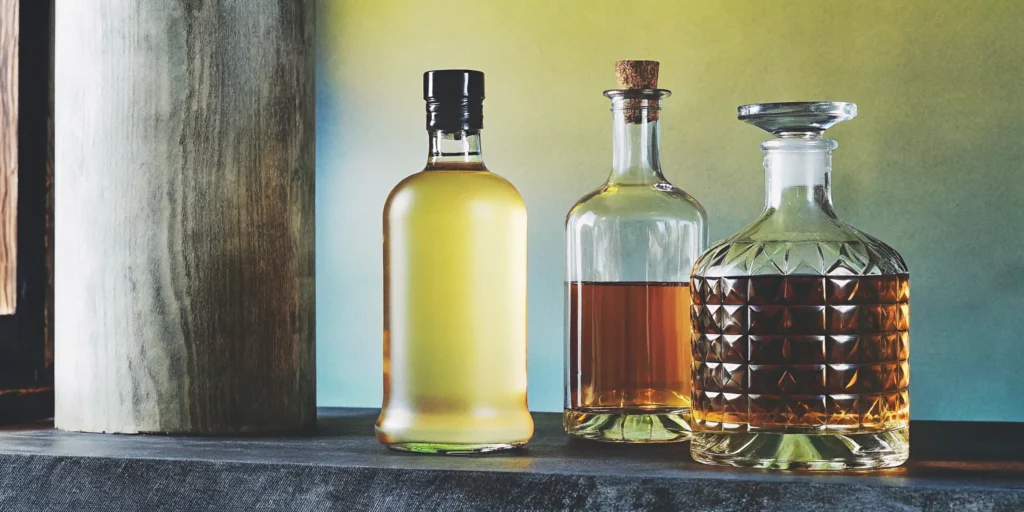
That lovely vanilla note is a big reason many of us fall for Scotch, but it rarely shows up alone. Think of it as the lead singer in a band; it might get the most attention, but the other instruments are what make the song complete. The same oak barrels that give us vanilla also create a whole symphony of other delicious flavors like caramel, toffee, and even coconut. Learning to spot these complementary notes is part of the fun of exploring Scotch. This guide will help you understand the full flavor profile of a scotch with vanilla notes, so you can pinpoint exactly what you love in a particular bottle.
Key Takeaways
- The Barrel Creates the Flavor: Those vanilla notes in Scotch aren’t additives; they come directly from the charred oak barrels used for aging. This process naturally releases sweet compounds from the wood, infusing the spirit with its signature vanilla, caramel, and toffee character.
- Start Your Scotch Journey with Sweetness: If you’re new to whisky, a vanilla-forward Scotch is a great introduction. Its familiar and approachable sweetness makes it easy to enjoy while helping you learn to identify key flavors before exploring more intense, peated styles.
- Complement Sweetness with the Right Pairing: A vanilla-forward Scotch pairs beautifully with both sweet and savory foods. Try it with creamy cheeses or dark chocolate, but for a perfect match, consider s’mores flavors, as the toasted marshmallow and chocolate echo the notes created by the charred barrel.
Why Does Your Scotch Taste Like Vanilla?
Ever take a sip of Scotch and get a pleasant surprise of sweet vanilla? You’re not imagining it. That creamy, sweet flavor is a signature characteristic of many whiskies, and it’s not an added ingredient. Instead, it’s a beautiful, natural result of the aging process. The secret lies in the relationship between the spirit and the wooden barrel it calls home for years. It’s a bit of science and a lot of craft, all coming together to create the flavors you love in your glass. Let’s break down exactly where that vanilla note comes from.
How Oak Casks Create Vanilla Notes
The magic happens inside the oak cask. The wood itself contains a flavor compound called vanillin, which is a natural part of its structure. American oak is especially rich in this compound. As the Scotch rests in the barrel, the alcohol acts as a solvent, slowly pulling the vanillin from the wood and infusing it into the spirit. The longer the whisky ages, the more time it has to interact with the wood, often resulting in a richer and more complex vanilla flavor. It’s a slow, patient process that simply can’t be rushed.
First-Fill vs. Refill Casks: What’s the Difference?
Not all casks are created equal. A “first-fill” cask is one being used for the first time to mature Scotch, and it imparts the strongest flavor. Many of these are ex-Bourbon barrels, which bring along delightful notes of honey and toasted almond in addition to a powerful vanilla punch. A “refill” cask has already been used to age whisky at least once. Think of it like using a tea bag for a second time; the flavor is much more subtle and gentle, allowing the spirit’s own character to shine through more.
The Impact of Toasting and Charring
Before a cask is ever filled with spirit, its interior is toasted or charred over a fire. This isn’t just for show; it’s a crucial step that transforms the wood’s chemistry. The heat caramelizes the natural wood sugars and triggers something called the Maillard reaction, the same process that gives browned food its delicious flavor. This is where those rich caramel, toffee, and butterscotch notes are born. These sweet, toasted flavors create a perfect harmony with the vanilla extracted from the wood, adding depth and complexity to the final whisky.
Does the Scotch Region Matter?
Absolutely. While the cask does most of the heavy lifting, geography plays a part, too. Different regions in Scotland are known for producing whiskies with distinct character. If you’re a fan of vanilla, the Speyside region is a fantastic place to start your exploration. Whiskies from this area are generally known for their sweeter, lighter, and fruitier profiles, often featuring prominent notes of apple, honey, and, of course, vanilla. In contrast, a whisky from Islay will typically hit you with heavy smoke and peat, which is a completely different (but also wonderful) experience.
Beyond Vanilla: What Other Flavors to Expect
While that lovely vanilla note is a big reason many of us fall for Scotch, it rarely shows up alone. Think of it as the lead singer in a band; it might get the most attention, but the other instruments are what make the song complete. The same oak barrels that give us vanilla also create a whole symphony of other delicious flavors. Learning to spot these complementary notes is part of the fun of exploring Scotch, helping you pinpoint exactly what you love in a particular bottle.
Sweet Notes: Caramel, Toffee, and Butterscotch
If you enjoy the sweeter side of things, you’re in luck. The very same process that creates vanilla notes also develops rich, sugary flavors like caramel and toffee. When a distillery toasts or chars an oak barrel, the heat caramelizes the sugars in the wood. As the Scotch ages inside, it soaks up these deep, dessert-like flavors. This is why you’ll often find that a vanilla-forward Scotch also has a warm, buttery finish. These notes add a wonderful depth, turning a simple sweet taste into something much more complex and satisfying, much like the difference between plain sugar and a rich caramel sauce.
Creamy & Fruity Notes: Coconut and Orchard Fruits
Have you ever taken a sip of Scotch and been surprised by a hint of coconut? You can thank the oak barrel for that, too. The same wood compounds that produce vanilla can also create creamy, coconut-like flavors, especially in whiskies aged in American oak. Beyond the creamy notes, you might also pick up on delicate fruit flavors. Many Scotches develop hints of orchard fruits like apple, pear, and peach during maturation. These lighter, brighter notes provide a beautiful contrast to the richer vanilla and caramel, adding a refreshing layer to the overall taste profile.
The Sherry Cask Effect: Adding Spice and Dried Fruit
Not all barrels are created equal. Sometimes, distillers age their Scotch in casks that previously held other spirits, like sherry. This step completely changes the final flavor. Maturation in sherry casks imparts rich notes of dried fruit, like raisins and figs, along with warm spices such as cinnamon and nutmeg. When these flavors mingle with the natural vanilla from the oak, the result is a wonderfully complex and festive profile. It’s a great example of how distillers can get creative, layering flavors to craft a truly unique and memorable Scotch.
Our Favorite Vanilla-Forward Scotches for Any Budget
Ready to find your next favorite bottle? The great news is that you don’t need to spend a fortune to enjoy a Scotch packed with those delicious vanilla notes we’ve been talking about. Whether you’re looking for an affordable weeknight pour or a bottle to celebrate a special occasion, there’s a vanilla-forward whisky waiting for you. We’ve sipped our way through a few options to find some of the best picks at every price point. Think of this as your personal shopping list for all things sweet, creamy, and vanilla in the world of Scotch.
Best Budget-Friendly Scotch (Under $40)
Finding a great Scotch under $40 that delivers on flavor is completely doable. If you want a reliable starting point, look for Deanston Virgin Oak. This whisky is aged in new oak barrels, which gives it a huge dose of sweet vanilla and honeyed citrus notes. It’s incredibly smooth and approachable, making it a perfect introduction to vanilla-forward profiles. Another fantastic choice is Glenfiddich 14 Year Old, which is finished in bourbon casks, giving it a rich, sweet vanilla flavor that’s hard to beat for the price. These bottles prove that you can get complex, satisfying flavors without emptying your wallet.
Best Mid-Range Scotch ($40–$80)
If you have a little more to spend, you can find some truly exceptional bottles in the mid-range. The Macallan 12 Year Old Double Cask is a classic for a reason; it offers a beautiful balance of creamy butterscotch, candied orange, and of course, a lovely vanilla character from its time in both American and European oak casks. For something a bit different, try The Balvenie Caribbean Cask 14 Year Old. This single malt is finished in rum casks, which imparts a unique sweetness with notes of vanilla, toffee, and a hint of fruit that will make you feel like you’re on a tropical vacation.
Best Premium Scotch ($80+)
When you’re ready to treat yourself, the premium category offers some unforgettable vanilla experiences. These bottles are defined by their age and complexity, creating layers of flavor that are worth savoring. A standout is Craigellachie 37 Year Old, a luxurious single malt that was recently named one of the best in the world at the International Whisky Competition. It’s an investment, but the depth of its vanilla, pineapple, and toasted almond notes is truly remarkable. These older whiskies show how time can transform a spirit into something incredibly rich and elegant, making them perfect for marking a milestone or simply enjoying one of life’s finer moments.
How Do Our Picks Compare?
So, you have three great options for a vanilla-forward scotch, one for every budget. But how do you choose the right one for you? Let’s break down how they stack up in terms of flavor and how simple they are to find. This will help you decide which bottle to track down for your next tasting.
A Quick Flavor Profile Comparison
While all our picks lead with vanilla, they each have their own personality. Your budget-friendly choice, the Cotswolds Bourbon Barrel Single Malt, brings a very direct, creamy sweetness with strong notes of vanilla bean and golden caramel. The mid-range Glenfiddich 14 is known for its prominent, straightforward vanilla flavor that’s a true crowd-pleaser. If you go for the premium Macallan 12 Year Old Double Cask, you’ll find a more complex profile with creamy butterscotch and a bright vanilla freshness. Each offers a different single malt flavor experience, so your choice really comes down to whether you prefer simple sweetness or a more layered taste.
How Easy Is It to Find Each Bottle?
Finding a specific bottle of scotch can sometimes feel like a treasure hunt. Big names like Glenfiddich and Macallan are usually easy to find at well-stocked liquor stores, while smaller distilleries like Cotswolds might require a bit more searching. Prices can also vary quite a bit depending on the store and what state you’re in. The good news is that there’s a huge selection of vanilla-flavored whiskies on the market, so you can often find great alternatives if your first choice isn’t available. And if you’d rather skip the search and get right to sipping, you can always find Mash & Mallow near you or have it delivered straight to your door.
Is a Vanilla-Forward Scotch Good for Beginners?
Absolutely. If you’re just starting to explore the world of Scotch, a bottle with strong vanilla notes is one of the best places to begin. The familiar, sweet, and creamy taste of vanilla makes the spirit feel welcoming and less intimidating than a smoky, peated Scotch might.
Think of it as learning to appreciate coffee. You probably didn’t start with a straight shot of black espresso. You likely began with a latte or something with a little milk and sugar. A vanilla-forward Scotch is the whisky equivalent. It’s smooth, easy to drink, and helps you get comfortable with the foundational flavors of the spirit before you move on to more complex profiles. It’s a fantastic way to train your palate and discover what you enjoy without feeling overwhelmed.
Why a Sweeter Profile Is More Approachable
Sweetness is a flavor we’re naturally drawn to, and it can soften the alcoholic punch of a spirit, making it more pleasant for a newcomer. In Scotch, this sweetness isn’t from added sugar. Instead, it develops during the aging process. As the whisky rests in wooden barrels, it pulls out compounds from the wood that create delicious flavors like honey, vanilla, and dried fruit.
These notes make the Scotch feel richer and more balanced. When you see a whisky described with notes of caramel, butterscotch, or heather honey, you know you’re in for a treat. These familiar, comforting flavors make the tasting experience enjoyable from the very first sip and help you understand different Scotch whisky flavors without the intensity of peat or smoke.
Your Gateway to Bolder Whiskies
Starting with a vanilla-forward Scotch is like setting a foundation for your whisky journey. These Scotches, often aged in ex-Bourbon casks, are known for their strong vanilla character because American oak barrels contain more vanillin, the compound responsible for that classic flavor. By getting to know this profile, you’re learning to identify one of the key notes in many different whiskies.
Once you’re comfortable picking out those sweet, creamy notes, you can start exploring spirits with more complex or intense flavors. You might try a Scotch aged in a sherry cask to see how that adds spicy or fruity notes, or you might even find you’re ready to try a lightly peated whisky. A vanilla-forward bottle isn’t just a great drink; it’s a stepping stone to a whole world of flavor.
The Best Food Pairings for Vanilla-Forward Scotch
Once you’ve picked out your bottle, the fun isn’t over. A great vanilla-forward Scotch can be a fantastic solo sipper, but the right food pairing can turn a simple drink into a memorable tasting experience. The sweet, creamy notes in these whiskies make them versatile partners for a wide range of flavors, from decadent desserts to savory snacks.
Finding the perfect match is all about complementing the Scotch without overpowering it. You want a food that either mirrors the whisky’s sweet character or provides a gentle, pleasing contrast. Think of it as building a bridge between the flavors in your glass and the food on your plate. Let’s explore some classic pairings that work beautifully with the vanilla, caramel, and toffee notes found in these approachable Scotches.
Sweet Pairings: Chocolate, Desserts, and More
It’s no surprise that whiskies with dessert-like notes pair wonderfully with actual desserts. The vanilla and caramel in the Scotch act as a perfect companion to sweet treats. Think about pairing your dram with a slice of banoffee pie, where the whisky’s profile will echo the banana and toffee flavors. Caramelized fruits, like baked apples or pears, are also an excellent choice.
And of course, there’s chocolate. A simple piece of milk or dark chocolate can be a game-changer, with the creamy cocoa fats balancing the alcohol and highlighting the Scotch’s sweetness. These flavor combinations are so good they often inspire amazing cocktail recipes.
Savory Pairings: Cheeses and Toasted Nuts
If you prefer savory over sweet, you’re in luck. Vanilla-forward Scotch has a place on your cheese board. The key is to choose mild, creamy cheeses that won’t compete with the whisky’s delicate flavors. A soft Brie or a creamy Camembert works beautifully, as their buttery texture complements the smooth profile of the Scotch.
Toasted or salted nuts are another fantastic option. The gentle saltiness provides a lovely contrast to the whisky’s sweetness, while the nutty flavor brings out some of the oaky notes from the cask. A small bowl of honey-roasted almonds or simple salted cashews can make your tasting experience even more enjoyable.
Why S’mores Flavors Are a Perfect Match
Have you ever wondered why vanilla and caramel notes are so common in Scotch? It’s thanks to the charred American oak barrels used for aging. The charring process caramelizes sugars in the wood, releasing vanillin, the compound that gives us that lovely vanilla flavor. This process isn’t so different from toasting a marshmallow over a campfire until it’s perfectly golden brown.
This connection makes s’mores the ultimate flavor pairing. The vanilla and caramel in the Scotch perfectly mirror the toasted marshmallow, while the whisky’s subtle smokiness complements the rich chocolate and earthy graham cracker. If you love this combination, you can experience it all in one bottle with Mash & Mallow S’Mores Whiskey, which captures that nostalgic campfire taste.
Where to Buy Your Next Bottle
Okay, you’re sold on finding a delicious vanilla-forward scotch. Now for the fun part: the hunt. Finding the perfect bottle is a rewarding experience, whether you stumble upon it at your local shop or snag a great deal online. There are a couple of ways to approach your search, and knowing the pros and cons of each will help you find exactly what you’re looking for without the guesswork. Let’s walk through how to get that new bottle onto your bar cart.
Shopping Online vs. In-Store
There’s a certain magic to browsing the aisles of a well-stocked liquor store. You can hold the bottle, read the label up close, and sometimes even chat with an expert who can point you toward a hidden gem. If you prefer to shop locally, using a store locator can save you a trip by showing you exactly who carries what you’re looking for. On the other hand, shopping online opens up a world of options. You’ll often find a much wider selection and competitive pricing. It’s the best way to track down rare or limited-edition bottles that might not make it to your local shelves. Plus, who doesn’t love the convenience of having your new favorite whiskey delivered right to your door?
How to Find a Great Deal
Everyone loves finding a good deal, but when it comes to whiskey, “deal” doesn’t always mean “cheapest.” It’s about finding great value for your money. Keep an eye out for online sales and seasonal discounts, which can make premium bottles more accessible. Signing up for newsletters from your favorite online retailers is a great way to get notified about special offers. Don’t be afraid to start with entry-level options; many offer fantastic flavor without the high price tag. Once you find a bottle you love, you can explore more from that distillery. The goal is to find a delicious scotch that fits your budget, giving you a fantastic sipping experience and maybe even some extra cash for ingredients to mix up some creative cocktails.
Related Articles
- What Is a Good Sweet Whiskey? 6 Top Picks
- 9 Top Sweet and Smooth Whiskey Brands to Sip
- Best Dessert Whiskeys: The Ultimate Pairing Guide
Frequently Asked Questions
So, is the vanilla flavor in Scotch natural, or is it an added ingredient? It is completely natural. That sweet, creamy flavor isn’t added in the way a flavored vodka might be. Instead, it comes directly from the oak barrels during the aging process. The wood contains a compound called vanillin, and as the Scotch rests in the barrel for years, it slowly absorbs that flavor, along with other notes like caramel and spice.
I’m new to Scotch. Is a vanilla-forward bottle really the best place to start? Yes, I think it’s the perfect starting point. The familiar taste of vanilla makes the spirit feel much more welcoming and less intimidating than, say, a heavily peated or smoky Scotch. It helps you get used to the spirit’s character while enjoying a flavor you already know and love, making it a great way to train your palate for the journey ahead.
Why do so many Scotches use barrels that previously held bourbon? This is a great question, and it comes down to a mix of regulation and flavor. American law requires bourbon to be aged in brand new charred oak barrels. This means that after a single use, there’s a huge supply of high-quality, flavor-packed barrels available. Scotch distillers love them because they impart those classic, desirable notes of vanilla, caramel, and light spice.
If I like the vanilla in Scotch, what other flavors should I look for? If vanilla is your favorite note, you’ll likely also enjoy its close cousins: caramel, toffee, and butterscotch. These flavors are often created by the same barrel-aging process. You might also find you appreciate whiskies with hints of honey, baked apple, or pear, as these fruity notes provide a beautiful balance to the richer, sweeter ones.
You mentioned s’mores flavors. Is that a common profile in Scotch? The individual components are definitely there. The charring of the barrel can create a toasted, slightly smoky character reminiscent of a marshmallow, while the oak itself provides the vanilla. When you pair that with a whisky that has chocolatey or biscuit-like notes, you’re essentially deconstructing a s’more. That’s exactly the idea behind Mash & Mallow, which was crafted to bring all those delicious, nostalgic flavors together in one bottle.
