
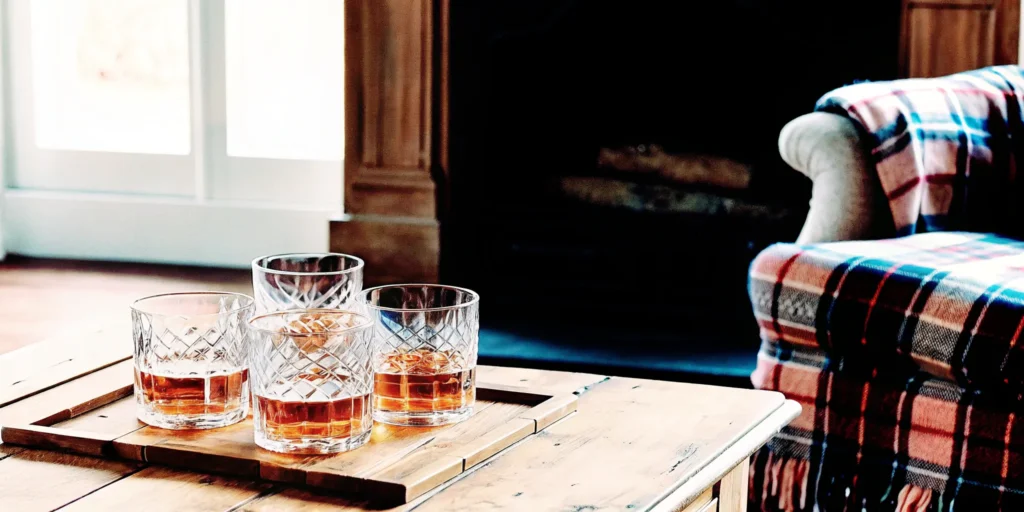
Let’s be honest: your first sip of whiskey shouldn’t feel like a dare. For years, I thought I just wasn’t a “whiskey person” because my only experiences involved drinks that were harsh and overpowering. It turns out I was just trying the wrong kind. The secret isn’t learning to tolerate the burn; it’s finding a spirit that’s genuinely enjoyable from the start. A great whiskey can be rich with notes of caramel, vanilla, and fruit, offering a warm and pleasant finish instead of a sharp kick. This guide is all about helping you find that perfect bottle. We’ll walk you through everything you need to know to pick a smooth whiskey with no bite for beginners, so you can skip the bad experiences and go straight to discovering a drink you’ll love.
Key Takeaways
- Choose your first bottle wisely: Stick to approachable styles like Bourbon or Irish whiskey and check the label for a proof between 80 and 90. This sweet spot delivers rich flavor without an overwhelming alcoholic burn, setting you up for a great first impression.
- There’s no wrong way to drink it: Feel free to add a large ice cube or a splash of water to your glass. This simple trick is used by experts to soften the spirit’s intensity and make the underlying notes of vanilla, fruit, and spice easier to taste.
- Smooth doesn’t mean boring: A smooth whiskey is packed with flavor, just without the harshness. Train your palate by looking for common sweet and fruity notes, and remember that the goal is simply to discover what you enjoy, not to follow a set of rules.
What Makes a Whiskey Smooth?
When you hear someone describe a whiskey as “smooth,” they’re usually talking about its texture and taste. A smooth whiskey feels soft and pleasant in your mouth, without a harsh, burning sensation on the way down. It’s the kind of drink you can sip and savor. This desirable quality comes from a few key factors working together. It starts with the recipe, or “mash bill,” which is the mix of grains used to make the whiskey. Grains like corn tend to create a sweeter, softer spirit.
The distillation and filtering process also plays a big part in removing impurities that can cause a sharp taste. But the real magic often happens during the aging process. As whiskey rests in oak barrels, it mellows out, losing its sharp edges and picking up complex flavors from the wood. The result is a well-rounded, smooth and sweet whiskey that’s easy to enjoy, even if you’re just starting your whiskey journey.
What’s That “Bite” in Whiskey?
You’ve probably heard people talk about a whiskey having a “bite.” This term refers to the harshness or sharpness that can hit the back of your throat when you take a sip. It’s a strong, sometimes burning, sensation caused by the alcohol and certain compounds in the spirit. While some seasoned whiskey drinkers enjoy that intensity, it can be off-putting for beginners. A smooth-drinking whiskey is the opposite—it has a pleasant taste and texture that allows it to slide down easily, leaving a warm, gentle finish instead of a fiery kick. The smoother the whiskey, the more enjoyable the overall experience tends to be.
Key Traits of a Smooth Whiskey
Smooth whiskeys are fantastic for anyone new to the spirit because they are designed to be approachable and easy to drink. You don’t have to force yourself to like them. These whiskeys are often characterized by sweeter flavor profiles with notes of vanilla, caramel, and fruit, which help balance out the alcohol’s intensity. Their gentle nature makes them particularly appealing to beginners, proving that whiskey doesn’t have to be an intimidating drink reserved for experts. Starting with the right kind of smooth whiskey can help you appreciate the spirit’s complexity without feeling overwhelmed.
How Distillation and Aging Create Smoothness
A huge part of what makes a whiskey smooth is the time it spends aging in an oak barrel. When a freshly distilled spirit goes into a barrel, it’s often clear and has a very sharp, raw alcohol taste. As it rests in the wood, sometimes for years, a transformation occurs. The whiskey interacts with the oak, which acts as a filter and mellows out the harsh flavors. This aging process is what develops the rich, complex character of a high-quality, smooth-tasting whiskey. It also imparts those classic notes of vanilla, caramel, and spice that make a whiskey so delicious and easy to sip.
How Does Alcohol Content Affect Smoothness?
When you hear someone describe a whiskey as having a “bite” or a “burn,” they’re usually talking about the sensation from the alcohol itself. The higher the alcohol content, the more intense that feeling can be. Think of it like the difference between a mild salsa and a ghost pepper one—both have flavor, but one brings a lot more heat. Understanding the alcohol percentage, or proof, is one of the easiest ways to predict how smooth a whiskey will feel. It’s not the only factor, but it’s a big one, and knowing what to look for on the label can help you find a bottle you’ll genuinely enjoy sipping.
The Sweet Spot: 80-90 Proof Whiskeys
For your first few bottles, the 80-90 proof range is the perfect place to start. Proof is simply double the Alcohol by Volume (ABV), so we’re talking about whiskeys that are 40-45% alcohol. This is the sweet spot where you can taste the rich flavors of the grain, the barrel, and any other notes without being overwhelmed by alcoholic heat. Many of the most popular and smooth whiskeys for beginners fall right into this category. It’s strong enough to feel like a proper spirit but gentle enough to let you pick out those delicious vanilla, caramel, or fruit notes without wincing.
How Higher Proof Changes the Taste
As the proof climbs above 90, the alcohol starts to play a much bigger role in the tasting experience. These higher-proof whiskeys, sometimes labeled “cask strength” or “barrel proof,” are prized by enthusiasts for their bold, concentrated flavors. For a newcomer, however, that intensity can taste like pure burn, masking all the subtle notes you’re trying to find. Don’t worry, you don’t have to drink it straight. The strong alcohol taste can be softened by adding a splash of water or a few ice cubes. This simple trick can open up the whiskey, mellowing the heat and making it much more approachable. You can also explore easy whiskey cocktails that use the spirit’s bold character as a base.
Smooth Whiskey Styles to Try First
If you’re just starting your whiskey journey, it helps to know where to begin. The world of whiskey is vast, with different regions and production methods creating a wide range of flavors. Some styles are naturally softer and more approachable, making them perfect for a first pour. Think of it like trying coffee for the first time—you probably wouldn’t start with a straight shot of dark roast espresso.
Instead, you can ease in with styles known for their smooth, gentle character. Exploring these categories will help you discover what you like without the harsh, fiery experience you might be worried about. From the light and fruity notes of Irish whiskey to the sweet, caramel-forward profile of bourbon, there’s a smooth style out there that will click with your palate. Getting familiar with these foundational types of whiskey is the best way to build your confidence and find your new favorite drink.
Irish Whiskey: Light and Triple-Distilled
Irish whiskey is famous for its exceptionally smooth finish, making it a fantastic starting point. A key reason for this is that it’s typically distilled three times, a process that removes more impurities and results in a lighter, cleaner spirit. This extra step creates a whiskey that’s less about a powerful punch and more about gentle, approachable flavors.
When you sip an Irish whiskey, you’ll often find light, fruity, and floral notes. It’s easy on the palate and lacks the heavy, smoky character found in other styles. If you’ve been hesitant to try whiskey because you’re worried it will be too intense, an Irish whiskey is a great way to prove yourself wrong. It’s a welcoming introduction that showcases the softer side of the spirit.
Bourbon: Sweet and Corn-Based
If you have a bit of a sweet tooth, bourbon is the perfect place to start. As an American whiskey, bourbon has a few rules it has to follow, and the most important one is that it must be made from at least 51% corn. Corn is a sweet grain, and that sweetness comes through in the final product, making it one of the most popular whiskeys for beginners.
Bourbon is aged in new, charred oak barrels, which gives it its signature deep amber color and rich flavors. You can expect to taste notes of vanilla, caramel, and toffee, with a warm, oaky finish. It’s a full-flavored yet smooth spirit that’s delicious on its own or as the base for classic cocktails.
Blended Whiskeys: Balanced and Easy to Drink
Blended whiskeys are specifically crafted to be smooth and consistent. Just as the name suggests, they are a mix of different types of whiskeys, often combining lighter grain whiskeys with more flavorful malt whiskeys. The art of blending is all about creating a final product that is perfectly balanced, harmonious, and easy to drink.
This process often softens the sharp edges of any single whiskey, resulting in a spirit that’s incredibly approachable. Many of the world’s most popular whiskeys are blends for this very reason—they appeal to a wide audience and deliver a reliable, smooth experience every time. If you’re looking for a safe bet that won’t overwhelm your palate, a well-made blended whiskey is an excellent choice.
Japanese Whisky: Delicate and Nuanced
Inspired by Scotch but with a unique character all its own, Japanese whisky is celebrated for its incredible precision and balance. Distillers in Japan focus on creating a clean, delicate, and complex spirit. While the flavors can vary, many Japanese whiskies are known for being light and floral, with subtle hints of honey, fruit, and sometimes a whisper of spice.
This style is perfect for someone who appreciates nuance and craftsmanship. It’s smooth and refined, offering a sophisticated sipping experience without any aggressive bite. A Japanese whisky can show you just how elegant and layered a whiskey can be, making it a wonderful and often surprising introduction for newcomers.
What Flavors to Expect in a Smooth Whiskey
When you hear “smooth whiskey,” you might picture something mild or even bland, but that couldn’t be further from the truth. A smooth whiskey is packed with flavor, just without the harsh alcoholic burn that can turn beginners away. The fun part of starting your whiskey journey is discovering which flavors you enjoy most. As you sip, you’ll start to notice a whole world of tastes, from sweet and fruity to warm and spicy. Think of it like becoming a coffee or wine enthusiast—the more you taste, the more you can appreciate the subtle differences. Let’s get into some of the common, and delicious, flavor notes you can look for.
Sweet Notes: Vanilla, Caramel, and Honey
Many of the most approachable whiskeys lead with a comforting sweetness. This isn’t from added sugar, but from the natural process of making the spirit. Grains like corn, which are the base for bourbon, lend a natural sweetness to the final product. The real magic, however, happens in the barrel. As whiskey ages in charred oak barrels, it pulls out incredible flavors like vanilla, toffee, and rich caramel. These are the notes that make a whiskey feel warm and familiar. If you have a sweet tooth, you’ll likely gravitate toward these smooth and sweet whiskeys that offer a dessert-like richness without being overpowering.
Fruity Notes: Apple, Pear, and Citrus
If you prefer something a bit lighter, you’ll be happy to know that many smooth whiskeys have a bright, fruity side. These notes can range from crisp green apple and pear to zesty citrus. You’ll often find these flavors in lighter styles like Irish whiskey or certain Japanese whiskies. These fruity characteristics can come from the specific strains of yeast used during fermentation or the type of cask the whiskey is aged in. It’s a great reminder that whiskey is incredibly diverse. So if the deep, caramel-heavy profile isn’t for you, a bottle with prominent fruity and floral notes might be your perfect match.
Subtle Spices and Finishes
Beyond the initial sweet or fruity flavors, you’ll often find a layer of gentle spice. Think of warm baking spices like cinnamon, nutmeg, or a hint of black pepper. These notes usually come from the oak barrel and add a lovely complexity that keeps each sip interesting. This leads to the “finish,” which is the taste that lingers after you’ve taken a sip. In a smooth whiskey, the finish is warm and pleasant, not sharp or aggressive. The aging process is key here, as it mellows out any harshness and allows these delicate, spicy notes to shine through, making for a satisfying and well-rounded drink.
Our Top Picks for Smooth Whiskey
Ready to find your first favorite whiskey? Starting with a smooth, approachable bottle is the key to a great experience. We’ve put together a list of fantastic whiskeys that are known for being easy to drink, flavorful, and free of that harsh bite. From sweet and unique to classic and balanced, there’s something here for every new whiskey explorer. These picks are consistently praised for their quality and smoothness, making them perfect for sipping neat, on the rocks, or in a simple cocktail.
For a Sweet Treat: Mash & Mallow S’Mores Whiskey
If you have a sweet tooth, this is the perfect place to start. Mash & Mallow S’Mores Whiskey is designed to be incredibly smooth and fun. It captures the nostalgic campfire flavors of toasted marshmallow, rich chocolate, and sweet graham cracker, all blended with a gentle American whiskey. It’s a delightful treat you can sip on its own over ice or use to create some truly memorable cocktails. This isn’t your traditional whiskey—it’s an experience that’s all about flavor and enjoyment.
Our Favorite Irish Whiskeys: Jameson & Redbreast 12
Irish whiskeys are famous for their exceptionally smooth character, and these two are prime examples. Jameson is a classic for a reason; it’s light and easygoing with soft notes of vanilla and a hint of nuttiness. For something a bit richer, try Redbreast 12. It’s incredibly creamy and smooth, earning high praise from both new drinkers and seasoned enthusiasts. You can’t go wrong with either one when you’re looking for a gentle introduction to the world of whiskey.
Go-To Bourbons: Buffalo Trace & Four Roses Small Batch
Bourbon’s naturally sweet profile makes it a great starting point. Buffalo Trace Kentucky Straight Bourbon is wonderfully balanced, with a smoothness that appeals to everyone. It’s a fantastic, reliable choice you can sip neat or on the rocks. Another excellent option is Four Roses Small Batch. It’s affordable, easy to find, and has a mellow profile that makes it perfect for your first whiskey sours or old fashioneds. These bourbons prove that you don’t need to spend a lot to get a quality, smooth spirit.
Approachable Blends: Monkey Shoulder & Basil Hayden
Blended whiskeys are crafted specifically for balance and smoothness, making them ideal for beginners. Monkey Shoulder is consistently recommended for its approachable, easy-drinking profile that mixes well in just about any cocktail. Similarly, Basil Hayden is often highlighted as one of the smoothest bourbons out there. It has a lighter body and a clean finish, making it very easy to enjoy. Both of these bottles are great to have on hand when you want a simple, no-fuss whiskey experience.
How to Taste Whiskey for the First Time
Ready to give whiskey a real try? Forget everything you’ve seen in old movies about tossing back shots. Tasting whiskey is all about slowing down and enjoying the experience. It’s way more approachable than it seems, and you don’t need a special palate to get started. The goal is simply to figure out what you like.
Set Up Your First Tasting
First, pick your whiskey. A good beginner whiskey should be smooth and balanced, without an overpowering smoky flavor. Something with familiar, sweet notes is a great place to start. Our own Mash & Mallow S’Mores Whiskey was crafted to be fun and easy to sip, with flavors of chocolate, marshmallow, and graham cracker. Pour about an ounce or two into a glass—a simple rocks glass or tumbler is perfect. You don’t need fancy equipment. Just find a comfortable spot where you can relax and take your time with the drink in front of you.
Sip, Don’t Shoot: Proper Tasting Technique
The single most important rule is to sip, not shoot. Whiskey has complex flavors that are meant to be savored, and taking small sips is the best way to appreciate them. For your very first taste, try the whiskey neat—that means with no ice or mixers. This gives you the purest sense of its character. Give it a small taste and let it sit on your tongue for a moment. If the flavor feels a bit intense, that’s completely normal. You can then add a large ice cube or a few drops of water. This will chill the spirit and mellow it out, making it feel even smoother without diluting the flavor too quickly.
Use Your Senses to Find the Flavors
Tasting is about more than just your tongue; it involves your sense of smell, too. Before you take a sip, bring the glass to your nose and gently inhale. What do you smell? With Mash & Mallow, you might pick up on rich chocolate or sweet vanilla. This step prepares your palate for the flavors to come. After you take a sip, let the whiskey roll over your tongue. See if you can identify different notes. Finally, pay attention to the finish—the subtle taste that lingers in your mouth after you swallow. There are no wrong answers here; it’s all about what you personally experience.
Simple Ways to Make Whiskey Even Smoother
Even the smoothest whiskey can be fine-tuned to your personal taste. If you find a particular bottle has a little more bite than you’d like, don’t write it off just yet. A few simple adjustments can soften the alcoholic heat and bring out the delicious underlying flavors. Think of these tricks as your personal toolkit for making any glass of whiskey a more enjoyable experience. They’re easy, require no special equipment, and are used by whiskey lovers at every level of expertise.
Add a Little Ice or Water
This is the oldest trick in the book for a reason: it works. Adding a few drops of water or a single large ice cube can instantly tame the alcoholic burn. This small amount of dilution lowers the proof just enough to let the whiskey’s other flavors—like vanilla, caramel, or fruit—step forward. Many distillers and professional tasters actually add a little water to “open up” the whiskey’s aroma and taste. Start with just a splash of water or one large ice cube, which melts slower and won’t water down your drink too quickly. You can always add more until you find the perfect balance for your palate.
Let Your Whiskey Breathe
Just like a good red wine, some whiskeys benefit from a little air time. Letting your whiskey sit in the glass for 10 to 15 minutes before you take a sip can make a surprising difference. This process allows some of the more volatile alcohol vapors to evaporate, which can mellow out any harshness and soften the initial bite. It’s a simple, hands-off way to smooth out your drink. Pour your whiskey, then go grab a snack or put on a record. When you come back to it, you might find the flavors are more integrated and the finish is much smoother.
Find the Right Temperature
Temperature plays a huge role in how we perceive flavor, and whiskey is no exception. The best way to start is by tasting it neat, at room temperature, to get a true sense of its character. If it feels a bit too intense, try chilling it. A large ice cube is a great option, as it cools the liquid without diluting it too fast. You could also use whiskey stones if you want to chill your drink without any dilution at all. Cooling the whiskey can mute the alcohol burn and make for a silkier sip, which is perfect when you’re just starting out or making some fantastic whiskey cocktails.
More Ways to Enjoy Smooth Whiskey
Once you’ve found a smooth whiskey you like, the fun really begins. Drinking whiskey isn’t just about sipping it neat from a fancy glass (though that’s a great option, too). There are so many other ways to enjoy it, whether you’re mixing up a simple drink after work or looking for the perfect snack to pair with your pour. Exploring cocktails, mixers, and food pairings can help you appreciate the complex flavors in your bottle even more. Let’s get into a few easy and delicious ways to make the most of your whiskey.
Easy Whiskey Cocktails for Beginners
If you find straight whiskey a bit intense, cocktails are your best friend. They soften the spirit’s alcoholic punch while highlighting its best flavors. You don’t need a bartending kit to get started, either. A simple Highball—just whiskey and sparkling water or club soda over ice with a lemon twist—is a refreshing classic. For something a little sweeter, try a Whiskey Smash by muddling mint and lemon before adding your whiskey and a touch of sugar. These drinks are forgiving and a fantastic way to get comfortable with the spirit. For more ideas, check out our list of whiskey cocktails that are perfect for any occasion.
Simple Mixers That Work Every Time
You don’t always need a shaker and strainer to make a great drink. Sometimes, a simple two-ingredient mix is all you need. Sweet whiskeys, especially bourbons and flavored spirits like Mash & Mallow, are excellent with a splash of something bubbly. Ginger ale is a classic choice that brings out whiskey’s spicy notes, while cola adds a familiar sweetness. For a truly decadent treat, try mixing a sweet whiskey with cream soda or root beer for a drink that tastes like a boozy float. And here’s a pro tip: even a few drops of plain water can open up a whiskey’s aroma and soften the alcohol burn, letting more subtle flavors come through.
Food Pairings to Try
Just like wine, whiskey can be even better when paired with the right food. The goal is to find flavors that either complement or contrast with the notes in your glass. For sweeter, smoother whiskeys, you have plenty of delicious options. The rich, bitter notes in a piece of dark chocolate are a perfect match for the caramel and vanilla in the spirit. Salty and savory snacks also work wonders. Try sipping your whiskey alongside a bowl of roasted nuts or with a slice of aged cheddar. The saltiness provides a beautiful contrast to the whiskey’s sweetness, creating a perfectly balanced tasting experience.
Whiskeys to Avoid on Your First Pour
Just as important as knowing which whiskeys to try is knowing which ones to save for later. Your first experience should be enjoyable, not a test of endurance. Some styles have intense, complex flavors that can be overwhelming if you’re not used to them. Think of it like this: you probably wouldn’t start with the spiciest dish on the menu at a new restaurant. The same idea applies here. By sidestepping a few specific types of whiskey at the beginning, you give your palate a chance to adapt and appreciate the spirit’s nuances without being scared off by a powerful first impression.
Why to Skip High-Proof Whiskeys for Now
You might see terms like “cask strength” or “barrel proof” on a label. These are signals that the whiskey is high-proof, meaning it hasn’t been diluted with much (or any) water before bottling. While seasoned drinkers often seek these out for their intense flavor, the high alcohol content creates a significant burn that can easily overpower the whiskey’s other characteristics. A whiskey’s smooth feel comes from its texture, the grains used, and the aging process—all things that are harder to detect when your taste buds are on fire. It’s best to start with whiskeys in the 80–90 proof range and work your way up once you’re more comfortable.
Steer Clear of Peat and Heavy Smoke
If you’ve ever heard someone describe a whiskey as “smoky,” they were likely talking about a peated Scotch. Peat is a type of turf that’s burned to dry the barley used in some whiskeys, especially those from the Islay region of Scotland. This process imparts a very strong, smoky flavor that can taste earthy, medicinal, or even like a campfire. While many people love this unique profile, it’s definitely an acquired taste. For your first pour, you’ll have a much better time with whiskeys that lead with sweet, fruity, or light spice notes. You can always explore the world of different whiskey varieties and peated Scotch later on.
Common Myths About Drinking Whiskey
Let’s clear the air on a few things. The biggest myth is that all whiskey is harsh and only for seasoned drinkers with iron palates. That’s just not true. Getting started with whiskey doesn’t have to be difficult; the key is finding one that’s smooth and balanced. In fact, many whiskeys are specifically crafted to be smooth and sweet, making them perfect for beginners. Another myth is that there are strict rules, like you must drink it neat. Feel free to add a splash of water, a few ice cubes, or mix it into a simple cocktail. The goal is to find what you enjoy, so don’t let old-fashioned notions hold you back.
Related Articles
- What is the Smoothest Whiskey? Our Top Picks
- 10 Smoothest Whiskeys Under $50 (2025 Guide)
- The Best Smooth Whiskey to Drink Straight
Frequently Asked Questions
Is older whiskey always smoother? Not necessarily. While aging in an oak barrel is crucial for mellowing out a whiskey’s harsh edges, more time doesn’t automatically equal more smoothness. After a certain point, the wood can start to overpower the spirit, making it taste bitter or tannic. A well-made younger whiskey can be much smoother than an older one that wasn’t crafted with the same care. It’s better to focus on the style and proof of the whiskey rather than just the age statement on the bottle.
What’s the easiest way to tell if a whiskey will be smooth before I buy it? When you’re standing in the store, check the label for two key things: the style and the proof. Look for styles known for being approachable, like Irish whiskey, bourbon, or a blended whiskey. Then, check the alcohol content. A proof between 80 and 90 (40-45% ABV) is usually the sweet spot for beginners, as it delivers great flavor without an overwhelming alcoholic burn.
Do I really need a special glass for tasting whiskey? Absolutely not. While there are fancy glasses designed to concentrate the aromas, you don’t need one to start. A standard rocks glass or even a simple tumbler will work perfectly fine. The most important thing is that you feel comfortable and can easily sip your drink. Don’t let a lack of special equipment stop you from enjoying your first bottle.
Is flavored whiskey a good starting point for someone new to whiskey? Yes, it can be a fantastic way to begin. Flavored whiskeys, like our Mash & Mallow S’mores Whiskey, are specifically designed to be smooth, sweet, and easy to drink. They introduce you to the warmth and character of whiskey while leading with familiar, delicious flavors. This can make your first experience more fun and less intimidating, helping you build a bridge to trying more traditional styles later on.
What if I try a recommended ‘smooth’ whiskey and still find it too strong? That’s completely okay, and it happens to a lot of people. Your palate is just getting used to a new, complex spirit. The first thing to try is adding a large ice cube or a splash of water to your glass. This simple trick can instantly soften the taste. You can also try mixing the whiskey into a simple cocktail, like a whiskey and ginger ale, which will make it even more approachable.
