
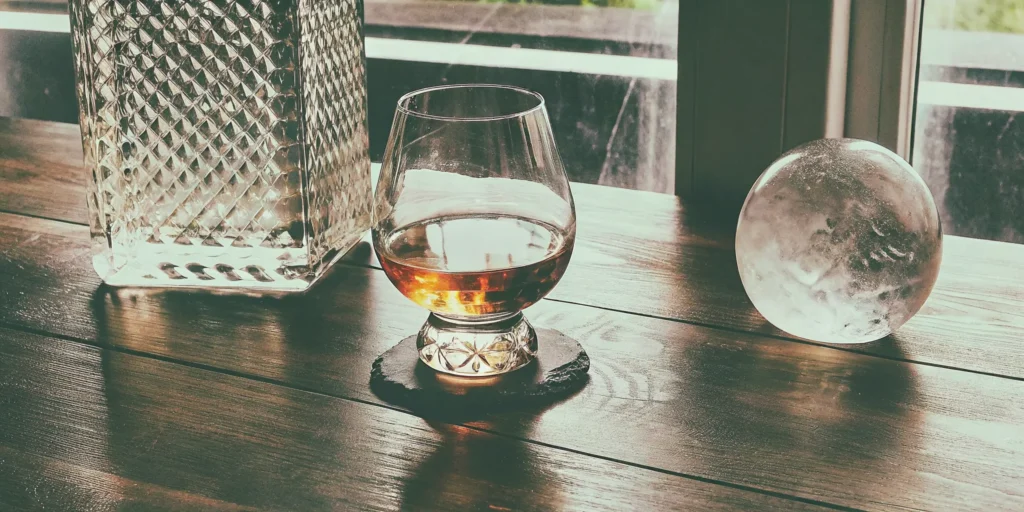
Have you ever noticed how the same whiskey can taste completely different from one day to the next? It’s not your imagination; it’s all about temperature and preparation. How you serve whiskey is a total game-changer for its flavor and aroma. A few degrees of warmth or a single ice cube can transform your drink, hiding some notes while making others sing. This guide will walk you through the simple science behind serving it warm, chilled, or with a splash of water, helping you find your perfect pour every single time.
Key Takeaways
- Know the Four Classic Pours: How you serve whiskey directly impacts its taste; try it neat for pure flavor, on the rocks for a refreshing chill, with a splash of water to open up aromas, or in a cocktail for a creative twist.
- Control Temperature and Dilution: Room temperature brings out the most complex flavors, while a large ice cube offers a chill with minimal watering down, and a few drops of water can soften the spirit to reveal new notes.
- Find What You Love: There are no strict rules, so use these methods as a starting point and experiment with different pours and mixers to discover your personal preference for enjoying your favorite whiskey.
First, What Exactly Is Whiskey?
Before we get into how to drink whiskey, let’s cover what it is. At its core, whiskey is a spirit made from fermented grain mash. Different grains—like barley, corn, rye, and wheat—are used to create distinct styles. The basic process involves mixing grains with water, fermenting the mixture to create alcohol, distilling it to increase the proof, and then aging the liquid in wooden barrels, usually oak. This aging process is where whiskey develops its signature amber color and much of its complex flavor. It’s a simple formula that has given rise to an incredible variety of spirits around the world, each with its own unique character and story.
From Grain to Glass: The Basics
Think of making whiskey like a very patient form of baking. It all starts with the grain. The chosen grains are milled and cooked with water to create a mash. Yeast is then added to the mash, and it works its magic by eating the sugars and converting them into alcohol. This beer-like liquid is then distilled, a process that purifies and concentrates the alcohol. Finally, the clear spirit is put into wooden barrels to age for at least a few years. During this time, the spirit interacts with the wood, soaking up color and compounds that create the rich, layered flavors of vanilla, caramel, and spice that we associate with a great whiskey.
A World of Whiskey: Common Types to Know
The type of grain used, where the whiskey is made, and the specifics of the aging process determine what kind of whiskey ends up in your glass. While there are countless variations, most whiskeys fall into a few key categories. Getting to know them is the first step in finding what you like. Beyond these traditional styles, you’ll also find modern flavored whiskeys, like our own Mash & Mallow S’mores Whiskey, which build on a classic American whiskey base to create entirely new taste experiences. Here are the main types you’ll encounter.
Bourbon
To be called bourbon, a whiskey must be made in the United States from at least 51% corn and aged in new, charred oak barrels. The high corn content gives bourbon its characteristically sweet flavor profile, with notes of vanilla, caramel, and oak. It’s a fantastic and versatile base for many classic cocktails, but it’s also smooth enough to sip on its own. Its approachable sweetness makes it a popular starting point for many people who are new to the world of whiskey.
Rye Whiskey
As the name suggests, rye whiskey is made from a mash of at least 51% rye grain. This gives it a spicier, more peppery flavor profile compared to the sweetness of bourbon. You’ll often taste notes of baking spices, black pepper, and a hint of fruit. Rye has a drier finish and a robust character that stands up well in cocktails like the Manhattan or Old Fashioned. If you enjoy a spirit with a bit more bite and complexity, rye is an excellent choice to explore.
Scotch Whisky
Hailing from Scotland, Scotch whisky (spelled without the “e”) is typically made from malted barley. It must be aged in oak casks for at least three years. Scotch is famous for its incredible range of flavors, from light and floral to rich and smoky. The smoky varieties get their distinct taste from peat, which is used to dry the barley. This peated style is what many people think of when they hear “Scotch,” but there are plenty of unpeated options that are smooth and sweet.
Irish Whiskey
Irish whiskey is known for being exceptionally smooth, light, and approachable. It’s often triple-distilled, a process that results in a cleaner, softer spirit compared to its twice-distilled counterparts. While it can be made from a variety of grains, its signature smoothness makes it incredibly easy to drink. You’ll typically find notes of fruit, vanilla, and a subtle floral quality. It’s a perfect whiskey for sipping neat or mixing into a simple, refreshing drink without overpowering other ingredients.
Understanding Whiskey Pours
Walking up to a bar and ordering whiskey can feel like you need a secret decoder ring. What’s the difference between a “dram” and a “finger”? How much are you actually getting? The terminology is simpler than it sounds, and knowing it will help you order with confidence. A standard pour ensures you get a consistent amount for tasting, while other terms are a bit more fluid. Understanding these measurements also helps you keep track of your consumption and enjoy your whiskey responsibly. Let’s break down the lingo so you know exactly what you’re asking for.
Decoding the Lingo: Dram, Finger, and Pony
You’ll often hear whiskey enthusiasts talk about having a “dram.” While it sounds official, a dram is just a casual term for a small pour of whiskey, not a precise measurement. More specific is a “pony,” which is exactly 1 fluid ounce. Then there’s the “finger,” an old-school way to measure a pour by the width of a finger against the glass. A pour of “two fingers” is generally considered a full serving, but since everyone’s fingers are different, the actual amount can vary. It’s a charmingly inexact system, but it’s good to know what someone means if they offer you a finger of their favorite spirit.
How Pours Vary Around the World
If you order a whiskey neat, you’ll typically receive a standard serving of 1.5 to 2 fluid ounces. This is the most common whiskey serving size you’ll find in bars across the United States and in many other parts of the world. This amount is just right for sipping, allowing you to appreciate the whiskey’s aromas and flavors without being overwhelming. Of course, you can always ask for a “double,” which is usually 3 ounces. This consistency helps ensure you get what you expect, whether you’re trying a new bourbon at your local spot or a rare Scotch while traveling.
What Counts as a “Standard Drink”?
When it comes to responsible drinking, it’s helpful to know what health experts consider a “standard drink.” In the United States, the CDC defines one standard drink as containing 0.6 ounces of pure alcohol. For an 80-proof whiskey (which is 40% alcohol by volume), this equals a 1.5-ounce pour. This measurement is a useful guideline for pacing yourself and understanding how much alcohol you’re consuming. So, that standard 1.5-ounce neat pour you order at a bar is officially one standard drink. Knowing this makes it easier to enjoy your whiskey thoughtfully and safely.
4 Classic Ways to Serve Whiskey
So, you’ve got a bottle of whiskey you’re excited to try. What’s the best way to pour it? The truth is, there’s no single right answer, but how you serve it can completely change what you taste and smell. Whether you’re a seasoned whiskey drinker or just starting to explore, understanding the classic methods can help you find your perfect pour. From sipping it straight to mixing it in a classic cocktail, each approach offers a different experience. Let’s walk through the four most common ways to serve whiskey, so you can decide which one sounds best to you.
Try It Neat for the Purest Flavor
Drinking whiskey “neat” simply means pouring it straight from the bottle into a glass with nothing else added. No ice, no water, no mixers. This method is all about experiencing the spirit in its purest form. When you drink whiskey neat, it’s served at room temperature, which allows the full, complex character of the spirit to come through. You’ll be able to appreciate its complex aromas and taste every note exactly as the distiller intended. This is a fantastic way to try a new whiskey for the first time, giving you a true baseline for its unique flavor profile before you experiment with other methods.
On the Rocks: The Right Way to Chill Your Whiskey
If you prefer your drink chilled, serving whiskey “on the rocks” is the way to go. This just means pouring the whiskey over ice. The ice cools the spirit down, which can mellow out some of the stronger alcohol notes and create a smoother, more refreshing experience. A great tip is to use larger ice cubes or a single large ice sphere. Big cubes melt much slower than smaller ones, which minimizes dilution and helps maintain the integrity of the whiskey while it chills. This method is perfect for a warm evening or for anyone who finds the intensity of a neat pour a little overwhelming.
For Chilling Without Dilution: Whiskey Stones
If you love a chilled whiskey but hate how melting ice waters it down, whiskey stones are your new best friend. These little cubes, usually made from non-porous soapstone or stainless steel, cool your drink without diluting it one bit. This means you can maintain the integrity of the whiskey’s flavor from the first sip to the last. Just keep them in your freezer for a few hours, then drop a couple into your glass. This trick is especially useful for a whiskey with a unique profile, like our Mash & Mallow S’Mores Whiskey. You wouldn’t want water to dull those delicious notes of chocolate, graham cracker, and toasted marshmallow. Using whiskey stones lets you enjoy the full, rich flavor, just chilled—the perfect solution for anyone who wants their whiskey cold, but not compromised.
Add a Splash of Water to Unlock New Aromas
It might sound counterintuitive, but adding a few drops of water to your whiskey can actually open up the flavor. A small amount of water can lower the alcohol percentage just enough to soften the initial burn, allowing more subtle notes to come forward. Many experts find that this simple addition helps to release subtler flavors and aromas that might otherwise be masked by the alcohol. The key is to start small. Use a straw or a dropper to add just a drop or two of room-temperature water, give the glass a gentle swirl, and then take a sip. You might be surprised by the new layers of flavor you discover.
Mix It Up: Getting Creative with Whiskey Cocktails
Whiskey is an incredibly versatile spirit and serves as the foundation for some of the most iconic cocktails ever created. Mixing whiskey allows you to play with complementary flavors and create a balanced, delicious drink. Classics like the Old Fashioned, Manhattan, and Whiskey Sour are timeless for a reason; they showcase the whiskey’s character while adding layers of sweetness, bitterness, or citrus. These creative mixing options are a fun way to enjoy your favorite spirit. And for a truly unique twist, try swapping in a flavored whiskey like Mash & Mallow to give your favorite cocktails a s’mores-inspired spin.
Served “Straight Up”: Chilled Without the Ice
You might hear the term “straight up” at a bar and assume it’s the same as “neat,” but there’s a key difference. Ordering a whiskey “straight up” means you want it chilled, but served without any ice in the glass. The bartender will typically shake or stir the whiskey with ice to get it cold, then strain it into a coupe or martini glass. This method gives you the refreshing chill of an iced drink without the dilution that happens as the cubes melt. It’s a great middle-ground for those who find neat whiskey a bit too intense but still want to experience the spirit’s concentrated flavor profile.
Getting Cozy: The Hot Toddy
When the weather turns cold, nothing beats a warm whiskey drink, and the Hot Toddy is the undisputed classic. This comforting beverage is essentially a warm cocktail made with whiskey, hot water, honey, and lemon, often spiced with cinnamon or cloves. The warmth from the drink does a wonderful thing: it helps release the whiskey’s complex aromas, creating a soothing and fragrant experience. While a traditional Hot Toddy is fantastic, you can also get creative. Imagine swapping in a flavored spirit like Mash & Mallow S’mores Whiskey for a rich, chocolatey twist on the classic. It’s the perfect way to craft a cozy nightcap.
Does Your Glassware Really Matter?
You might be wondering if the glass you pour your whiskey into actually makes a difference. The short answer is yes, it absolutely does. While you can certainly enjoy a drink from any cup, the right glassware is designed to improve the tasting experience by focusing the aromas and directing the liquid to the right parts of your palate. Think of it this way: the shape of the glass can either trap and concentrate the whiskey’s delicate scents or let them escape too quickly.
Choosing the right glass depends entirely on how you plan to enjoy your whiskey. Are you sitting down for a careful tasting to appreciate every single note? Or are you mixing up a fun cocktail for a get-together with friends? Each scenario has a glass that’s perfectly suited for the job. You don’t need a cabinet full of fancy crystal to get it right. Understanding the basics of a few key styles will help you get the most flavor and fun out of every pour. Let’s break down the three most common types of whiskey glasses and when to use them.
The Glencairn: A Must for Serious Tasting
If you’ve ever been to a whiskey tasting, you’ve probably seen the Glencairn. This glass looks like a tulip with a short, sturdy base, and it’s the go-to choice for connoisseurs. The design isn’t just for looks; its shape is specifically engineered for tasting. The wide bowl allows you to swirl the whiskey, releasing its complex aromas, while the narrow rim helps to concentrate the aromas and direct them right to your nose. This makes it much easier to pick up on subtle notes of vanilla, oak, or spice. When you want to truly sit with a whiskey and appreciate its character, the Glencairn is your best friend.
The Tulip Glass and Snifter: Focusing the Aromas
Similar to the Glencairn, other tulip-shaped glasses and snifters are designed with one goal in mind: to capture and concentrate the whiskey’s aroma. These glasses all share a similar design—a wide bowl that allows the whiskey to breathe and a narrow, tapered rim. Swirling the liquid in the wide bowl helps release the spirit’s complex scents, and the smaller opening funnels them directly to your nose. Since so much of what we perceive as flavor actually comes from smell, this design makes a huge difference. A snifter, often seen with brandy, works the same way and its shape even encourages you to cup the bowl with your hand, gently warming the whiskey to release even more aromatic layers.
The Rocks Glass: Your Everyday Essential
The rocks glass, also known as an Old Fashioned glass or a lowball, is the most recognizable whiskey glass out there. With its wide rim and thick, heavy base, it feels solid and comfortable in your hand. This glass is a versatile choice for enjoying your whiskey neat, with a large ice cube, or as the foundation for a classic cocktail like the Old Fashioned. The wide opening allows the aromas to flow freely, which is great for spirits with bold character. It’s a durable, all-purpose option that’s perfect for a casual weeknight pour and is a staple in any home bar.
The Tumbler: Your Best Bet for Mixed Drinks
A tumbler, or highball glass, is the taller cousin of the rocks glass. It’s the workhorse for mixed drinks and cocktails. Its simple, straight-sided design provides plenty of room for ice, whiskey, and your favorite mixers like soda or ginger ale. The wide opening makes it easy to build your drink right in the glass and add a garnish. While it’s not designed to concentrate aromas for a detailed tasting, it’s the ideal for drinks where the whiskey is mingling with other ingredients. This is the glass you’ll want to reach for when you’re mixing up a refreshing whiskey highball or a creative Mash & Mallow concoction.
A Quick Note on Cleaning Your Glassware
It might seem obvious, but how you clean your glass is just as important as which one you choose. A glass that looks clean isn’t always ready for whiskey. Lingering soap residue, dust, or even scents from a dish towel can completely alter the delicate aromas and flavors you’re trying to appreciate. To make sure you’re getting a pure taste, the best method is simple. Always use a clean glass that has been thoroughly rinsed with warm water to remove any potential contaminants. Afterward, let it air dry upside down on a rack or a clean towel. This prevents lint from sticking to the inside and ensures there are no competing smells. It’s a small step that makes a huge difference in preserving the true character of your pour.
Why Temperature Is Key to Your Whiskey’s Taste
Have you ever noticed how the same whiskey can taste different depending on how it’s served? That’s not your imagination. Temperature plays a huge role in what aromas and flavors you experience in your glass. A few degrees can completely change the character of your drink, either hiding certain notes or helping others shine. Understanding how temperature works can help you find the perfect way to enjoy every sip, whether you’re trying a new spirit or relaxing with an old favorite. Let’s get into how serving your whiskey warm, chilled, or with a little water can transform your tasting experience.
Why Room Temperature Reveals More Flavor
Serving whiskey “neat,” which just means at room temperature with nothing added, is the best way to experience its true character. When whiskey is warm, its aromatic compounds are more volatile, so they evaporate easily and travel to your nose. This is why a neat pour offers the most complex aroma and a full, rich flavor profile. It’s the ideal method for your first taste of a quality spirit. To get the full s’mores experience from our Mash & Mallow whiskey, trying it neat first is a great place to start.
The Ideal Serving Temperature (60-65°F)
While “room temperature” sounds simple, it actually refers to a specific range. Most experts agree that whiskey tastes best when served between 60-65°F (or 15-18°C). This is the sweet spot where the spirit’s complex character can fully express itself. At this temperature, the aromatic compounds in the whiskey become more volatile, meaning they evaporate more easily and travel to your nose, allowing you to pick up on all those delicious notes of chocolate, marshmallow, and graham cracker in our S’mores whiskey. It’s cool enough to prevent the alcohol from feeling too harsh, but warm enough to let the full spectrum of flavors come forward. Storing your bottle in a cool, dark place will help keep it right in this ideal zone.
Should You Chill Your Whiskey? The Pros and Cons
Adding ice, or serving whiskey “on the rocks,” creates a cooler, more refreshing drink. The chill can mellow the alcohol’s intensity, making the whiskey feel smoother. The downside is that cold temperatures can dull some delicate flavors and aromas. Ice also melts and dilutes your drink over time. To get the best of both worlds, use a large ice cube or sphere. Larger cubes melt much slower, chilling your drink with minimal dilution while preserving its flavor.
The Simple Science Behind Dilution and Aroma
It might sound counterintuitive, but adding a few drops of water can make your whiskey more flavorful. A splash of water lowers the alcohol concentration and breaks the surface tension in the glass. This reaction helps release more aromatic compounds, “opening up” the spirit so you can smell and taste new notes. You don’t need much, just a small splash is enough to make the whiskey smoother and more fragrant. This is a favorite trick of whiskey connoisseurs for exploring the full depth of a complex spirit.
How to Properly Taste Whiskey
Tasting whiskey isn’t about following stuffy rules; it’s about learning how to notice all the incredible flavors packed into your glass. By paying a little attention to how you sip, you can pick up on notes of caramel, spice, or even the chocolate and marshmallow in a unique spirit like ours. These simple steps will guide you through a tasting process that helps you get more enjoyment out of every pour, turning a simple drink into a full sensory experience.
Step 1: Let It Breathe
After you pour your whiskey, give it a moment to settle in the glass. This isn’t just a fancy ritual; it actually helps the spirit open up. Gently swirl the glass, watching the liquid coat the sides. This simple action exposes the whiskey to oxygen and helps release its complex smells, giving you a preview of the flavors to come. You’ll notice the aromas start to fill the air around the glass, inviting you in for the first taste. This small pause is the first step in moving from just drinking whiskey to truly experiencing it.
Step 2: A Simple Tasting Technique
Now for the fun part. Before you take a sip, bring the glass to your nose and gently breathe in. Try to identify what you smell. Is it sweet, smoky, or fruity? Next, take a very small first sip—just enough to coat your tongue. Some people find it helpful to hold their breath for a moment as they do this. Swallow, and then breathe out slowly through your mouth. This technique allows the flavors to wash over your palate without the initial shock of the alcohol. That exhale is where the magic happens, revealing the whiskey’s true character.
Step 3: Identify the “Finish”
The “finish” is simply the taste and sensation that lingers in your mouth after you’ve swallowed the whiskey. A quality whiskey will have a finish that evolves, revealing new layers of flavor that you might not have noticed on the initial sip. Pay attention to how long it lasts. Is it a quick, clean finish, or does it stick around for a while? Is it warm and smooth? With a spirit like Mash & Mallow, for example, you might notice the initial whiskey warmth gives way to a lingering sweetness of chocolate or toasted marshmallow. The finish tells a huge part of the whiskey’s story.
Tips for Beginners: How to Start Tasting
If you’re new to drinking whiskey neat, the intensity can be a bit much at first. The key is to start slowly and let your palate adjust. There’s no shame in beginning your journey with a mixer. Try your whiskey with a splash of Coke or ginger ale, and as you get more comfortable, gradually use less mixer. This is a great way to get used to the taste without feeling overwhelmed. The goal is to find what you enjoy, and this gradual approach helps you discover the spirit’s underlying flavors at your own pace.
Trying a Whiskey Flight
One of the best ways to develop your palate is to taste different whiskeys side-by-side. If you can, find a local bar or distillery that offers whiskey flights. A flight is a selection of several different whiskeys served in small, one-ounce pours. This lets you compare and contrast different styles—like a bourbon, a rye, and a Scotch—without having to buy a full bottle of each. It’s a fantastic and cost-effective way to discover what you like and what you don’t. You can even create your own flight at home with a few friends and a couple of different bottles to share.
Ice vs. Water: What Should You Add to Your Whiskey?
Deciding whether to add ice or water to your whiskey is all about personal preference. There’s no single right way to enjoy it; it’s about finding what brings out the flavors you love most. Whether you prefer it chilled, slightly opened up, or completely unadulterated, each method offers a different experience. Let’s look at the most common approaches.
The Great Ice Debate: Does Cube Size Matter?
Serving whiskey “on the rocks” is a classic for a reason. A little chill can be incredibly refreshing. The key is to cool the spirit without watering it down too quickly. That’s why a single, large ice cube or sphere is your best friend. Because it has less surface area, it melts much more slowly than smaller cubes. This keeps your whiskey cool and flavorful from the first sip to the last. It’s a simple switch that makes a huge difference in maintaining the integrity of your drink.
How Much Water Is Just Enough?
Adding a few drops of water might sound counterintuitive, but it can transform the experience. A tiny splash doesn’t dilute the spirit; instead, it can open up the aromas and soften the alcohol’s intensity, allowing subtle flavors to come forward. This is a favorite technique among whiskey tasters. Start with just two or three drops of room-temperature water, using a straw or spoon to add it carefully. Give the glass a gentle swirl and take a sip. You might be surprised by the new notes you discover.
When to Add Nothing at All
For the purest tasting experience, you can’t beat drinking your whiskey neat. This means serving it at room temperature with nothing added, allowing you to appreciate the spirit exactly as the distiller intended. All original aromas, flavors, and textures are on full display. Trying a new whiskey neat is a great way to establish a baseline for its character before you experiment. It’s the perfect method for savoring the rich notes of a unique spirit like our S’Mores Whiskey. While a dedicated tasting glass is ideal, a simple rocks glass works perfectly well.
3 Classic Whiskey Cocktails You Should Master
While sipping whiskey neat is a great way to appreciate its character, cocktails offer a creative way to explore its versatility. The best recipes don’t hide the spirit; they highlight its unique qualities. From timeless classics that have been enjoyed for over a century to modern twists that bring new flavors to the forefront, there’s a whiskey cocktail for every palate. Learning to make a few key recipes is a great skill for any whiskey fan. Let’s walk through a few essential drinks that form the foundation of whiskey mixology.
The Old Fashioned: A Timeless Classic to Master
The Old Fashioned is the quintessential whiskey cocktail for a reason. It’s simple, elegant, and puts the whiskey front and center. The recipe is straightforward: a bit of sugar, a few dashes of bitters, and a twist of citrus peel, all built around a quality whiskey. This drink is about enhancement, not transformation. The sugar adds a touch of sweetness, the bitters provide aromatic complexity, and the citrus oils brighten the experience. It’s the perfect way to appreciate the nuances of your favorite whiskey in a perfectly balanced, spirit-forward drink that never goes out of style.
The Manhattan: Simple, Sophisticated, and Delicious
If the Old Fashioned is whiskey’s foundational cocktail, the Manhattan is its sophisticated older sibling. This drink combines whiskey (traditionally rye) with sweet vermouth and a dash of aromatic bitters. It’s stirred, not shaken, and served chilled in a coupe or martini glass, often with a brandied cherry. The result is a smooth, rich, and slightly sweet cocktail with a complex flavor profile that’s both warming and refined. The vermouth complements the spicy notes of the whiskey, creating a harmonious blend perfect for sipping before dinner or as a nightcap. It’s a simple recipe that delivers an elegant experience.
What’s a Rob Roy?
Think of the Rob Roy as the Manhattan’s Scottish cousin. It follows a very similar structure, but with one key swap: it uses Scotch whisky instead of rye. This simple change creates a whole new drink with a distinct personality. The classic recipe for a Rob Roy combines Scotch with sweet vermouth and a few dashes of bitters, resulting in a cocktail that’s rich, complex, and wonderfully smooth. Created back in 1894 at New York’s Waldorf Astoria, this drink has stood the test of time as a sophisticated and satisfying choice. The smoky or peaty notes from the Scotch play beautifully with the sweetness of the vermouth, making it a must-try for any whiskey lover.
The Whiskey Sour: Striking the Perfect Balance
For those who prefer something a little brighter, the Whiskey Sour is a refreshing and timeless choice. This cocktail strikes a perfect balance between sweet and tart, combining whiskey with fresh lemon juice and a touch of sugar. It’s shaken with ice and served over fresh cubes, often with a cherry and an orange slice for garnish. Some recipes also call for an egg white, which creates a silky, frothy top layer that adds a wonderful texture. The zesty citrus cuts through the richness of the whiskey, making it an incredibly approachable and satisfying drink for any season.
The Mint Julep
The Mint Julep is a true Southern icon, famous for being incredibly refreshing on a hot day. It’s a simple mix of bourbon, fresh mint, sugar, and lots of crushed ice, traditionally served in a silver cup. The secret to a great Julep is in the technique. You want to gently muddle the mint leaves with sugar to release their fragrant oils without tearing them, which can make the drink bitter. After that, you just add your bourbon, fill the cup with crushed ice, and stir until the outside of the cup gets frosty. A sprig of fresh mint on top makes for a perfect aromatic finish. It’s one of those classic whiskey cocktails that feels both simple and special.
The Sazerac
Originating from New Orleans, the Sazerac is a bold and sophisticated cocktail that puts rye whiskey in the spotlight. It has a unique preparation that makes it special. First, you rinse a chilled glass with absinthe to give it a subtle anise aroma. Then, you muddle a sugar cube with Peychaud’s bitters before adding the rye whiskey. The mixture is stirred with ice, then strained into the prepared glass. A simple lemon twist is all you need for a garnish; its bright citrus scent perfectly complements the spicy notes of the rye. It’s a fantastic example of how just a few well-chosen ingredients can create a truly memorable drink.
The Irish Mule
If you love a good Moscow Mule, you have to try its whiskey-based cousin, the Irish Mule. This cocktail is a wonderfully refreshing mix that swaps vodka for smooth Irish whiskey. The recipe couldn’t be simpler: just combine Irish whiskey, spicy ginger beer, and a squeeze of fresh lime juice over ice. It’s traditionally served in a copper mug, which helps keep the drink extra cold. The zesty lime and the kick from the ginger beer pair beautifully with the whiskey, creating a balanced and easy-drinking cocktail that’s perfect for just about any occasion. It’s a great starting point for getting creative with other whiskey cocktail recipes, too.
Putting a Modern Twist on the Classics
Once you’ve mastered the classics, you can start having fun with them. This is where a flavored whiskey like Mash & Mallow S’mores Whiskey really shines. Imagine an Old Fashioned with a cozy, campfire twist. The notes of toasted marshmallow, chocolate, and graham cracker in our whiskey add a whole new layer of flavor. Or, try a S’mores Whiskey Sour, where the sweet, nostalgic flavors play perfectly against the tart lemon. You can find more creative cocktail recipes on our site that are designed to be both delicious and easy to make. It’s a fun way to put your own spin on timeless drinks.
Perfect Pairings: What to Eat With Whiskey
Pairing whiskey with food isn’t about following strict rules; it’s about finding combinations that make both the spirit and the snack taste even better. The idea is to create balance, where the flavors in your glass and on your plate either complement or contrast each other in a delicious way. A salty, savory bite can cut through a whiskey’s richness, while a sweet treat can highlight its underlying notes of caramel or vanilla. Let’s explore a few classic pairings that are easy to put together and guaranteed to be a hit.
Savory Pairings: Cheese and Cured Meats
If you’re looking for a classic savory partner for your whiskey, you can’t go wrong with cheese and cured meats. The saltiness and rich fat in foods like aged cheddar or prosciutto create a wonderful contrast with the complex character of whiskey. These savory bites help cleanse the palate between sips, allowing you to appreciate the spirit’s flavor profile more fully. The key is to find a balance where neither one overpowers the other. A bold, smoky whiskey pairs beautifully with a sharp, aged cheese, while a lighter spirit is perfect with delicate cured meat.
Sweet Pairings: Dark Chocolate and Desserts
For those with a sweet tooth, pairing whiskey with dark chocolate is a game-changer. The rich, slightly bitter notes of quality dark chocolate create a fantastic contrast with the inherent sweetness and warmth of whiskey. This combination can bring out hidden flavors in both, highlighting notes of fruit, spice, or oak in the spirit. The higher the cacao content, the more intense the bitterness, which stands up beautifully to a robust whiskey. It’s a simple, sophisticated pairing that feels incredibly indulgent and is perfect for ending a meal.
Pairing with Flavored Whiskey like Mash & Mallow
Flavored whiskeys open up a whole new world of creative pairings. With a spirit like our Mash & Mallow S’mores Whiskey, you can lean right into its signature profile. Think about pairing it with actual s’mores, chocolate-covered pretzels, or a simple graham cracker. The whiskey’s notes of toasted marshmallow and chocolate will complement these treats perfectly. You can also create a fun contrast by pairing it with something salty, like roasted nuts or popcorn, which makes the sweet, nostalgic flavors of the whiskey pop. It’s all about playing with flavors and finding what you enjoy most.
How to Find Your Perfect Pour
Finding your favorite way to drink whiskey is a personal journey, and half the fun is in the experimentation. Whether you’re a seasoned sipper or new to the scene, understanding the classic methods can help you discover what you truly enjoy. Think of these as starting points, not strict rules. The goal is to find the pour that makes you happiest, whether it’s a traditional neat tasting or a creative, flavorful mix.
Match the Method to the Whiskey
Different whiskies call for different approaches. For a complex, high-quality spirit, serving it neat is often the best way to appreciate its full character. A standard pour of one to two ounces at room temperature allows all the subtle aromas and flavors to come forward without interference. Many enthusiasts also add a few drops of water to their glass. This small amount of dilution can actually open up the whiskey, softening the alcohol burn and revealing hidden notes. It’s a simple trick that can completely change the tasting experience, making it a great technique to try with more traditional whiskies.
A Note on Mixing High-End Whiskey
You’ve probably heard the unwritten rule: don’t mix expensive whiskey. The thinking behind this is that a high-end spirit was crafted with such care that its complex flavors are best appreciated on their own, without the interference of mixers. For a complex, high-quality spirit, serving it neat is often the best way to appreciate its full character. However, the most important rule is that it’s your bottle, and you should enjoy it however you like. If you want to mix a premium spirit, consider a simple, spirit-forward cocktail like an Old Fashioned that complements the whiskey rather than masking it. Ultimately, there are no whiskey police. The goal is to find the pour that makes you happy.
How to Pair Flavored Whiskeys
Flavored whiskeys like Mash & Mallow are crafted for fun and versatility. Our S’mores Whiskey balances the nostalgic flavors of chocolate, toasted marshmallow, and graham cracker with smooth American whiskey, making it delicious right out of the bottle. For a cooler, smoother drink, try serving it “on the rocks.” Using a large ice cube is key, as it melts slower and chills your drink without watering it down too quickly. This method keeps the whiskey crisp and refreshing while preserving its signature s’mores profile. It’s also the perfect foundation for building unique cocktails that are sure to be a hit.
The Best Method? It’s All Up to You
Ultimately, there is no single “right” way to drink whiskey. While guides and suggestions are helpful, the best method is always the one you enjoy the most. Your palate is unique, so don’t be afraid to experiment. Try Mash & Mallow neat to get a sense of its core flavors, then pour it over a large ice cube to see how the chill changes the taste. Mix it with your favorite soda or use it to put a new spin on a classic cocktail. The journey of discovering your perfect pour is all about exploration. So grab a bottle, get curious, and find your favorite way to enjoy it.
Related Articles
- 5 Ways to Drink Whiskey: Expert Tips for Every Style
- How to Drink Whiskey: Beginner Tips, Tasting & Myths
Frequently Asked Questions
Is there a “wrong” way to drink whiskey? Not at all. The best way to drink whiskey is whatever way you enjoy it most. While there are traditional methods that highlight different aspects of the spirit, these are guidelines, not strict rules. The goal is to find a preparation that tastes good to you, whether that’s neat, with a big ice cube, or mixed into your favorite soda.
What’s the best way to try a new whiskey for the first time? A great approach is to start by tasting it neat, which means at room temperature with nothing added. This gives you a pure, unfiltered sense of the whiskey’s natural character. After that first sip, feel free to experiment. Add a single drop of water to see how the aroma changes, or pour it over a large ice cube to find out how the chill affects the flavor.
Can I use a flavored whiskey like Mash & Mallow in classic cocktails? Absolutely. Using a flavored whiskey is a fantastic way to put a creative spin on a timeless recipe. For example, making an Old Fashioned with Mash & Mallow adds a wonderful layer of toasted marshmallow and chocolate to the drink. It’s a fun way to experiment and create a cocktail that is uniquely yours.
Do I really need a cabinet full of special glasses to enjoy whiskey? While specific glasses like the Glencairn are designed to concentrate aromas for a detailed tasting, you don’t need them to enjoy a great drink. A standard rocks glass (sometimes called a lowball) is incredibly versatile and works perfectly for sipping whiskey neat, on the rocks, or in a simple cocktail. Start with a good all-purpose glass and you’ll be set for almost any occasion.
Why does adding a little water to whiskey change the flavor so much? It seems like it would just water it down, but a few drops of water can actually make the whiskey more aromatic and flavorful. Adding water causes a slight chemical reaction in the glass that helps release more of the spirit’s fragrant compounds. It also can soften the intensity of the alcohol, which allows more subtle, underlying notes to come forward.
