
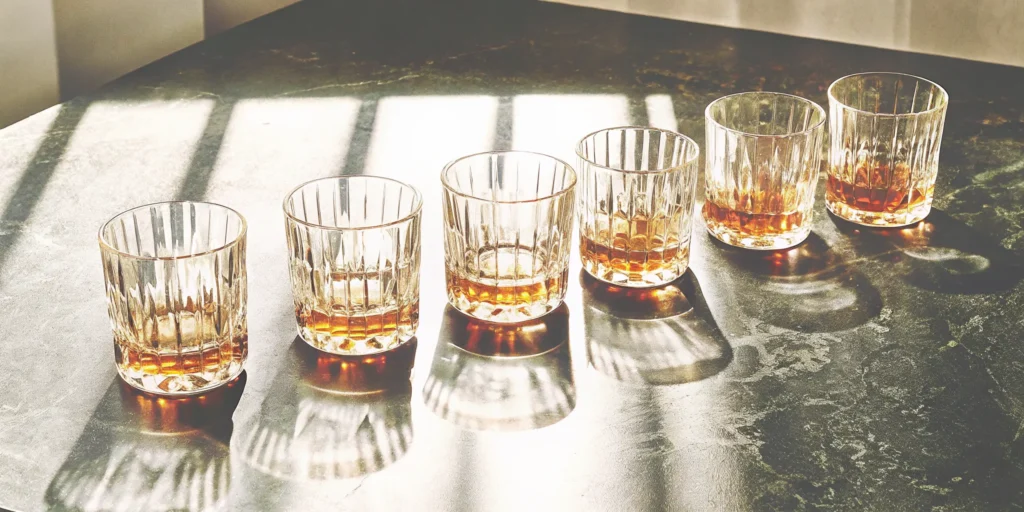
If your only experience with whiskey is a harsh, fiery burn, you’re missing out on the best part. A great bottle can taste like caramel, vanilla, or toasted oak—not just alcohol. The secret isn’t forcing yourself to like the intense stuff; it’s about finding the right bottle from the start. This guide is your friendly roadmap to discovering a truly smooth whiskey for beginners. We’ll skip the intimidating jargon and focus on what really matters: finding a bottle that’s soft, flavorful, and enjoyable from the very first sip.
Key Takeaways
- Choose approachable whiskeys first: Begin with naturally sweeter styles like bourbon, smooth Irish whiskey, or flavored options. Sticking to a standard proof (40-45% ABV) helps you focus on the flavor, not just the alcoholic heat.
- Tame the burn with water or ice: Don’t feel pressured to drink whiskey neat. Adding a splash of water or a large ice cube softens the spirit and can open up new flavors, making each sip more enjoyable.
- Explore flavors through simple cocktails: Mixing is a perfect way to get familiar with whiskey’s character. Start with easy recipes like a Whiskey Sour or a simple highball to discover what you enjoy in a more approachable format.
What Makes a Whiskey “Smooth”?
When you hear someone describe a whiskey as “smooth,” they’re talking about how it feels to drink. A smooth whiskey is pleasant and soft on your palate, without an aggressive, fiery burn. It’s the kind of spirit that invites you in for another sip instead of making you wince. This quality isn’t an accident; it’s the result of careful choices made by the distiller every step of the way.
So, what exactly creates that easy-sipping experience? It comes down to three main things: the grains used to make the whiskey, the time it spends aging in a barrel, and its final alcohol content. Each element plays a crucial role in softening the spirit’s rough edges and shaping its final character. Understanding these factors will help you know exactly what to look for when you’re searching for a bottle you’ll genuinely enjoy.
Why Grains and Mash Bills Matter
Every whiskey begins as a mix of grains, known as the mash bill. The specific recipe of grains has a huge impact on the final flavor and texture. For example, whiskeys with a high percentage of corn in their mash bill, like bourbon, tend to be sweeter and have a softer, rounder mouthfeel. That natural sweetness helps mask some of the alcoholic bite, making the spirit feel much smoother. On the other hand, a mash bill heavy on rye will produce a spicier, bolder whiskey. While delicious, it might not be the first thing you’d describe as smooth. Learning about different smooth and sweet whiskeys can help you find a style that suits your taste.
The Sweetness of Wheat
If you see the word “wheated” on a bourbon label, consider it a green light. Whiskeys that use wheat as a secondary grain in their mash bill are known for being exceptionally soft and gentle. Unlike the peppery spice you get from rye, wheat introduces a delicate sweetness that rounds out the spirit’s edges. This quality makes the whiskey feel much less aggressive on the palate, allowing you to focus on the pleasant flavors instead of bracing for a burn. It’s why brands like Maker’s Mark and Weller are often recommended as a good whiskey for beginners; their wheated recipes are key to their famously smooth character. Opting for a wheated whiskey is a fantastic way to ease into the spirit and discover just how enjoyable it can be.
How Barrels and Time Shape the Taste
Freshly distilled spirit is harsh and undeveloped. The real transformation happens inside a charred oak barrel during the aging process. As the whiskey rests in the barrel, it interacts with the wood, which acts as a natural filter. This process mellows out the fiery, raw notes of the alcohol and coaxes out new, complex flavors. The wood imparts notes of vanilla, caramel, and toffee, which add a rich sweetness that contributes to a smoother taste. While older doesn’t always equal smoother, the time spent in a barrel is essential for softening the spirit and building its character.
The Influence of Different Casks
It’s not just the time spent in a barrel that matters, but also the barrel’s history. Many whiskeys are aged in casks that were previously used to mature other spirits, like sherry, rum, or even wine. This is where things get really interesting. A sherry cask, for example, can lend rich, fruity notes of raisin and spice to the whiskey. A rum cask might add hints of tropical fruit and molasses. This finishing process is a key way distillers add layers of complexity and create truly unique tastes. It’s another tool they use to steer the final product toward a specific flavor profile, whether that’s spicy, fruity, or exceptionally smooth.
Why Alcohol Content Matters
One of the most direct factors influencing a whiskey’s burn is its alcohol content, or proof. A higher proof means a more intense, hot sensation. For beginners, the “spirit burn” can easily overpower the subtle flavors you’re trying to taste. A great starting point is to look for whiskeys in the 80 to 90 proof range (40-45% alcohol by volume). This level offers a perfect balance, giving you plenty of flavor without overwhelming your palate with heat. It allows you to get past the burn and start identifying the delicious notes within the whiskey. You can also explore different whiskey cocktails that use mixers to create an even smoother experience.
The Best Smooth Whiskeys for Beginners
Ready to find your first favorite whiskey? The key is to start with something smooth and approachable that won’t overwhelm your palate. Forget the harsh burn you might be expecting; the whiskeys on this list are known for their easy-sipping character, making them perfect entry points into different styles. We’ve picked a few standouts from the worlds of bourbon, Irish whiskey, Scotch, and more to help you get started on your tasting journey. Each one offers a welcoming flavor profile that proves whiskey can be both complex and incredibly enjoyable from the very first sip.
Start Sweet: Mash & Mallow S’Mores Whiskey
If you’re worried that whiskey will be too strong, starting with a flavored option is a fantastic idea. Our very own Mash & Mallow S’Mores Whiskey was made for this. It captures the nostalgic flavors of toasted marshmallow, rich chocolate, and graham cracker in a smooth, easy-drinking spirit. It’s sweet but not overpowering, making it perfect for sipping on its own over ice. It also shines in simple cocktails, so you can experiment with mixing drinks without a steep learning curve. This is a fun, welcoming introduction to the world of whiskey, especially if you already have a sweet tooth.
Bourbons That Are Easy to Love
Bourbon is an American classic, and many expressions are surprisingly smooth and sweet due to their corn-based mash bills. For a great starting point, look for Buffalo Trace. It has a beautifully balanced profile with notes of vanilla and toffee that are easy to enjoy. Another excellent choice is Maker’s Mark. It’s a wheated bourbon, which means wheat is used in the grain recipe instead of the spicier rye. This gives it a much softer, gentler character that’s perfect for beginners. Neither of these will hit you with an aggressive spice, making them reliable and delicious introductions to bourbon.
Four Roses
Often recommended in whiskey communities, Four Roses is a fantastic choice for its consistently approachable flavor. It strikes a wonderful balance between sweetness and a gentle spice, so you get a taste of classic bourbon character without any aggressive notes. This isn’t a whiskey that tries to be overly bold or complex; instead, it focuses on being smooth, mellow, and incredibly easy to drink. It’s a reliable and affordable bottle that serves as a perfect introduction to the world of bourbon. Many seasoned drinkers still keep a bottle on their shelf, which tells you just how pleasant it is to sip.
Woodford Reserve
Woodford Reserve is another bourbon that consistently wins over beginners with its smooth and sweet character. Thanks to its corn-heavy mash bill, it delivers rich, comforting notes of vanilla, caramel, and a hint of toasted oak. These are flavors that feel familiar and welcoming, making it an excellent entry point for anyone learning how to drink whiskey. It has a full-bodied, silky texture that feels luxurious without being intimidating. It’s delicious on its own or with a single large ice cube, which helps open up its sweeter notes even more. It’s a classic for a reason and a bottle you can’t go wrong with.
Basil Hayden
If the alcoholic “burn” is your main concern, Basil Hayden is the bourbon for you. It’s bottled at a gentle 80 proof (40% ABV), which is lower than many other whiskeys on the shelf. This lower alcohol content makes it exceptionally smooth and light, allowing its delicate flavors to shine. You’ll find subtle hints of spice, tea, and a touch of peppermint, all wrapped in a light-bodied sweetness. It’s the kind of whiskey that invites you back for another sip without ever overwhelming your palate. Many new drinkers find it’s the perfect whiskey to drink straight for the first time.
Wheated Bourbons
For an almost guaranteed smooth experience, look for the term “wheated bourbon” on the label. In these whiskeys, the traditional spicy rye grain is swapped out for soft winter wheat. This simple change has a huge impact, resulting in a much softer, gentler, and sweeter flavor profile. The most famous example is Maker’s Mark, which is known for its creamy texture and notes of caramel and vanilla. Wheated bourbons are a fantastic category for beginners because they lack the peppery bite that can be off-putting. They offer a rounder, more mellow taste that’s incredibly easy to enjoy.
Easy-Sipping Irish Whiskeys
Irish whiskeys are famous for their smooth finish, which often comes from being triple-distilled. You can’t go wrong with a bottle of Jameson. It’s a global favorite for a reason: it’s light, approachable, and has pleasant notes of vanilla and nuts. It’s incredibly versatile for sipping or mixing. If you want to try something with a bit more body that’s still exceptionally smooth, give Redbreast 12 a try. It has a wonderful creamy texture and rich flavor that feels luxurious without being intimidating. It’s a perfect example of how elegant and easy-drinking Irish whiskey can be.
Tullamore D.E.W.
Another star of the Irish whiskey world, Tullamore D.E.W. is practically synonymous with smoothness. Its signature character comes from a triple-distillation process, which results in a spirit that is exceptionally light and easy to drink. This process strips away any harshness, leaving behind a gentle flavor profile with hints of green apple and sweet malt. It’s a wonderfully approachable whiskey and an excellent choice if you’re just beginning to explore what Irish spirits have to offer. Its clean finish makes it perfect for sipping neat or with a single ice cube.
Teeling Small Batch
If you’re ready for a little more character but still want that signature Irish smoothness, Teeling Small Batch is a fantastic next step. It’s crafted from a blend of malted and unmalted barley and finished in rum casks, which adds a unique layer of sweetness and spice. This process gives it a rich, inviting flavor profile with notes of vanilla, caramel, and a hint of tropical fruit. While it offers more complexity than some other introductory whiskeys, it remains exceptionally smooth and balanced, making it a favorite among new and seasoned drinkers alike.
Jameson Black Barrel
For those who have tried and enjoyed the classic Jameson, Jameson Black Barrel is the perfect upgrade. It’s a step up in richness and complexity, thanks to being aged in double-charred barrels. This extra charring process unlocks more intense flavors from the wood, adding wonderful layers of toasted oak, caramel, and warm spice to the whiskey. Despite its deeper flavor, it maintains the incredible smoothness that Jameson is known for, making it a delightful option when you’re ready to explore more depth without sacrificing an easy-sipping experience.
Gentle Scotch Whiskies to Try First
Scotch might bring to mind intense, smoky flavors, but that’s only one small part of the category. Many Scotches are light, fruity, and perfect for beginners. The Glenlivet 12 is a classic starting point, known for its delicate floral and fruity notes, like green apple and pineapple. It’s incredibly approachable and a great introduction to the Speyside style of Scotch. Another fantastic option is Glenfiddich 12. It’s similarly light and crisp, with a refreshing character that makes it very easy to sip. Both of these bottles will show you the elegant side of Scotch, completely free of any intimidating smokiness.
Monkey Shoulder
If you’re curious about Scotch but wary of the intensity, Monkey Shoulder is a perfect place to start. It’s a blended malt, which simply means it’s a mix of single malts from different distilleries, created specifically to be smooth and mixable. The result is a whisky with a rich, creamy texture and delicious notes of vanilla, honey, and a little bit of spice. It’s incredibly versatile, making it great for sipping on its own or for trying out in classic Scotch cocktails. It gives you a true taste of Scotch character without any of the harsh, smoky notes that can be off-putting for newcomers.
Balvenie DoubleWood 12
Balvenie DoubleWood 12 is another fantastic introduction to the world of Scotch. The “DoubleWood” in its name refers to its aging process—it spends time in two different types of casks, which gives it a wonderful depth of flavor. This process creates a beautifully smooth and balanced whisky with inviting notes of honey, vanilla, and a touch of dried fruit. It has a gentle sweetness that makes it very approachable, offering a complex taste experience without being overwhelming. It’s a classic example of a Speyside Scotch, a region known for producing elegant and often fruity whiskies, making it a reliable and delicious choice for any beginner.
Glendronach 12
For those who enjoy richer, fruit-forward flavors, Glendronach 12 is an excellent pick. This is a classic “sherried” whisky, meaning it was aged in casks that previously held sherry. This aging process imparts a deep, sweet character to the spirit. You can expect to taste luscious notes of figs, raisins, and even a hint of chocolate, all wrapped up in a smooth, velvety texture. It’s a warm and inviting dram that feels luxurious but is still incredibly easy to drink. If you’re a fan of red wine or dessert-like flavors, this whisky will likely be right up your alley.
Bunnahabhain 12
Don’t let the word “Islay” scare you. While this region is famous for its heavily peated, smoky whiskies, Bunnahabhain 12 offers a much gentler experience. It’s a unique Islay whisky because it’s unpeated, allowing its other flavors to shine. You’ll find sweet sherry notes, dried fruits, and a distinctive hint of sea salt that speaks to its coastal origins. It’s rich, full-bodied, and exceptionally smooth, making it a fantastic way to dip your toes into the whiskies of this famous region without committing to the intense smoke. It proves that Islay has a softer side that’s perfect for exploration.
Elegant Japanese Whiskies to Try
Japanese whisky is all about balance, harmony, and precision. For a beautiful introduction, pick up a bottle of Suntory Toki. This blended whisky is wonderfully light, clean, and refreshing. It has bright notes of green apple, honey, and a hint of citrus that make it incredibly easy to drink. It’s an elegant spirit that works well sipped neat, with a splash of water, or in a highball with soda water. Toki is a great way to experience the delicate craftsmanship of Japanese whisky and appreciate a more subtle, refined flavor profile that’s perfect for a new palate.
Nikka Coffey Grain
Don’t let the name fool you; there’s no coffee here. The “Coffey” refers to the unique type of column still used to make this spirit, which produces a wonderfully rich and creamy texture. Nikka Coffey Grain offers a sweeter profile, making it a delightful choice for those new to whiskey. It’s full of sweet corn, vanilla, and tropical fruit notes that feel almost dessert-like. Its smooth texture and approachable flavor make it an excellent introduction to Japanese whisky, proving that a spirit can be both complex and incredibly gentle on the palate. It’s a bottle that will quickly change your mind about what whiskey can be.
Hibiki Japanese Harmony
The name says it all. Hibiki Japanese Harmony is a masterful blend of numerous malt and grain whiskies that come together to create a perfectly balanced experience. It is a delicate and sweet whisky with honey notes and a subtle oak finish that never overpowers. You’ll also find hints of orange peel and white chocolate, all wrapped in a silky texture. It’s fantastic for sipping neat or in a classic Japanese highball, as it truly exemplifies the balance and craftsmanship of Japanese whisky. This bottle is pure elegance in a glass and a beautiful next step on your tasting journey.
How to Actually Taste Your Whiskey
Ready to move beyond just taking shots or mixing drinks? Learning how to properly taste whiskey can completely change how you experience it. You don’t need a refined palate or years of practice to start picking out interesting flavors. The goal isn’t to become a stuffy connoisseur overnight; it’s simply to slow down and appreciate the craft and complexity in your glass. By following a few simple steps, you can learn to identify the aromas and tastes that make each whiskey unique. This approach helps you find what you truly enjoy, making your next pour that much more satisfying.
Start with the Right Glass
Believe it or not, the shape of your glass makes a difference. While a standard rocks glass is great for a casual drink with ice, a glass with a curved body and a narrower rim is better for tasting. Use a Glencairn glass or even a regular wine glass to help concentrate the whiskey’s smells. The tulip shape traps the aromas and funnels them toward your nose, giving you a much better sense of the spirit’s character before you even take a sip. This simple switch allows you to pick up on subtle notes you might otherwise miss.
Give Your Whiskey a Minute to Breathe
Patience is a virtue, especially with whiskey. After you pour your drink, let it sit in the glass for about 10 to 15 minutes before sipping. This gives the whiskey a chance to “breathe.” During this time, some of the harsher alcohol smells will evaporate, allowing the more delicate and interesting aromas to come forward. You’ll find the whiskey becomes much more approachable and fragrant. It’s a small step that makes a huge impact, especially for beginners who might find the initial alcohol scent a bit intense.
How to Sip and Identify Flavors
Now for the best part. Before you drink, gently swirl the whiskey and bring the glass to your nose. Smell your whiskey first to get a sense of its aromas. Try to identify what you’re smelling. With our Mash & Mallow S’Mores Whiskey, you might pick up on toasted marshmallow or rich chocolate. When you’re ready to taste, take a small sip and let it coat your tongue. This helps you taste all the flavors without being overwhelmed. Notice the initial taste, how it feels in your mouth, and the flavors that linger after you swallow.
How to Enjoy Whiskey Without the Burn
That sharp, warming sensation you get from a sip of whiskey is often called the “burn” or the “Kentucky hug.” While some seasoned drinkers enjoy it, it can be a bit much when you’re just starting. The good news is you don’t have to just power through it. There are simple techniques to soften the intensity and focus on the delicious flavors underneath. These tips will help you find the perfect balance for your palate, making each sip a pleasant experience. And remember, mixing your spirit into whiskey cocktails is always a fantastic way to control the strength while exploring new flavor combinations.
Tame the Burn with Ice or Water
Don’t let anyone tell you that adding ice or water is the “wrong” way to drink whiskey. It’s an incredibly common practice, even among experts, because it can make the spirit much smoother. A single large ice cube will chill your drink and dilute it slowly, softening the alcohol bite over time. If you want to taste more of the whiskey’s character, try adding just a few drops of cool water instead. This small amount of dilution can actually open up the whiskey’s aroma and help you notice more of its subtle flavors. It’s a great way to adjust the drink to your personal preference, especially if you find a neat pour too harsh.
The Ideal Temperature for Sipping
Patience is a virtue, especially when it comes to whiskey. Instead of taking a sip right after you pour, let the glass sit for about 10 to 15 minutes. This simple step gives the whiskey a chance to breathe. During this time, some of the harsher alcohol vapors will dissipate from the surface, allowing the more complex and inviting aromas to come forward. You’ll notice less of an alcohol smell and more of the grain, oak, and sweet notes within the spirit. This small pause makes the first sip much more approachable and lets you appreciate the full flavor profile without the initial intensity.
Slow Down: The Art of the Small Sip
When you’re tasting whiskey for the first time, think of it less like taking a drink and more like sampling a rich dessert. Taking small, gentle sips is the key to savoring the flavor without overwhelming your palate. A tiny sip allows you to appreciate the complexity of the whiskey and minimizes the alcohol burn that can come from a larger gulp. Try letting the liquid coat your tongue for a moment to identify different notes. This method is a great guide to your first pour because it trains your palate to look past the alcohol and find the delicious flavors of caramel, vanilla, or spice hiding within.
What’s the Difference Between Whiskey Types?
Walking down the whiskey aisle can feel a little overwhelming. With so many bottles from different places, it’s hard to know where to start. The good news is that you only need to know a few key things to understand what’s inside the bottle. The type of grain used, where it’s made, and how it’s aged all come together to create the final flavor.
Think of it like coffee. You know that a bean from Ethiopia will taste different from one from Colombia. Whiskey works the same way. A spirit made with corn in Kentucky will be completely different from one made with barley in Scotland. Getting familiar with a few major styles will help you find the ones you’re most likely to enjoy. Let’s break down some of the most common types you’ll see on the shelf.
Bourbon vs. Rye vs. Irish Whiskey
These three are some of the most popular styles, and their differences come down to the primary grain used. Bourbon must be made with at least 51% corn, which gives it a distinct sweetness. When you sip a bourbon, you can expect to find friendly flavors like vanilla, caramel, and toffee. Rye whiskey, on the other hand, uses mostly rye grain, which gives it a spicier, peppery character.
Then there’s Irish Whiskey, which is famous for being exceptionally smooth. This is because it’s often distilled three times, a process that removes impurities and creates a softer spirit. It’s typically very light and easy to drink, with delicate fruity and floral notes and none of the heavy smoke you might find in other whiskeys.
Tennessee Whiskey
Tennessee whiskey is essentially bourbon’s extra-smooth cousin. It follows all the rules of bourbon but adds one crucial step: the Lincoln County Process. This means the spirit is filtered through charcoal before it goes into the barrel to age. This filtering process mellows the spirit significantly, stripping away any harshness and leaving behind a whiskey that’s exceptionally smooth. The result is a spirit known for its sweet, vanilla-forward taste, making it another fantastic choice for anyone new to whiskey who wants a gentle and flavorful introduction.
Canadian Whisky
Often overlooked, Canadian whisky is a hidden gem for beginners. These whiskies are known for being lighter and smoother than many of their American counterparts. They typically have a milder, more delicate flavor profile that won’t overwhelm your palate. While they often use rye in the mash bill, it usually presents as a gentle spice rather than a bold, peppery kick. This approachable character makes Canadian whisky a great starting point if you’re looking for something easy-sipping and straightforward, especially in simple cocktails like a highball.
Blended Whiskies
Don’t let the term “blended” fool you; it’s a mark of craftsmanship, not a sign of lower quality. Blended whiskies are created by combining different types of whiskies to achieve a specific, consistent, and balanced flavor profile. Master blenders are experts at creating a final product that is often smoother and more approachable than a single-origin spirit might be. This process allows them to sand down any rough edges and highlight desirable notes, resulting in a harmonious and easy-drinking whiskey that’s ideal for newcomers.
Whiskey from Around the World
Exploring whiskies from different countries is a fun way to discover the incredible diversity the spirit has to offer. While Scotland, Ireland, and the U.S. are the most famous producers, fantastic whiskies are now coming from all over the globe, including places like Taiwan, India, and Australia. Each region brings its own unique climate, grains, and production methods to the table, creating a wide range of styles and flavors. Don’t be afraid to try a bottle from a less-expected place—you might just find your new favorite.
Why It Matters Where Your Whiskey Is From
Just like wine, a whiskey’s home country or region has a huge impact on its taste. Scotch, which comes from Scotland, is a perfect example. Many people think all Scotch is smoky, but that’s not true. The flavor can vary a lot depending on the specific region. For a gentler introduction, look for bottles from the Speyside or Lowland regions, which are known for being lighter and less smoky.
Another style shaped by its origin is Japanese whisky. Inspired by Scotch-making traditions, Japanese distillers are known for their incredible precision and attention to detail. The result is often a delicate, clean, and complex spirit. You’ll typically find light, floral, and subtle fruit notes, making it another great option if you prefer a more elegant and less aggressive flavor profile.
Which Styles Are Naturally Smoother?
So, what makes a whiskey smooth? A smooth whiskey feels soft and pleasant as you drink it, without any harshness or intense burning sensation. This quality comes from a few key factors in the production process. Using sweet grains like corn helps a lot, as does a careful distillation process that filters out rougher elements. Aging in oak barrels is also crucial, as it mellows the spirit over time.
If you’re looking for a smooth experience, a good rule of thumb is to check the alcohol content. Whiskeys in the 80 to 90 proof range (that’s 40% to 45% alcohol by volume) usually offer a great balance of flavor without being too overpowering. This range is perfect for sipping and lets you appreciate the taste without the burn.
Whiskeys to Save for Later
As you get more comfortable with whiskey, you’ll naturally want to explore new and different bottles. That’s one of the best parts of this journey. But just like you wouldn’t jump into the deep end of a pool before you learn to swim, some whiskeys are best saved for when your palate has had a little more practice.
Starting with the right bottles helps you build confidence and figure out what you truly enjoy. Rushing into the more intense or complex styles can be overwhelming and might even turn you off from whiskey altogether. Think of the bottles below not as whiskeys to avoid, but as exciting new levels to unlock once you’ve mastered the basics. When you’re ready, they’ll be waiting for you.
Why to Avoid High-Proof Whiskeys (For Now)
You might see terms like “cask strength” or “barrel proof” on a label. This simply means the whiskey is bottled at the same alcohol level it had coming out of the barrel, without being diluted with water. While that sounds impressive, it also means the alcohol by volume (ABV) is significantly higher, often well over 50%.
For a beginner, that high alcohol content can create a powerful burn that masks the whiskey’s delicate flavors. Instead of tasting notes of caramel or vanilla, all you’ll get is heat. It’s better to start with smooth and sweet whiskeys that have a standard proof so you can actually taste what’s in your glass.
When to Try Peated and Smoky Scotch
Scotch is a wonderful category of whiskey, but some styles, particularly those from the Islay region, are known for an intensely smoky flavor. This comes from drying the barley over a fire fueled by peat, a type of turf. The result is a whiskey with strong, earthy, and sometimes medicinal notes that can be quite a shock if you’re not expecting it.
Many whiskey lovers adore peated Scotch, but it’s definitely an acquired taste. Jumping straight into a heavily peated bottle is like trying the spiciest dish on the menu for your first time at a new restaurant. It’s a good idea to get familiar with unpeated or lightly peated whiskies first before you venture into the smoky side of things.
An Alternative View: Trying Peat Early
While the common advice is to wait on peated Scotch, there’s no hard and fast rule that says you have to. If you’re the kind of person who loves smoky barbecue or a good campfire, you might find you enjoy peated whiskey right away. The key is to be strategic about it. Instead of grabbing a bottle known for its intense, medicinal smoke, look for a lightly peated expression. Many distilleries offer whiskies that use just a hint of peat to add complexity without overwhelming your palate. This approach allows you to explore the smoky side of things gently. Ultimately, discovering your taste is a personal journey, and if you’re curious, there’s no reason to wait. Just go in with an open mind and start with a small pour.
Why Older Isn’t Always Better for Beginners
It’s easy to assume that a higher age statement on a bottle automatically means better quality, but that’s not always the case. While many older whiskeys are fantastic, they can also be incredibly complex, with dozens of subtle flavors layered on top of each other. For a developing palate, trying to pick out all those nuances can be more frustrating than fun.
You’ll have a much better time if you don’t start with very complex whiskeys. Instead, stick with bottles that have more straightforward and vibrant flavor profiles. This will help you learn to identify individual notes and build a foundation for appreciating more intricate spirits later on. Plus, many delicious whiskeys are on the younger side, proving that age is just a number.
How to Find the Whiskeys You Love
Finding your way around the world of whiskey is all about discovering what you enjoy, not about memorizing complicated tasting notes or forcing yourself to like something intense. Your palate is unique, and training it is a fun process of exploration. The key is to start slow, pay attention to what you’re tasting, and not be afraid to try new things. Think of it less like a test and more like a personal flavor journey. With a little patience, you’ll start to pick out specific aromas and tastes that you love.
How to Explore on a Budget
One of the biggest myths about whiskey is that you need to spend a lot of money to find a good bottle. That’s just not true. You don’t have to commit to a $70 bottle you’ve never tried just to see if you like it. Exploring whiskey on a budget is all about being strategic and sampling smart. It’s a much more enjoyable way to learn what you like without the pressure of a big investment. By trying different things in smaller amounts, you can build your confidence and your palate at the same time, all while keeping your wallet happy.
Try Before You Buy: Minis and Bars
Before you buy a full bottle of anything, try to sample it first. The easiest way to do this is by looking for miniature 50ml bottles, sometimes called “nips.” They’re a low-cost, low-commitment way to try a new spirit. Another great option is to visit a bar with a decent whiskey selection. Order a pour of something you’re curious about and see what you think. It’s a perfect opportunity to ask the bartender for recommendations, too. You can even use our store locator to find a local spot that carries Mash & Mallow so you can give it a try before bringing a whole bottle home.
Finding Quality Within Your Price Range
Don’t fall into the trap of thinking that a higher price tag equals a better whiskey. There are tons of fantastic, smooth, and flavorful whiskeys available for under $50. The best way to find what you like is simply to try different things. Your personal taste is what matters most, so focus on exploring different styles—like a sweet bourbon, a smooth Irish whiskey, or a fun flavored option like our S’mores Whiskey—to see what clicks with you. The goal is to find a bottle you genuinely look forward to drinking, and you can absolutely find that without breaking the bank.
Start with Sweet and Flavored Whiskeys
Jumping straight into a super-strong, smoky whiskey can be overwhelming. Instead, ease into it with something more approachable. Flavored whiskeys are a fantastic starting point because they introduce the spirit’s character alongside familiar tastes. Our own Mash & Mallow S’Mores Whiskey is designed for this, blending smooth American whiskey with notes of chocolate and toasted marshmallow. Sweeter styles, like bourbons, are also great for beginners. Since bourbon is made with at least 51% corn, it has a natural sweetness with common notes of caramel and vanilla, making it much friendlier for a developing palate. The goal is to make your first experience enjoyable, not a challenge.
How to Branch Out to New Whiskey Styles
Once you’re comfortable with sweeter profiles, you can begin to branch out. There’s a whole spectrum of whiskey styles to try, and you don’t have to rush it. Maybe move from a bourbon to a light, smooth Irish whiskey, or try a non-peated Scotch. As you explore, play around with how you drink it. Adding a splash of water or a single ice cube can soften the alcohol burn and open up new, subtle flavors. Another great way to get familiar with a whiskey’s character is by trying it in creative cocktails. This lets you appreciate the spirit in a different context and identify its core flavors without being overwhelmed.
Take Simple Notes to Find Your Favorites
You don’t need a fancy journal, but jotting down a few thoughts can help you remember what you like and why. When you try a new whiskey, take a moment to smell it first. What do you notice? Maybe it’s vanilla, fruit, or a hint of spice. Then, take a small sip and let it sit on your tongue. Is it sweet, warm, or oaky? Your notes can be as simple as “tastes like caramel” or “a little too smoky for me.” Using a proper tasting glass, like a Glencairn, can help concentrate the aromas. This practice isn’t about becoming an expert overnight; it’s about building a personal flavor map that guides you to your next favorite bottle.
Easy Whiskey Cocktails for Beginners
If you’re new to whiskey, jumping straight into drinking it neat can feel a little intense. The good news is that you don’t have to. Cocktails are a fantastic way to explore the complex flavors of whiskey in a more approachable format. Mixing whiskey allows you to soften its stronger notes while highlighting the delicious undertones of vanilla, caramel, or smoke. It’s the perfect training ground for your palate.
Using a smooth, flavorful spirit like Mash & Mallow S’Mores Whiskey is a great shortcut to an amazing drink. Its notes of chocolate, marshmallow, and graham cracker are a perfect match for simple mixers and classic recipes. You can create something that tastes complex and delicious with minimal effort. Think of it as your secret weapon for crafting impressive drinks right from the start.
Easy-to-Drink Classic Cocktails
Don’t let the word “classic” intimidate you. Many of the most famous whiskey cocktails are surprisingly simple to make. If drinking whiskey straight is too much at first, try an Old Fashioned or a Whiskey Sour. An Old Fashioned uses sugar and bitters to balance and complement the whiskey, while a Whiskey Sour uses lemon juice and a little sweetener to create a bright, refreshing drink. Both are timeless for a reason. They let the whiskey shine without overwhelming your senses. For a fun twist, try making one with a flavored spirit to see how it changes the profile. You can find plenty of cocktail recipes to get you started.
Master Simple Mixing Ratios
You don’t need a collection of fancy bar tools to make a great whiskey drink. Some of the best cocktails are built on simple, easy-to-remember ratios. A Highball, which is just whiskey and sparkling water or club soda, is a perfect example. A good starting point is one part whiskey to four parts soda, served over ice with a lemon twist. Another easy option is a Whiskey Smash, which involves muddling mint and lemon with a little sugar before adding your whiskey and ice. These drinks are light, refreshing, and incredibly easy to put together after a long day.
The Best Mixers for a Smooth Finish
One of the easiest ways to enjoy whiskey is with a simple mixer. The key is to pick one that complements the spirit instead of overpowering it. When you’re starting with a smooth and sweet whiskey, you have plenty of great options. Try mixing it with ginger ale for a bit of spice, or with cola for a classic combination. Cream soda and root beer are also fantastic choices, as their vanilla notes pair beautifully with the flavors found in many whiskeys. The carbonation in these drinks also helps lighten the spirit, making it even more drinkable. Don’t be afraid to experiment to find your perfect pairing.
Related Articles
- 12 Smooth Whiskey Brands Perfect for Beginners
- Smooth Whiskey for Beginners: 7 Picks With No Bite
- 12 Good Cheap Whiskeys for Beginners to Try
- 6 Good Starting Whiskeys: A Beginner’s Guide
- 6 Best Beginner Whisky Bottles for Your First Tasting
Frequently Asked Questions
I’m a total beginner. Should I start by drinking whiskey neat, on the rocks, or in a cocktail? There’s no right or wrong answer, but I always suggest starting with a simple cocktail or on the rocks. A cocktail, like a whiskey and ginger ale, is a great way to get familiar with the spirit’s flavors in a more diluted, approachable format. If you want to taste the whiskey more directly, pour it over a large ice cube. The ice will slowly melt, softening the alcohol burn and making it easier to sip.
Is there a ‘wrong’ way to drink whiskey? Absolutely not. The best way to drink whiskey is whatever way you enjoy it most. Don’t let anyone tell you that adding ice, water, or a mixer is incorrect. The goal is to find what works for your palate. Experimenting is part of the fun, so whether you prefer it neat, in a classic cocktail, or mixed with cream soda, you’re doing it right.
What’s the real difference between bourbon and whiskey? This is a great question because it can be confusing. Think of it this way: all bourbon is whiskey, but not all whiskey is bourbon. “Whiskey” is the broad category for a spirit made from fermented grain mash. “Bourbon” is a specific type of American whiskey that has to follow certain rules, like being made from at least 51% corn and aged in new charred oak barrels. That corn content is what gives bourbon its signature sweetness.
Why do some whiskeys have a smoky taste? That smoky flavor usually comes from peat, which is a type of turf used to dry malted barley in some parts of Scotland. When the peat is burned, its smoke infuses the grain, and that flavor carries all the way through to the final spirit. It’s a very distinct, earthy taste that many people love, but it can be intense if you’re not used to it. For beginners, I recommend starting with unpeated styles first.
What if I try a whiskey and don’t like it? Don’t worry about it at all. Your palate is unique, and finding what you love is a process of trial and error. The world of whiskey is incredibly diverse, so one bottle you dislike might lead you to another you adore. If you find a bourbon too sweet, maybe try a spicier rye. If a Scotch is too intense, a lighter Irish whiskey might be perfect. Just make a mental note of what you didn’t enjoy and try something different next time.
