
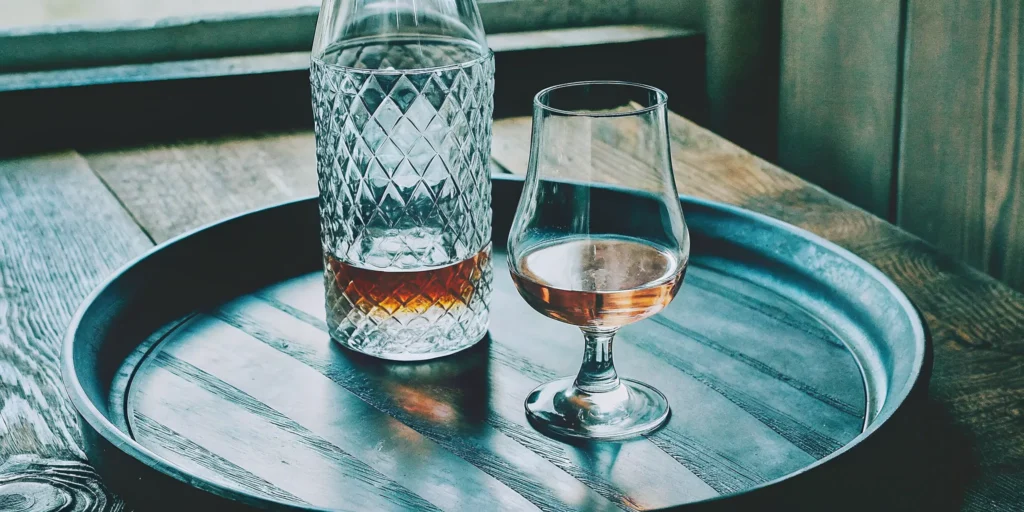
There’s a world of flavor in every bottle of bourbon, but sometimes the alcohol burn gets in the way. You want to taste the rich caramel, smooth vanilla, and toasted oak—or even the milk chocolate in our S’mores Whiskey—but the heat is all you notice. The good news? You’re just a few simple techniques away from changing that. Learning how to sip bourbon isn’t about being an expert; it’s about training your palate to find the delicious complexity that’s already there. This guide will show you exactly how to do it.
Key Takeaways
- Prepare your pour for better flavor: Letting your bourbon rest in the glass for a few minutes before sipping allows the harsher alcohol vapors to fade, making it easier to taste the underlying notes of caramel and vanilla.
- Taste with a simple technique: Take a small initial sip to acclimate your palate to the alcohol. For the next sip, gently swirl the bourbon in your mouth, a method called the “Kentucky Chew,” to experience its full complexity.
- Find what works for you: There is no single right way to enjoy bourbon. Experiment with a few drops of water to open up the aromas or a large ice cube for a smoother sip; the best method is always the one you like most.
Why Is Bourbon Perfect for Sipping?
Bourbon is more than just a drink; it’s a classic American spirit with a story in every bottle. It’s perfect for slowing down and savoring, whether you’re a seasoned whiskey drinker or just starting to explore. What makes it so special for sipping? It comes down to a combination of rich history, strict production rules, and an approachable flavor profile that welcomes newcomers. Bourbon is uniquely American, with roots stretching back to 18th-century settlers in Kentucky. This deep heritage isn’t just a fun fact; it’s part of what gives the spirit its character and makes the experience of sipping it so rewarding. When you pour a glass of bourbon, you’re tasting a piece of history that has been refined over generations.
How Strict Rules Create Amazing Flavor
The distinct, rich flavor of bourbon isn’t an accident. It’s protected by a set of rules that distillers must follow. In 1964, the U.S. Congress officially recognized bourbon as a “distinctive product of the United States.” To earn the name “bourbon,” the whiskey must be made in the U.S. from at least 51% corn and aged in new, charred oak barrels. That last part is key. Using new, charred oak barrels is what gives bourbon its signature notes of vanilla, caramel, and spice. These regulations ensure that every bottle of bourbon meets a high standard of quality, giving you a consistent and flavorful spirit every time you pour a glass.
New to Whiskey? Here’s Why You Should Start with Bourbon
If you’re new to sipping whiskey, bourbon is a fantastic place to start. Its flavor profile is often much more approachable than other types of whiskey. Many people find that bourbon tastes like familiar sweet and warm notes, such as vanilla, caramel, and oak. These flavors come from the corn mash and the time spent aging in charred oak barrels. Because of its sweeter, smoother character, bourbon can be less intimidating than a smoky Scotch or a spicy rye. Ultimately, finding a bourbon you love is all about what you enjoy. It’s a spirit that invites exploration, and your own individual taste preferences are what matter most.
Understanding Bourbon Labels and Styles
When you’re standing in the whiskey aisle, the labels can feel like they’re written in a secret code. Terms like “small batch,” “wheated,” and “single barrel” are thrown around, but what do they actually mean for the taste of the bourbon in the bottle? Understanding these key phrases is your ticket to confidently picking a bourbon you’ll genuinely enjoy. It’s not about memorizing rules; it’s about learning the language of bourbon so you can find the flavors that speak to you. Let’s break down some of the most common terms you’ll see so you can shop like a pro.
Wheated vs. High-Rye: Decoding the Mash Bill
The foundation of any bourbon’s flavor profile is its mash bill—the specific recipe of grains used to make it. While all bourbon must contain at least 51% corn, the other grains make a huge difference. A “wheated” bourbon uses wheat as its secondary grain, which typically results in a softer, gentler, and slightly sweeter taste. Think of it as the smooth, mellow friend in the group. On the other hand, a “high-rye” bourbon uses a larger portion of rye grain, which introduces bold, peppery, and spicy notes. The choice of grains is what creates this wide spectrum of flavor, giving you the power to choose between something smooth and sweet or something with a bit more kick.
What Do “Single Barrel” and “Small Batch” Mean?
You’ll see “single barrel” and “small batch” on many labels, and they point to two different bottling philosophies. A “single barrel” bourbon is exactly what it sounds like: all the whiskey in that bottle came from one individual barrel. Because no two barrels age exactly the same, each bottle can offer a unique flavor profile. It’s a snapshot of one barrel’s journey. “Small batch” bourbon is created by blending a select number of barrels together—usually fewer than 100—to create a specific, consistent taste. While single barrel offerings highlight individuality, small batches are crafted to deliver a reliable and balanced flavor profile every time. Neither is inherently better; it just depends on if you’re in the mood for a consistent favorite or a one-of-a-kind surprise.
Is All Bourbon from Kentucky?
It’s a common belief that to be called bourbon, a whiskey has to come from Kentucky. While the Bluegrass State is the historic heart of bourbon production, that’s actually a myth. The law states that bourbon must be made in the United States, but it doesn’t specify which state. As long as it follows the rules—like being made from at least 51% corn and aged in new charred oak barrels—it’s bourbon. Today, you can find incredible distilleries making high-quality bourbon all across the country. While the majority of bourbon is still made in Kentucky, amazing bottles are coming out of states like Texas, New York, and Colorado, each offering a unique taste of their local environment.
Does Your Glassware Really Matter for Sipping Bourbon?
You might think any glass will do, but its shape can genuinely change how your bourbon tastes and smells. It’s not about being fancy; it’s about getting the full experience from the spirit. The right glass directs the bourbon’s complex aromas toward your nose, and since smell is a huge part of taste, this simple choice makes a big difference. Whether you’re trying to pick out the notes of toasted marshmallow in our S’mores Whiskey or enjoying a classic bourbon on the rocks, the right vessel sets the stage.
The Glencairn: For Capturing Every Aroma
If you want to get serious about tasting, the Glencairn is your best friend. This glass has a unique tulip shape with a wide bowl that narrows at the top. This design is intentional: it allows you to swirl the bourbon, releasing its aromas, and then funnels them directly to your nose. When you’re trying to identify specific notes like vanilla or spice, a Glencairn makes it much easier. It’s the standard for distilleries for a reason. A complete guide to bourbon glasses often starts with this classic choice.
The Rocks Glass: Best for a Casual Pour
The rocks glass, also called a lowball, is a staple in any home bar. With its wide brim and solid base, it feels sturdy and comfortable in your hand. While it doesn’t concentrate aromas like a Glencairn, it’s perfect for a more casual drinking experience. This is your go-to for serving bourbon with a large ice cube or for simple cocktails. If you’re relaxing with a pour of Mash & Mallow on the rocks, a tumbler is an excellent choice. It’s less about analysis and more about pure enjoyment.
Are You Making These Common Glassware Mistakes?
To get the most out of your bourbon, sidestep a couple of common pitfalls. First, avoid glasses with very wide openings, like pint glasses, for sipping neat. Because so much of what we taste is linked to smell, a glass that lets aromas escape will give you a flatter experience. Second, pay attention to the rim. Cheaper glassware often has a thick, rounded lip, which can feel clumsy and affect how the bourbon flows. A finer rim provides a better mouthfeel. The art of the glass is about small details that make a big impact.
Getting Your Bourbon Ready to Sip
Before you take that first sip, a few simple steps can completely change your tasting experience for the better. Think of it like letting a good steak rest before you cut into it. This isn’t about following stuffy rules; it’s about giving the spirit a chance to show you everything it has to offer. The best part is that you don’t need any special gadgets or secret techniques. Just a little patience and the right approach will help you get past the initial alcohol burn and straight to the delicious flavors of caramel, oak, and vanilla waiting in your glass.
This small amount of prep work makes a huge difference in what you taste. It turns the simple act of drinking into a full sensory experience, where you can pick out individual notes and appreciate the complexity in your glass. Whether you’re trying a classic Kentucky straight bourbon or a fun, flavored spirit like our S’mores Whiskey, these preparation tips will help you appreciate the craft behind it. By pouring the right amount, serving it at the right temperature, and giving it a moment to breathe, you set the stage for a much more enjoyable and flavorful sip. It’s a small bit of effort that pays off in a big way.
Give It a Moment: Let Your Bourbon Breathe
Have you ever noticed that your bourbon tastes better after it’s been sitting in the glass for a few minutes? That’s not your imagination. Giving your bourbon a moment to “breathe” is one of the easiest ways to improve its flavor. When you first pour it, the alcohol vapors are very concentrated. Allowing the bourbon to sit for five to ten minutes lets some of that initial ethanol harshness dissipate. This process, called aeration, allows the deeper, more complex aromas to come forward, so you can smell the sweet and spicy notes instead of just alcohol. It’s a simple step that makes a world of difference.
Finding the Perfect Serving Temperature
While a chilled drink can be refreshing, cold temperatures can numb your taste buds to the spirit’s more delicate notes. For a proper tasting, you’ll want to drink it neat, which simply means serving the bourbon by itself at room temperature. This allows you to experience the spirit exactly as the distiller intended, with its full character on display. Serving it this way ensures that none of the subtle notes of fruit, spice, or oak are muted by the cold. If you prefer your drinks chilled, we’ll get to ice later, but for your first tasting, room temperature is the perfect starting point.
How Much Bourbon Should You Pour?
It might be tempting to fill your glass, but when it comes to sipping bourbon, less is more. A standard pour for tasting is between 1.5 and 2 ounces. This amount is just enough to let you properly taste the spirit without overwhelming your palate. Pouring a smaller amount also leaves plenty of space in the glass. This space is important because it traps the bourbon’s aromas, and what you smell is a huge part of what you taste. A smaller pour makes it easier to swirl the liquid gently and concentrate those scents before you take a sip.
How to Sip Bourbon Like You Know What You’re Doing
You’ve got the right glass and the perfect pour. Now for the best part: the tasting. Properly tasting bourbon isn’t about following strict rules; it’s about slowing down to pay attention to the complex flavors and aromas in your glass. This process helps you appreciate the craftsmanship that goes into every bottle. By engaging more of your senses, you can pick up on subtle notes you might otherwise miss. Let’s walk through a few simple techniques that will help you get the most out of every sip.
Making That First Sip Count
The first sip can be a little intense, especially if you’re new to whiskey or trying a higher-proof spirit. The key is to start small. Take a tiny sip first, just enough to coat your tongue. Don’t worry about identifying flavors just yet. This initial taste helps your palate adjust to the alcohol, so you can better appreciate the full range of flavors in your next sip. Think of it as a warm-up that prepares you for the main event.
Mastering the “Kentucky Chew”
Now you’re ready for a more deliberate taste. Take a slightly larger sip and, instead of swallowing right away, gently swirl it around your mouth. This technique, famously known as the ‘Kentucky Chew,’ ensures the whiskey touches all parts of your tongue, allowing you to detect every flavor note from sweet to savory. As you swallow, you’ll notice a pleasant warmth spreading through your chest, a feeling called a ‘Kentucky Hug.’ This is a great way to explore the layers in our S’mores Flavored Whiskey and pinpoint the notes of chocolate, marshmallow, and graham cracker.
How Breathing Unlocks Deeper Flavors
The tasting experience doesn’t end when you swallow. The finish, or the lingering taste left in your mouth, is a crucial part of the flavor profile. To fully appreciate it, exhale gently through your nose right after you swallow. This simple action carries the aromatic compounds from your mouth to your nasal passages, revealing another layer of flavor and aroma. This is sometimes called the retronasal technique, and it’s what helps you pick up on those subtle, lingering notes of oak or spice that make each bourbon unique. It’s the final step that ties the entire tasting experience together.
Water or Ice? The Great Bourbon Debate
One of the biggest questions people new to bourbon ask is whether they should add water or ice. The honest answer is: it’s completely up to you! There’s no wrong way to enjoy your drink, but understanding how water and ice change the spirit can help you find your perfect sip. Think of it as a fun experiment. By trying your bourbon neat (with nothing added), with a little water, and over ice, you’ll discover what you like best. Let’s walk through the options so you can decide what works for your palate.
Why a Few Drops of Water Can Change Everything
Adding a few drops of water to your bourbon isn’t about watering it down; it’s about opening it up. A splash of water can lower the alcohol percentage just enough to soften the initial burn, especially in higher-proof bourbons. This small adjustment allows more delicate aromas to release from the liquid, giving you a richer smelling and tasting experience. Many experts agree that this simple step can help bring out more flavors and smells. Start by adding just a few drops, give the glass a gentle swirl, and take a sniff. You might be surprised by the new notes you can detect.
The Right (and Wrong) Time for Ice
Drinking bourbon “on the rocks” is a classic for a reason. It’s refreshing and can make the spirit feel smoother. However, ice does two things: it chills the bourbon and dilutes it as it melts. Chilling can sometimes mute the more subtle flavors, while dilution can soften the intensity. If you enjoy your bourbon cold, I recommend using a single large ice cube or sphere. They melt much slower than smaller cubes, giving you a chilled drink with minimal dilution. A great rule of thumb is to always taste your bourbon neat first to appreciate its true character before adding any ice.
Ease In with a Lower-Proof Bourbon
If you’re just starting your bourbon journey, jumping straight into a high-proof spirit can feel a bit like a trial by fire. The intense alcohol can overwhelm your palate, making it hard to taste anything else. I suggest beginning with a lower-proof bourbon, typically one that is between 80 and 90 proof (40% to 45% alcohol by volume). This allows you to get comfortable with the spirit’s fundamental character without an aggressive burn. It’s a great way to train your palate to identify the classic bourbon notes of vanilla, caramel, and oak that make it so beloved.
What Am I Supposed to Be Tasting, Anyway?
Tasting bourbon is like learning a new language for your palate. At first, you might only pick up on the strong, dominant tastes. But with a little practice, you’ll start to notice a whole world of subtle flavors in your glass. Don’t worry about getting it “right” immediately. The goal is to simply pay attention to what you’re tasting and, most importantly, to enjoy the process of discovery. Every sip is an opportunity to find a new note you love.
Identifying Primary Notes: Caramel, Vanilla, and Oak
Think of primary notes as the foundation of bourbon’s flavor profile. These are the classic, easy-to-identify tastes that make bourbon, well, bourbon. As one expert puts it, “Bourbon is a rich American whiskey with sweet flavors like vanilla, caramel, and spice.” These notes come from the grain recipe and the mandatory aging process in new, charred oak barrels. The char on the inside of the barrel caramelizes wood sugars, infusing the whiskey with those familiar sweet notes of caramel, toffee, and vanilla. You might also taste the oak itself, which can come across as a toasty or nutty flavor.
Discovering Secondary Notes: Spice, Fruit, and Smoke
Once you feel comfortable identifying the primary notes, you can start listening for the quieter, more complex flavors. These secondary notes are what give each bourbon its unique personality. Depending on the specific recipe and aging process, a bourbon can have a wide range of complex flavors, including spices, fruits, and even smoky notes. You might detect a hint of cinnamon from a high-rye mash bill, or fruity notes like cherry and apple. Some bourbons even carry earthy hints of tobacco and leather. This is where the real fun begins, as you start to understand the history of bourbon and how its production creates this diversity.
Uncovering Deeper Notes: Leather, Chocolate, and Honey
As you get more familiar with sipping, you’ll start to notice flavors that go beyond the initial sweetness. This is where bourbon gets really interesting. You might begin to taste things like rich dark chocolate, a hint of worn leather, or even a touch of honey. These deeper notes are often a sign of a well-aged spirit and add a wonderful complexity to the experience. For example, the chocolate notes you find in many bourbons are what inspired us to create our S’mores Whiskey. We took that classic bourbon characteristic and turned it up, blending it with marshmallow and graham cracker for a fun, nostalgic twist. Paying attention to these subtle flavors helps you appreciate the full spectrum of what a bourbon—or a flavored whiskey—can offer.
Appreciating the Finish: How Flavors Evolve Over Time
The finish is the final part of the tasting journey, and it’s where the bourbon’s true character lingers. It’s the flavor that stays with you after you’ve swallowed, and it can be quite different from the initial taste. A bourbon might start sweet on the palate but leave you with a warm, spicy finish. Does it fade quickly, or does it stick around for a while? A long, pleasant finish is often the sign of a high-quality, well-made spirit. When you sip our S’mores Whiskey, pay attention to how the initial chocolate and marshmallow notes slowly give way to a lasting, warm graham cracker and whiskey finish. This evolution of flavor is what makes sipping such a rewarding experience.
Beyond the Flavor: Appreciating the Craft
Tasting bourbon is about more than just identifying flavors; it’s about connecting with a rich tradition. As you sip, remember that bourbon is more than just a spirit. It’s a symbol of American heritage and a testament to true craftsmanship. Each bottle tells a story about the distillery and the people who made it. Taking a moment to explore bourbon’s history can deepen your appreciation for what’s in your glass. Whether you’re enjoying a classic straight bourbon or a creative spirit like our S’mores Whiskey, you’re taking part in a long-standing culture of flavor and fellowship.
Common Beginner Mistakes (and How to Fix Them)
Getting into bourbon is a fun experience, but it’s easy to feel like you’re doing something wrong. The truth is, there’s no single “right” way to enjoy it. Your palate is your own, and the goal is to find what you love. That said, steering clear of a few common pitfalls can make your tasting journey much smoother and more enjoyable from the very first pour. Let’s walk through some frequent missteps and how you can sidestep them.
Myth-Busting: Is Older Bourbon Really Better?
It’s a common belief that a higher age statement on a bottle automatically means higher quality. While it’s true that aging in a barrel helps bourbon develop complex flavors, older isn’t always better. Sometimes, a bourbon can spend too much time in the wood, leading to an overly oaky or bitter taste. The sweet spot depends on the specific spirit and, more importantly, your personal preference. Don’t let a double-digit age statement be the only thing that guides your choice. A younger, well-crafted bourbon can be just as delicious and balanced.
Don’t Feel Pressured to Drink It Neat
There’s a certain image of a bourbon expert sipping their whiskey straight from a glass, but you shouldn’t feel pressured to drink it neat if you don’t enjoy it. Bourbon is incredibly versatile. You can absolutely enjoy it on the rocks, with a splash of water, or mixed into fun cocktails. In fact, many bourbons are designed to shine in mixed drinks. Adding other ingredients can highlight different notes in the whiskey, creating a whole new flavor experience. If a S’mores Old Fashioned sounds good to you, go for it. The best way to drink bourbon is the way you like it most.
Exploring Flavored Whiskeys as an Entry Point
If the idea of sipping straight bourbon still feels a little daunting, flavored whiskeys are an excellent way to get started. They take the classic, approachable notes of bourbon—like vanilla and caramel—and layer them with familiar tastes, making the experience instantly more fun and less intense. A spirit like our Mash & Mallow S’mores Whiskey, for example, builds on a smooth whiskey base with the nostalgic flavors of chocolate and toasted marshmallow. This creates a drink that’s easy to love from the first sip. It’s a perfect way to explore the world of whiskey on your own terms, proving that the journey is all about finding what you enjoy, not following a set of rules.
Take Your Time Before Trying High-Proof Bourbon
When you’re just starting, a high-proof or “cask strength” bourbon can be an intense experience. The high alcohol content can overwhelm your palate, making it difficult to taste anything beyond the burn. To a beginner, it can just taste like fire. Instead of jumping into the deep end, start with a lower-proof bourbon, typically one that’s between 80 and 90 proof. This will allow you to get accustomed to the fundamental flavors of caramel, vanilla, and oak without the aggressive heat. As your palate adjusts, you can gradually explore spirits with a bit more punch.
How to Set the Scene for a Great Tasting
Your surroundings can have a big impact on how you perceive flavor. Trying to pick out subtle notes in a room filled with competing aromas, like cooking smells or strong perfume, is a challenge. To give the bourbon a fair shot, find a relatively neutral space. The right whiskey glassware also makes a difference. A glass with a curved shape, like a Glencairn, helps concentrate the aromas, giving you a better sense of the bourbon’s character before you even take a sip. Creating a calm, focused setting helps you tune into the spirit and appreciate its complexity.
Great Sipping Bourbons to Start With
The bourbon aisle can be an intimidating place, with dozens of bottles all vying for your attention. When you’re just starting, you don’t need to spend a fortune to find something truly delicious. The key is to look for bourbons known for being smooth, balanced, and approachable. These are the bottles that showcase the spirit’s classic sweet and warm notes without an overwhelming alcohol burn. Below are a few fantastic options, from budget-friendly beginner picks to bottles that are worth a little extra splurge. Think of this as a starting point for your own tasting adventure.
Top Picks for Beginners (Under $50)
You can find some of the best and most beloved bourbons without breaking the bank. These bottles are popular for a reason: they deliver consistent quality and a classic flavor profile that’s perfect for anyone new to sipping whiskey. They are smooth, easy to drink, and showcase those foundational notes of caramel and vanilla that make bourbon so inviting. Starting with one of these is a great way to build your palate and discover what you enjoy in a whiskey before exploring more complex or expensive options.
Buffalo Trace Kentucky Straight Bourbon
Often recommended as a first bourbon, Buffalo Trace is a crowd-pleaser for good reason. It’s known for being exceptionally well-rounded. Many drinkers find it to be “balanced, sweet, pleasant, and a good choice for beginners.” With gentle notes of vanilla, toffee, and a hint of spice, it’s smooth enough to sip neat but also holds up beautifully in a simple cocktail. It’s a fantastic, affordable introduction to what a classic Kentucky bourbon should taste like and a bottle that even seasoned drinkers keep on their bar cart.
Elijah Craig Small Batch Bourbon
If you want to explore a bit more complexity, Elijah Craig Small Batch is an excellent next step. It offers a rich and layered tasting experience that’s still incredibly approachable. You can expect to find inviting flavors of vanilla, toffee, and a touch of mint, along with warm spice notes like nutmeg and cinnamon. It has a wonderfully smooth finish that makes it a pleasure to sip slowly. This bourbon gives you a taste of a more intricate flavor profile while remaining easygoing and enjoyable for newcomers.
Bourbons Worth the Splurge
Once you’ve got a feel for the basics, you might be ready to try something a little more special. These bourbons cost a bit more, but they reward you with deeper complexity, a richer mouthfeel, and a more memorable tasting experience. They often feature unique aging processes or are selected from the best barrels at the distillery. A splurge bottle is perfect for celebrating a special occasion or for when you simply want to treat yourself to a top-tier pour that showcases the art of bourbon making.
Woodford Reserve Double Oaked
This bourbon is a fantastic example of how finishing techniques can transform a spirit. After its initial aging, Woodford Reserve Double Oaked is moved to a second, deeply toasted and lightly charred barrel. This process amplifies the sweet and oaky notes, resulting in a whiskey that is “extremely smooth and very easy to drink.” You’ll find deep flavors of dark caramel, rich chocolate, and toasted marshmallow that lead to a long, creamy finish. It’s a decadent and velvety bourbon that feels truly luxurious.
Eagle Rare 10 Year Old
Aged for a minimum of ten years, Eagle Rare is a sophisticated bourbon that offers incredible depth for its price point. It’s a sibling to Buffalo Trace but brings a more mature and complex character to the table. Tasting notes often include toffee, orange peel, honey, and a hint of leather. It’s a beautifully balanced and elegant bourbon with a dry, lingering finish. Finding a bottle can sometimes be a hunt, but it’s well worth the effort for a sipping experience that feels refined and special.
A Tip for Finding Quality: Look for Awards
When you’re standing in the liquor store feeling overwhelmed, looking for medals on the bottle can be a helpful shortcut. Many bourbons have won awards from prestigious spirits competitions, and this recognition can be a good indicator of quality and craftsmanship. While an award doesn’t guarantee you’ll personally love the bourbon, it does mean that it has been vetted by industry experts. It’s a useful clue that can help you distinguish a quality bottle from the rest of the pack, especially when you’re trying something new.
Choosing a Bourbon for Cocktails
While sipping bourbon neat is a great way to appreciate its nuances, mixing it into a cocktail opens up a whole new world of flavor. The right bourbon can provide the perfect backbone for classic drinks like an Old Fashioned or a Whiskey Sour, adding depth and character that other spirits can’t match. But not all bourbons are created equal when it comes to mixing. The key is to choose a spirit that has a bold enough flavor to stand up to other ingredients like sugar, bitters, and citrus.
How Your Bourbon Choice Affects Your Cocktail
Your choice of bourbon is the foundation of your cocktail, and it will define the final taste. A higher-rye bourbon will add a spicy kick to your drink, while a wheated bourbon will lend a softer, sweeter character. As we’ve said before, “bourbon is incredibly versatile. You can absolutely enjoy it on the rocks, with a splash of water, or mixed into fun cocktails.” For a unique twist, a flavored whiskey like our S’mores Whiskey can act as a “cheat code,” building in delicious notes of chocolate and marshmallow that make for an unforgettable S’mores Old Fashioned without needing extra syrups or liqueurs.
A Quick Note on Pre-Mixed Cocktails vs. Straight Bourbon
As you browse, you might see bottles that look like bourbon but are actually pre-mixed cocktails. It’s important to know the difference. Some products are ready-to-drink cocktails, not straight bourbon, so it’s good to read the label to know what you’re getting. If your goal is to craft your own drinks, you’ll want to buy a bottle of straight bourbon. This gives you full control over the ingredients and proportions, allowing you to adjust the sweetness, strength, and flavor to your exact liking. Pre-mixed options are great for convenience, but nothing beats the satisfaction of making a perfect cocktail from scratch.
Related Articles
Frequently Asked Questions
I tried sipping bourbon neat and it just tasted like alcohol. What am I doing wrong? You’re not doing anything wrong; this is a really common experience. Your palate just needs a moment to adjust. Try taking a very small first sip to acclimate your tongue to the alcohol. On your next sip, you’ll be able to taste the flavors underneath. You can also add a few drops of water. This lowers the proof just enough to soften the alcoholic burn and allows the sweeter, more complex notes of caramel and vanilla to come forward.
Do I really need a special glass to enjoy bourbon? You definitely don’t need a special glass to enjoy bourbon, but the right one can make the experience better. If you want to seriously explore the aromas, a tulip-shaped glass like a Glencairn is designed to concentrate all those great smells. For a more casual drink, especially with ice, a standard rocks glass works perfectly. The most important thing is to use a glass that feels good in your hand and lets you enjoy your drink.
What’s the single most important step before I start sipping? Let it breathe. After you pour your bourbon, just let it sit in the glass for five to ten minutes before you taste it. This simple step allows some of the harsher alcohol vapors to evaporate, which clears the way for the bourbon’s more interesting aromas to shine. It’s the easiest way to get a better-tasting and better-smelling drink without doing much at all.
How do I know what flavors I’m supposed to be tasting? There are no “supposed to” flavors. Your palate is unique, and tasting is all about personal discovery. A great starting point is to look for the big three bourbon notes: caramel, vanilla, and oak. These are usually the most prominent. Once you can pick those out, you might start noticing other things like fruit or spice. Just relax, pay attention to what you taste, and don’t worry about finding the “right” answer.
Can I use these tasting techniques with a flavored whiskey like Mash & Mallow? Absolutely! The same principles apply and can actually make a flavored whiskey even more fun to drink. Letting our S’mores Whiskey breathe for a few minutes can help the chocolate and marshmallow aromas stand out. When you do the “Kentucky Chew,” you can focus on identifying the individual flavors of toasted marshmallow, rich chocolate, and graham cracker. It’s a great way to appreciate all the layers in the spirit.
